
Summary
This article explains Aion 2's free-to-play monetization model ahead of its global launch. Core gameplay is entirely free, while a $15 optional monthly membership unlocks full market trading and currency exchange access. The game features cosmetic-focused cash shop items and dual free/premium Daeva Pass battle passes. Its player-driven currency exchange lets premium Quna convert to Kinah, enabling faster progression. Players can buy Aion 2 Kinah via official exchange systems, creating mild pay-speed advantages without outright pay-to-win combat power sales.
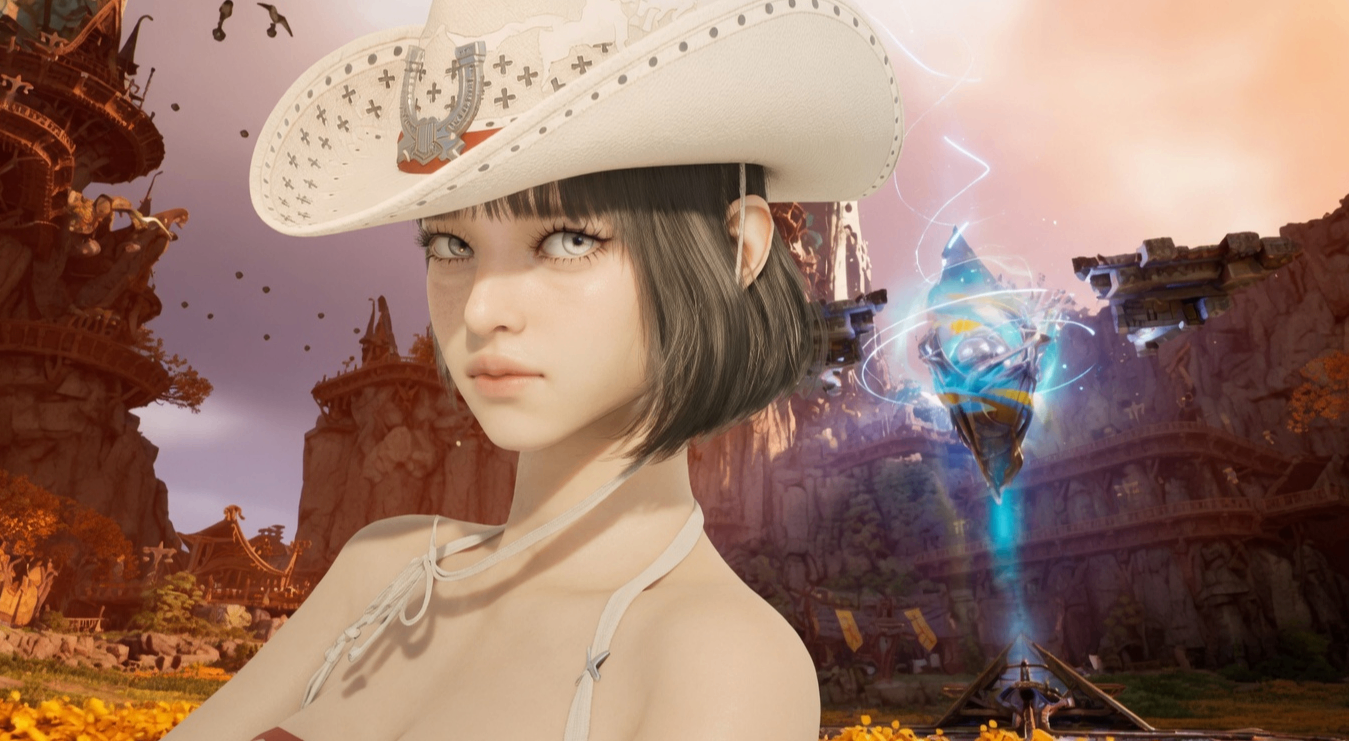
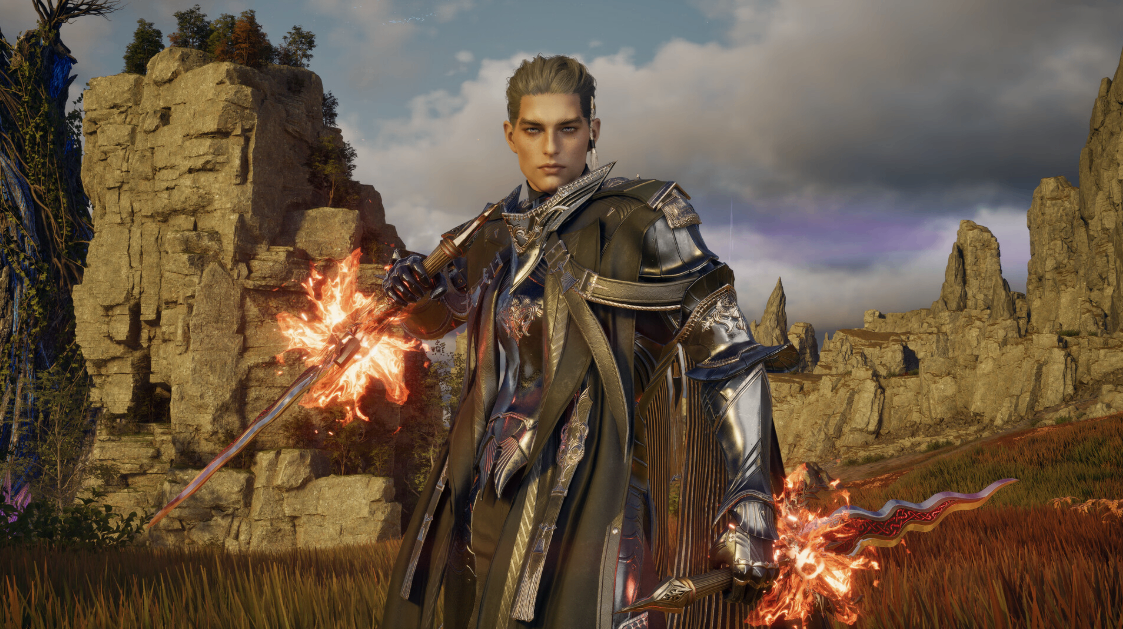
Aion 2 has generated significant discussion among MMORPG fans ahead of its global release. As a free-to-play sequel built on Unreal Engine 5, it expands the original Aion's aerial combat and faction warfare into a much larger open world. One of the most debated topics remains its monetization approach. Many players wonder whether the systems lean too heavily into pay-to-win or remain reasonable compared with other titles in the genre.
This article breaks down the key elements of Aion 2's economy and shop systems. It examines the optional membership, battle passes, cash shop offerings, and the role of in-game currency. The goal is to provide a clear picture so players can decide how the model fits their playstyle.
The Free-to-Play Foundation and Optional Membership
Aion 2 does not require any payment to download, create a character, level up, run dungeons, join PvP, or explore the core world. Players can experience the main systems without spending money. However, an optional $15 monthly membership unlocks several convenience and economy features.
The membership grants access to the player market (the equivalent of an auction house), personal trading, the currency exchange, remote storage, and certain merchants. It also increases Odyle energy capacity and improves reward selection in specific activities. For players who want full participation in the player-driven economy, this membership becomes highly relevant.
Critics note that locking market access behind a fee makes the membership feel less optional for serious players. At the same time, $15 aligns with the price many Western MMOs charge for similar premium features or full subscriptions. The global version simplified an earlier multi-tier Korean membership structure into this single option, which many view as an improvement.
Battle Passes and Progression Rewards
Aion 2 uses Daeva Passes, which function as battle passes. Each pass includes a free track available to all players and a premium track. The free track often rewards Kinah, the primary in-game currency, along with other basic items. Unlocking the basic path is straightforward because regular gameplay generates substantial amounts of Kinah.
The premium track is purchased with Quna, the premium currency. Premium rewards include upgrade materials and progression-related items rather than pure cosmetics. Players who hold the membership can convert Kinah into the currency needed for the premium track through the exchange system. This creates an indirect path where gameplay currency can unlock paid tracks without additional real-money spending.
The design differs from aggressive cash shops that sell large power packages outright. Instead, the passes monetize existing progression activities. Players still advance through normal play, while the premium track accelerates certain material gains.
The Cash Shop Focuses on Appearance
The cash shop centers on cosmetics. Players can purchase outfits, wings, weapon skins, pets, and accessories. These items change appearance only and do not grant permanent power or gear advantages. Some convenience consumables appear in the shop as well, though the developers state these can also be earned through regular gameplay.
This approach stands in contrast to older stereotypes of Korean MMOs that heavily featured direct power purchases, limited-time gear packs, or random boxes tied to progression. Paying for a cosmetic outfit or set of wings does not make a character stronger in combat or PvP. Many players consider this one of the least controversial forms of monetization.
Kinah, the Currency Exchange, and Economy Concerns
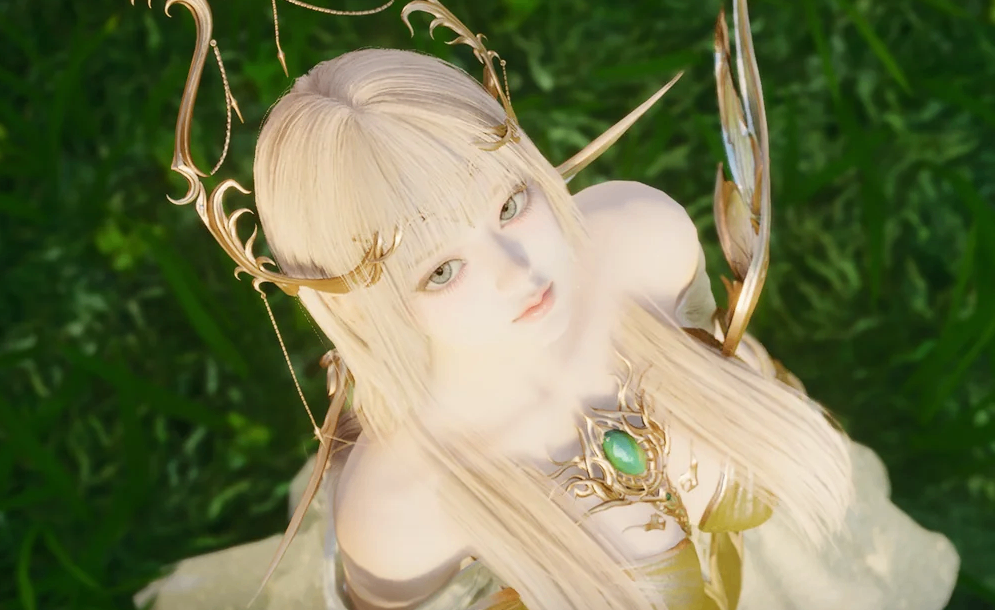
Kinah serves as the standard in-game currency, similar to gold in other MMOs. Players earn it through quests, monster hunting, crafting, and various activities. The currency exchange allows players to trade Quna (premium currency bought with real money) for Kinah, or vice versa, in a player-driven market.
This system introduces a pay-to-win element. Someone willing to spend real money can inject Kinah into the economy and purchase gear, materials, or services from other players more quickly. The exchange does not let players buy top-tier weapons directly from the developer, but it does accelerate access to the player market. Full use of the exchange requires the monthly membership.
Supporters of the model point out that many modern free-to-play and hybrid MMOs allow some form of currency conversion. The difference lies in how openly the systems are presented and how much power they grant. In Aion 2, the core combat and progression loops remain available without spending, while the economy layer rewards both time and money.
Comparing Aion 2 to Other MMOs
Traditional subscription games such as World of Warcraft require payment simply to play. Final Fantasy XIV offers a limited free trial but gates full access behind a subscription. Elder Scrolls Online provides a free base experience with an optional Plus membership that unlocks crafting material storage, free DLC, and other conveniences.
Aion 2 sits somewhere in between. It is free at the entry point, charges a familiar $15 fee for deeper economic participation, and keeps the cash shop mostly cosmetic. The presence of a currency exchange and material rewards in battle passes means money can still influence progression speed. Whether this feels acceptable depends on individual tolerance for hybrid models.
Practical Considerations for New Players
New players should decide early how involved they want to become in the market and trading. Casual players who focus on story, dungeons, and open-world exploration can enjoy the game without the membership. Those who craft, trade, or aim for competitive rankings will likely find the membership worthwhile.
Managing Aion 2 Kinah efficiently remains important regardless of spending habits. Completing daily and weekly activities, selling excess materials, and monitoring market prices help build a solid currency reserve. Players who prefer not to wait can buy Aion 2 Kinah through the official exchange once they have membership access, though this still requires real-money conversion via Quna.
The systems reward consistent play. High-volume Kinah generation from leveling and content means free-track battle pass rewards accumulate naturally. Combining smart gameplay with selective spending on cosmetics keeps the experience enjoyable for different budgets.
Final Thoughts on the Model
Aion 2's monetization is more structured and transparent than many expected from a Korean-developed title. The optional membership consolidates earlier complexity into a single, familiar price point. Battle passes mix free and paid tracks with progression materials. The cash shop emphasizes appearance over power. The currency exchange remains the clearest pathway for real money to affect the economy.
Players who value pure free-to-play equality may still object to market gating and currency conversion. Others will see a workable hybrid that supports the game's development while leaving core content open. Understanding exactly what each system provides helps set realistic expectations before launch.
As the global release approaches, continued monitoring of balance changes, shop updates, and player feedback will reveal how the model performs in practice. For now, the design offers clear choices: play free and accept certain limitations, or invest modestly for fuller economic participation. Either path allows access to the large open world, aerial combat, and faction warfare that define Aion 2.