

Summary
This article covers Star Citizen's sweeping Alpha 4.10 ship combat overhaul in Evocati testing, rebalancing TTK, armor health, shield regeneration and weapon dynamics. Developers adjusted stats to speed up fighter takedowns while buffing large multi-crew ships, tweaking shield ballistic absorption and weapon parity to encourage diverse loadouts. It also notes temporary 4.10.1 test build removal and the new Streamline monthly bundle. Shifting combat meta changes gear demand, so players can buy Star Citizen AUEC to fund optimized ship loadouts and upgrades efficiently.
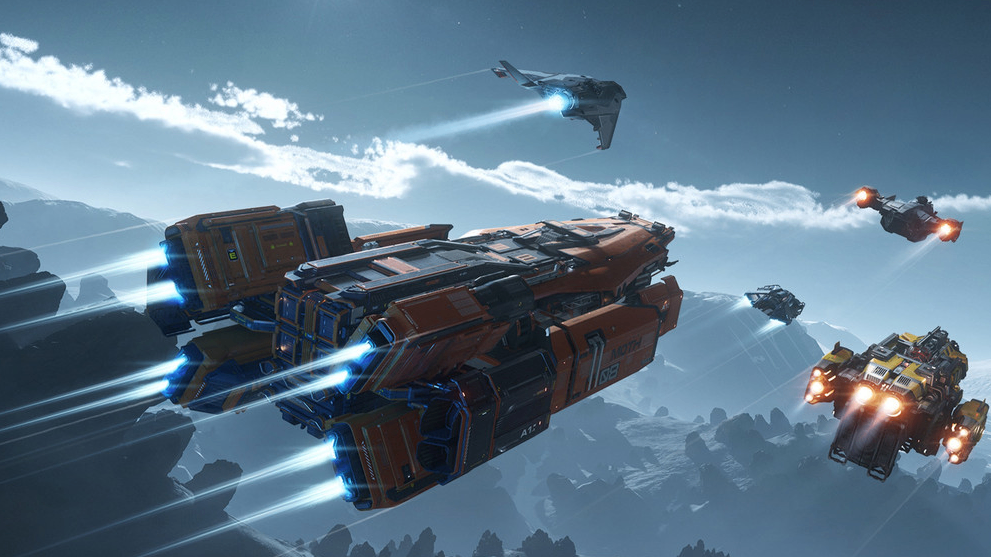
Cloud Imperium Games continues refining Star Citizen's ambitious space simulation with significant updates in the Alpha 4.10 cycle. Recent developments include technical patches, a new monthly store offering, and especially radical changes to ship combat balance currently under evaluation in Evocati testing.
These adjustments aim to reshape dogfights, multi-crew engagements, and the overall feel of ship-to-ship warfare in the Persistent Universe and Arena Commander.
Alpha 4.10.1 Progress and Technical Fixes
Star Citizen Alpha 4.10.1 was temporarily removed from the Public Test Environment. It is expected to return shortly. The patch focuses on resolving issues affecting GeForce and Nvidia graphics cards.
At the time of related discussions, the build sat in a repairs branch. Players anticipate smoother performance once it rolls out more widely. These stability improvements form an important foundation before larger gameplay systems expand further.
September Monthly Store Bundle Arrives
The latest monthly store package, known as the Streamline pack, launched around the second Tuesday of the month. It features a clean white base with bold red accents and metallic silver details.
Contents include Kilgore and Bull Mund heavy armor with a backpack, the Glass & Werner Democo light laser machine gun, and special paint for the RSI Aurora Mark II. The bundle costs $23 and becomes available with Alpha 4.10.1.
Many pilots already own an Aurora Mark II, making the paint and accompanying gear potentially appealing. While $23 matches the price of some indie titles, opinions vary on whether these cosmetic and equipment packages justify the cost.
Major Ship Combat Balance Overhaul Begins
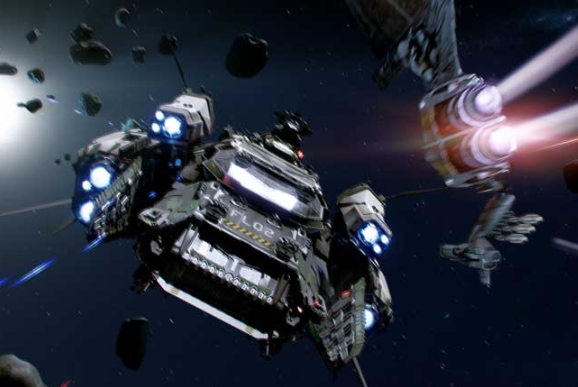
The bulk of recent attention centers on a new Evocati technical preview dedicated to Time to Kill, Time to Destroy, and Time to Disable metrics. Testing occurs across the Persistent Universe and Arena Commander.
CIG thanked participants from the first technical review and shared key findings. Earlier changes successfully lowered kill times for fighters overall. However, boosting direct damage on close-range weapons also shortened the time needed to eliminate large ships-an outcome that ran counter to design goals.
Feedback praised the faster PvE encounters. In PvP, many found the shorter timers too punishing. Fighters could be destroyed in mere seconds, creating frustration. Attempts to equalize ballistic and energy weapons also fell short of expectations, despite looking promising in controlled A/B tests. Issues arose around the concept of projectiles penetrating armor.
Radical Adjustments in the Latest Test
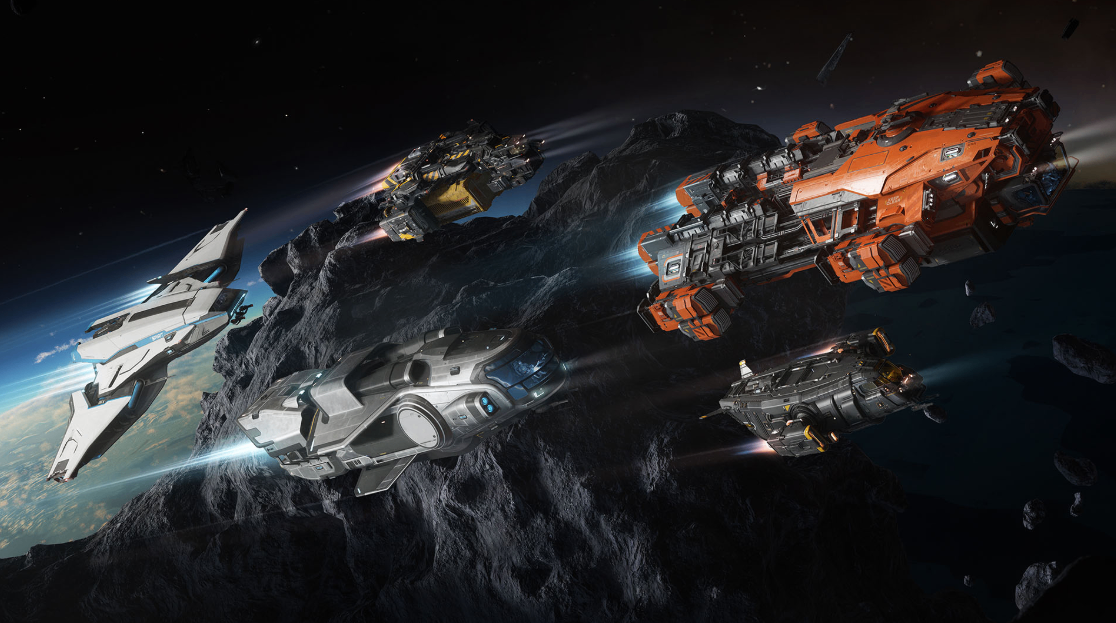
CIG reverted previous modifications and introduced a fresh set of values for the second technical preview. The goal remains clear: reduce kill times for fighter craft while increasing them for multi-crew and larger vessels. Developers also seek a better balance between ballistic and energy weapons.
Specific changes include a 50 percent reduction in armor health across all ships. Small ships see armor health decreased by up to 50 percent, while vessels size five and above receive increases of up to 40 percent. These shifts support the desired differentiation by ship class.
On the defensive systems side, armor generation rates dropped by 50 percent. Shield regeneration delay rose by 100 percent. Shields now absorb between 40 and 80 percent of ballistic projectile damage depending on energy distribution. Energy weapons retain advantages against armor weaknesses and partial armor vulnerabilities.
The theory behind these numbers is straightforward. Longer delays and slower regeneration make shields less frustrating to overcome once they drop. Higher ballistic absorption while shields remain active encourages mixed weapon loadouts rather than pure ballistic spam. Values were deliberately set at extreme levels-often doubling or halving previous figures-to clearly reveal how each variable influences combat dynamics.
CIG does not expect this preview to solve every issue. Instead, the team wants to establish a solid high-level foundation before refining finer details. Future work may explore different balancing approaches tailored more specifically to player-versus-player scenarios once the core framework stabilizes.
Implications for Players and the Economy
These balance experiments carry real consequences for how pilots outfit and fly their ships. Fighters may become more decisive in skirmishes, while larger multi-crew vessels gain breathing room to bring secondary systems and engineering gameplay into play. Mixed weapon configurations could grow more valuable, rewarding thoughtful loadout choices over simple damage-per-second stacking.
In the broader economy, such shifts often influence demand for components, weapons, and repairs. Players frequently need additional funds for upgrades or replacements after intense combat sessions. Managing Star Citizen AUEC effectively becomes more important as the meta evolves and new optimal setups emerge. Some players look for efficient ways to buy Star Citizen AUEC when grinding or trading falls short of covering experimental loadouts during active testing phases.
Community discussion continues to debate the ideal length of engagements. Shorter fighter TTKs can feel exciting and decisive in PvE, yet many prefer more opportunity for skill expression and recovery in pure PvP. The distinction between environmental opponents and player ships remains an open question for future iterations.
Looking Ahead
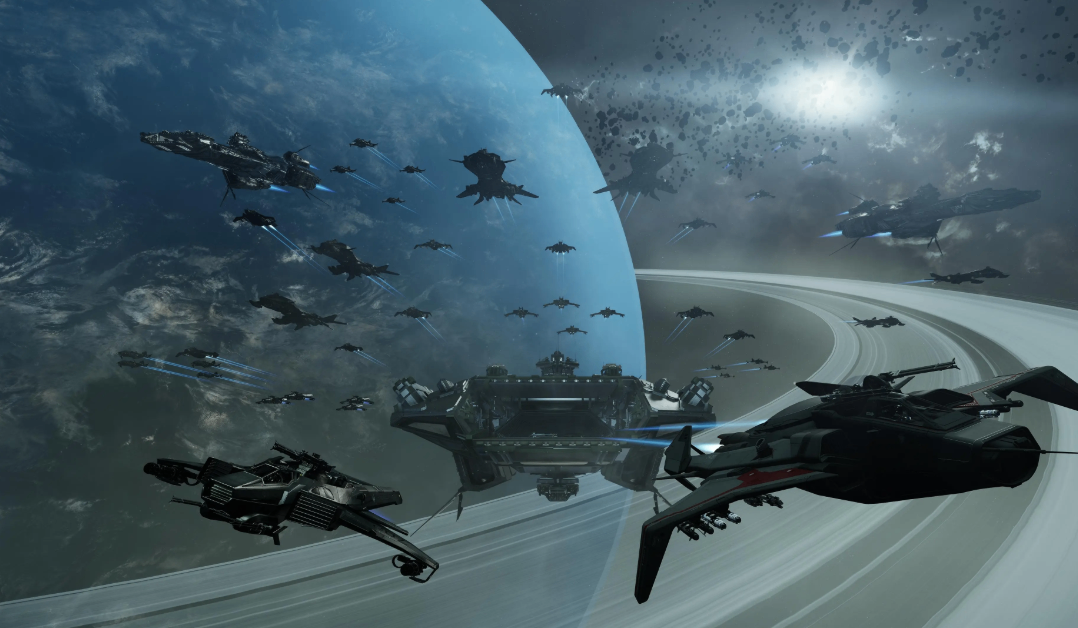
CIG emphasizes that these radical values serve as diagnostic tools. Once the big-picture targets for fighter versus capital-scale combat become clearer, more nuanced tuning will follow. The process reflects the open-development nature of Star Citizen: test boldly, gather data, iterate rapidly.
Alpha 4.10 continues to deliver both polish and ambitious systems work. Between technical stability improvements, the Streamline monthly offering, and these sweeping combat balance experiments, the verse keeps evolving at a noticeable pace.
Players watching the Evocati results will shape the next round of adjustments through their feedback. Whether the final live values settle closer to the current extremes or moderate toward a middle ground, one thing remains certain-ship combat in Star Citizen is headed for meaningful change.