









Even though Grand Theft Auto VI (GTA 6) has not yet been released, early previews, leaks, and developer insights suggest that Rockstar Games is going beyond anything seen in previous entries when it comes to environmental interaction and animation fidelity. One of the most talked-about examples among fans is how motorcycles are portrayed in the game. According to available information, characters in GTA 6 will no longer just grip the handlebars in a static animation. Instead, their fingers appear to actively pull the clutch and engage the brake levers while riding, and these actions are not pre-scripted animations-they happen in real time, reacting naturally to how the player controls the bike.
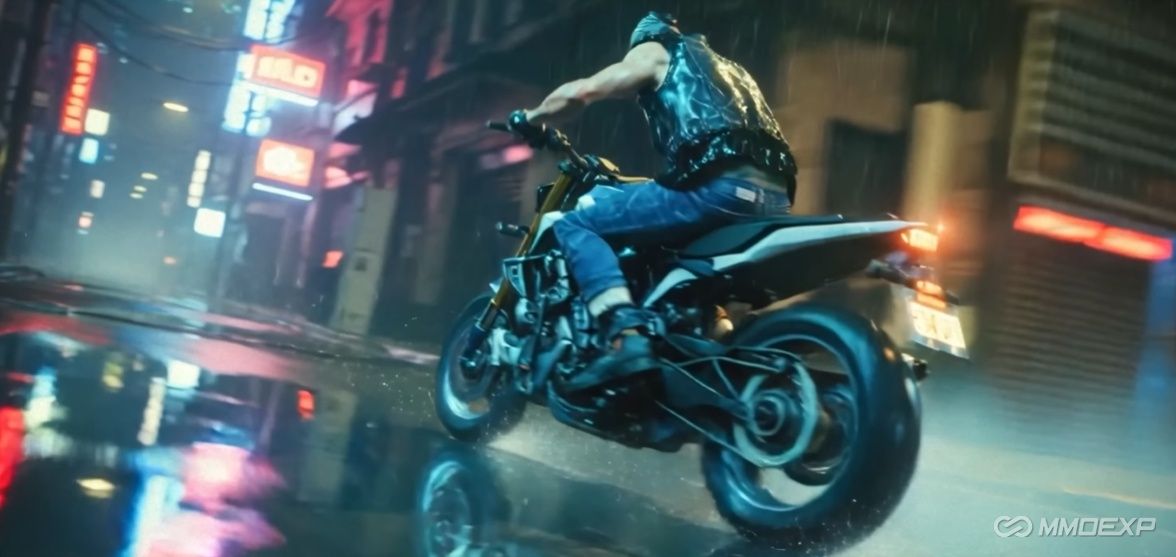
This level of detail might sound subtle, but it has significant implications for immersion and gameplay realism. Rockstar has always been meticulous about player experience and environmental fidelity, and the reported bike mechanics show that the developer is willing to refine even the smallest details to make the world feel alive.
Bikes That Feel Alive
Traditional vehicle animations in open-world games are typically driven by a set of predetermined sequences. In earlier GTA titles, motorcycles were no exception. Characters would hold onto the grips, lean into turns, and lean back during acceleration-but those movements were generally tied to animations that triggered at specific speeds or maneuvers. There was little nuance beyond steering, leaning, and generic throttle or brake motion.
In GTA 6, what people are describing is quite different. Instead of relying solely on scripted sequences, the game appears to employ procedural animation systems, meaning the rider's hands and fingers move dynamically based on real-time input. When the player presses the clutch to change gears, the character's fingers physically wrap around and pull the lever. When braking sharply, the fingers tighten around the brake handle in direct response to that input. These reactions aren't pre-baked into one or two animations-they are generated on the fly in response to what the player is doing.
This creates a far more organic and responsive connection between the player's actions and the character's movements. Rather than watching the bike perform a generic "brake" animation, you see subtle shifts in hand positioning and finger tension that echo real-world motorcycling. The result is a level of fidelity that makes every ride, chase, or stunt feel more grounded.
Realism Without Distraction
Importantly, these enhancements don't seem to get in the way of gameplay. Instead, they complement the experience by adding layers of visual feedback that make the game world feel more convincing rather than cluttered. When a character reacts naturally to player input-gripping the clutch during acceleration, adjusting the brake during sudden stops-it reinforces the sense that the player isn't just controlling an avatar but truly inhabiting a living world.
This level of detail also aligns with other systems Rockstar has reportedly been refining for GTA 6. The studio has a history of taking familiar mechanics-vehicle handling, NPC behavior, environmental interaction-and adding subtle layers of realism that often go unnoticed until they're absent. In this case, the focus on bike animations and control feedback shows that Rockstar is thinking deeply about how even the smallest actions can contribute to immersion.
A New Benchmark for Vehicle Interaction
The implications for gameplay are intriguing. While it remains unclear whether these bike animations affect handling or physics directly, the visual and tactile feedback could influence how players perceive bike control. Seeing a character physically engage with the clutch and brake levers adds a sense of effort and precision to riding, transforming casual cruising into something that feels akin to real motorcycling. This could make high-speed chases, tight cornering, and precision stunts feel more intense and satisfying.
Moreover, the use of real-time, reactive animation suggests that GTA 6 may extend this approach to other vehicles and interactions throughout the game. If bike animations are treated with this much care, it opens the possibility that cars, boats, aircraft, and even pedestrian actions will receive similar dynamic treatment-where characters respond to inputs in physically believable ways rather than relying solely on pre-made sequences.
What This Means for Players
For the player community, these details underscore something many fans have hoped GTA 6 would deliver:meaningful immersion. Rather than simply scaling up the size of the world or the number of activities available, Rockstar appears intent on deepening the quality of interactions within that world. Small animations-like a rider's fingers adjusting a clutch-might seem insignificant in isolation, but they contribute to a much richer, more tactile experience overall.
These enhancements are also a reminder of why the GTA franchise has remained so influential. Each major entry has pushed visual fidelity, world complexity, and interaction depth higher than its predecessor. With GTA 6, Rockstar seems prepared to make small details feel just as important as big spectacle moments.
Rockstar's addition of dynamic, real-time bike animations in Grand Theft Auto VI represents a fascinating evolution in open-world game design. By ensuring that characters interact with motorcycle controls in a way that reflects actual player input, the game bridges the gap between action and animation, making every ride feel more authentic, tactile, and alive. Get reliable GTA 6 Money, GTA 6 Items, and other services from MMOexp to enhance your gaming experience. Whether it's clutch control, braking, or subtle finger movement, these details elevate immersion and hint at the level of polish players can expect when GTA 6 finally arrives.
MMOexp GTA 6 Team