







Building your own Temple in Path of Exile 2 Patch 0.4 can feel overwhelming at first. With so many room types, locks, and branching paths, it's easy to accidentally brick a run or block yourself from placing key chambers. This guide breaks down a consistent method for building a strong, functional Temple layout while minimizing risk and wasted rooms.
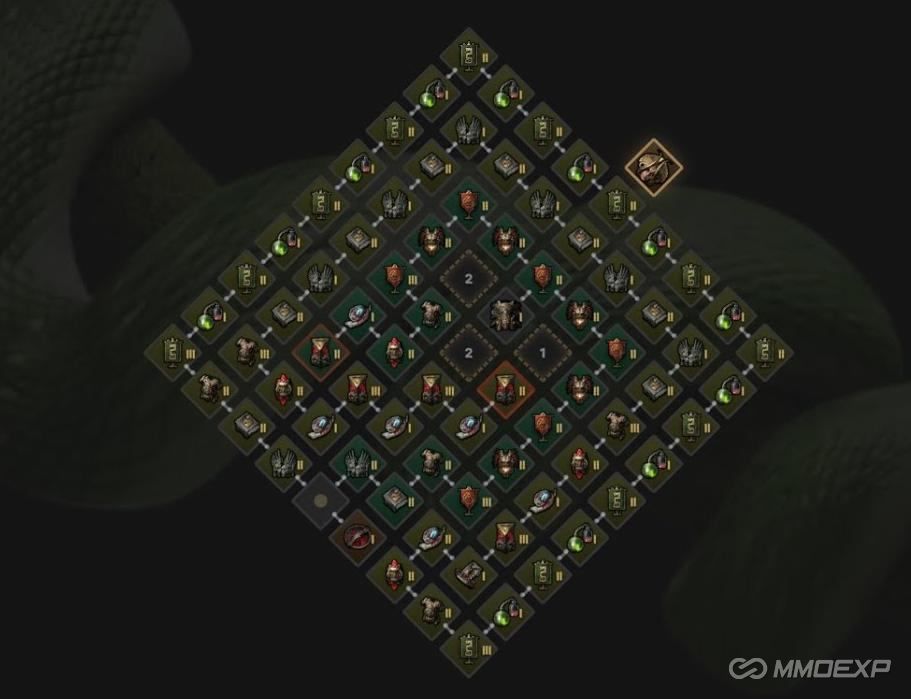
If you follow these steps carefully, you'll end up with a clean structure that supports corruption rooms, bosses, and valuable rewards without breaking your progression.
Core Concept: Controlled Paths and Locked Rooms
The key idea behind Temple building is control. You're not randomly placing rooms, you're guiding the layout so you always have valid placement options. That's where locking becomes important. Locking removes unwanted branches and prevents the system from forcing bad room connections later.
Most of this setup revolves around repeating a few core room types:
Armory / Garrison
Spymaster
Alchemy
Smithy
Golem
Corruption Chamber
Once you understand how these interact, the Temple becomes much easier to manage.
Starting the First Line (Main Neck)
You'll begin by alternating Armory/Garrison and Spymaster rooms. This pattern creates a stable base and keeps your options open.
For the first corner:
Place Spymaster
Then Garrison
Then Armory/Garrison again
Follow with Spymaster
Once this section is set, lock it. Locking here clears unwanted branches and stabilizes the corner. There's technically a 50/50 chance without locking, but locking removes unnecessary risk.
Repeat the same logic for the opposite corner. Consistency is key, don't try to freestyle early.
Introducing Alchemy, Sacrifice, and Corruption
As you move forward, you'll start inserting Alchemy rooms. When you reach this stage:
Place Alchemy
Follow with Sacrifice
Then transition into Corruption
When placing Corruption-related rooms, always lock them immediately. Locking removes conflicting paths and prevents the Temple from generating unusable layouts later.
At this point, you'll rotate through:
Armory
Smithy
Golem
Lock these as needed, especially when you see the game trying to add branches you don't want. If a room blocks your ability to place another critical chamber, remove it first, otherwise, you won't even get the option to place what you need.
Clearing Space to Maintain Options
One of the most important lessons in Temple building is knowing when to remove rooms.
If a room is still active:
You may not be able to place a Golem or Smithy
You may lose Corruption placement options
You may be forced into dead-end paths
Whenever this happens, remove the blocking room first, then proceed with:
Golem
Smithy
Locking both to secure the structure
Repeat this process across the entire first line until the full "neck" is completed.
Completing the First Neck
Once you reach the later stages of the first line:
Place Armory → Alchemy
Add another Alchemy
Insert Corruption Chamber
Lock the Corruption Chambers immediately
You can end up with two Corruption Chambers side by side if done correctly. This is one of the most valuable setups, especially for players farming upgrades or high-value items tied to POE 2 Currency generation.
Locking at this stage will remove extra branches and finalize the first major structure of the Temple.
Building the Second Line (Much Easier)
The second line is significantly simpler.
If you already have the right rooms available:
Place them directly in a straight line
Lock both ends
Avoid branching entirely
This clean line ensures that nothing interferes with your main Temple structure. Compared to the first neck, this part requires much less micromanagement.
Once locked, your Temple layout is essentially complete.
Bosses, Keys, and Safe Interactions
A common concern is whether bosses or keys will break your Temple. The good news: they won't, if handled correctly.
You can:
Place a key room
Lock it
Run the boss
Return without affecting your Temple structure
However, there is one important warning.
If you lock the starting connection, the next time you run the Temple, you must place something to restart the chain. If two locked sections connect incorrectly, you risk breaking your Temple flow entirely.
So, noticed:
Be careful locking entry points
Always confirm your next placement before ending a run
Final Tips for Consistency and Profit
Temple building is all about repetition and discipline. If you:
Lock critical rooms
Remove blockers early
Build in straight, controlled lines
You'll avoid nearly all common mistakes.
A well-built Temple is not only more enjoyable, it's also far more rewarding. Whether you're hunting corruption outcomes, farming bosses, or optimizing for POE 2 Currency, a clean Temple layout saves time and maximizes value.
Once you've done this a few times, the process becomes second nature. Stick to the structure, trust the locks, and your Temple runs will stay smooth every patch.
MMOexp POE 2 Team