
Summary:
PoE 2’s endgame economy can change in seconds when high-value currency, heavily juiced maps, powerful crafting outcomes, and efficient loot filters come together. From unexpected Mirror and Divine drops to valuable crafted gear and POE2 Currency, these strategies can turn a single successful run into an enormous profit.
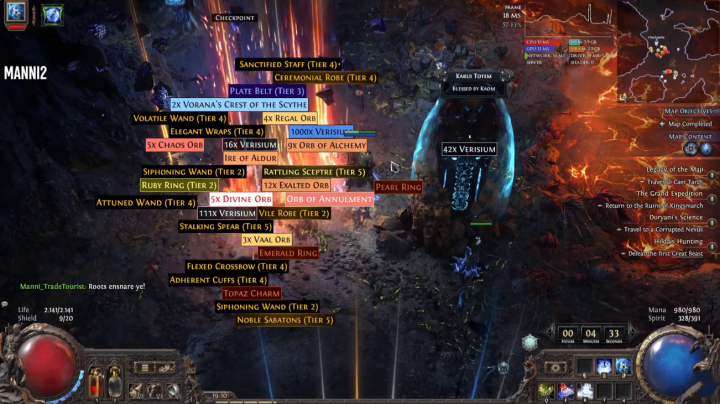
The Excitement of a Mirror Drop in PoE 2
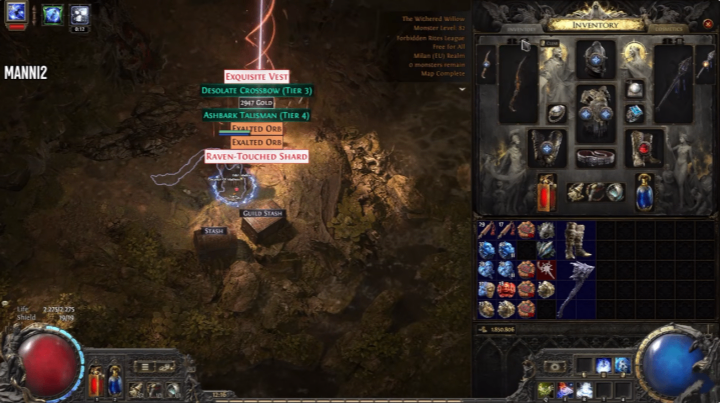
Few moments in Path of Exile 2 are more exciting than seeing a Mirror drop on the ground. For many players, a Mirror of Kalandra represents one of the rarest and most valuable currency drops they can experience during an endgame session.
The excitement becomes even greater when the drop happens unexpectedly. A player can spend hours farming without seeing anything extraordinary, only to suddenly hear the distinctive loot sound and discover a Mirror. For a streamer or dedicated farmer, this kind of moment can completely change the session.
However, Mirror drops should not be treated as a reliable source of income. Their extreme rarity means that consistent PoE 2 farming should focus on repeatable strategies rather than hoping for one jackpot drop.
Why Juiced Maps Can Produce Insane Loot
One of the biggest themes in high-level PoE 2 farming is map juicing. The more effectively a player increases monster density, rewards, and other map modifiers, the greater the potential loot explosion becomes.
At extremely high levels of investment, the amount of loot can become overwhelming. Currency drops, equipment, crafting materials, and other rewards can appear almost simultaneously. This is where optimized builds become extremely important.
A weak character may struggle to survive a heavily juiced map, while a strong endgame build can clear large packs quickly and convert that increased monster density into significant profits.
The key lesson is simple: more juice only matters if your build can efficiently and safely clear it.
Divine Orbs and High-Value Currency
Divine Orbs remain one of the most important forms of high-value currency for players interested in the PoE 2 economy. Finding several Divine Orbs during a farming session can provide a major boost to your budget.
Some farming runs can produce multiple Divines, especially when players combine strong map mechanics with high monster density and optimized loot strategies. These drops can then be reinvested into better gear, more expensive maps, or additional crafting projects.
Instead of immediately spending every Divine Orb, experienced players often treat currency as investment capital. More currency can fund stronger builds, which allow players to run more difficult content and generate even more valuable rewards.
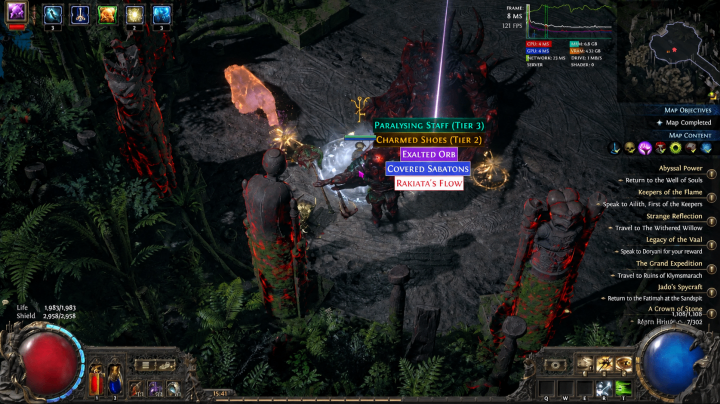
Crafting Can Create Unexpected Wealth
Currency farming is not the only way to make money in PoE 2. Crafting can sometimes produce items worth far more than the materials used to create them.
A seemingly random Chaos Orb craft can suddenly hit several desirable modifiers. For example, an item might roll high-tier resistances combined with another valuable defensive modifier. If the base item is desirable and the resulting affixes are strong, its market value can increase dramatically.
This is why understanding PoE 2 item bases, affixes, modifier tiers, and market demand is so important.
However, crafting is also risky. A player can easily spend a large amount of currency chasing a perfect item without getting the desired result. Successful crafting therefore requires knowledge of both the game mechanics and the current market.
Loot Filters Are Essential for Endgame Farming
When a map becomes heavily juiced, manually checking every item on the ground becomes inefficient. This is where a properly configured PoE 2 loot filter becomes essential.
A good filter removes low-value items from your screen while highlighting currency, valuable bases, rare equipment, and other items worth inspecting. This reduces visual clutter and allows players to focus on the rewards that actually matter.
An especially useful technique is experimenting with different filter configurations for different farming strategies. Instead of using one filter for every activity, players can create versions designed around specific item bases, currency types, or endgame content.
The goal is not simply to hide as much loot as possible. The goal is to make valuable drops immediately recognizable.