






Enchanting is one of the most powerful and versatile professions in WoW: The Burning Crusade Classic Anniversary. While it is also one of the more expensive professions to level, Enchanting offers long-term value through gear enhancements, market demand, and synergy with other professions. Whether you plan to enchant your own gear or generate steady income, mastering Enchanting can be extremely rewarding.
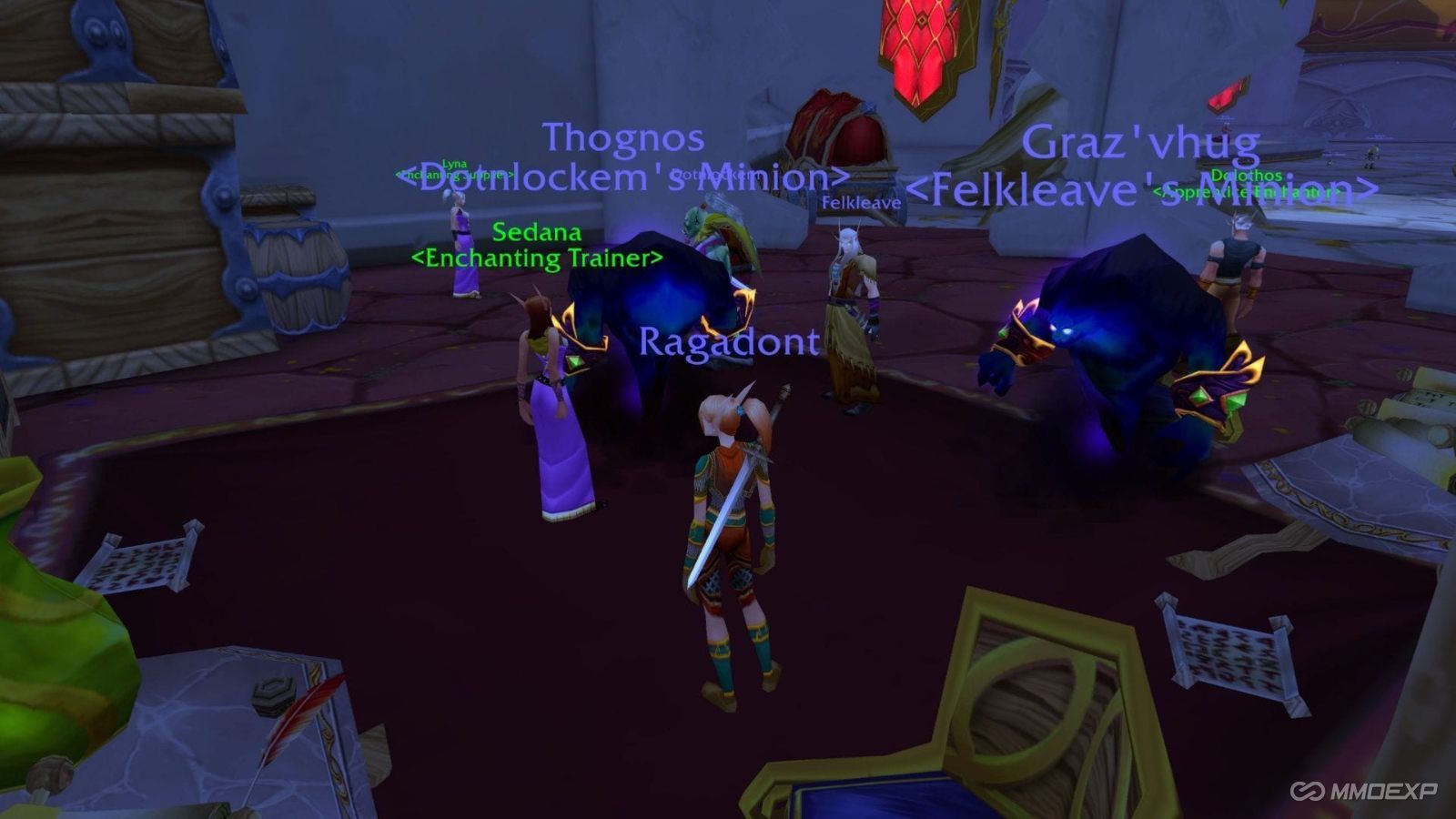
Although any race and class can become an Enchanter, Blood Elves have a distinct advantage thanks to their racial bonus of +10 Enchanting skill. This bonus is not mandatory, but it can save time and materials during the leveling process, particularly in later stages.
Why Choose Enchanting in TBC Classic
Enchanting stands out as a strong secondary profession because it does not require external gathering professions like Mining or Herbalism. Instead, Enchanters acquire materials by disenchanting unwanted gear into dusts, essences, and shards. This makes it an excellent pairing with Tailoring, as Tailors can craft gear specifically to disenchant, creating a self-sustaining loop.
That said, relying solely on disenchanting drops can be extremely time-consuming. Most players find it far more efficient to stockpile gold and purchase materials directly from the Auction House. Having a healthy reserve of WoW TBC Classic Anniversary Gold dramatically reduces the grind and makes leveling Enchanting much smoother.
Trainers and Accessibility
One of the conveniences of TBC Classic Anniversary is that you no longer need to scour the world for Enchanting trainers. Capital cities now provide full training coverage. Alliance and Horde players alike have access to multiple trainers, and some races even have more than one option.
Alliance trainers can be found in Stormwind, Ironforge, Darnassus, Teldrassil, and the Exodar. Horde players can train in Orgrimmar, Undercity, Brill, Thunder Bluff, and Silvermoon City. This accessibility makes Enchanting far easier to maintain as you level.
Apprentice Enchanting (1–50)
When starting Enchanting, one of the most important tips is to avoid buying a Copper Rod from the Auction House. These rods can be purchased far more cheaply from Trade Goods or Enchanting Supply vendors.
The fastest path from 1 to 50 relies on disenchanting green-quality items and crafting low-level enchants. Farming low-level dungeons on a higher-level character or buying cheap greens from the Auction House are both viable options. If Strange Dust is affordable on your server, purchasing it directly can save significant time.
Journeyman Enchanting (50–135)
Once you reach level 10, you can train Journeyman Enchanting. At this stage, efficiency depends heavily on reagent prices. Minor Health, Minor Stamina, and Minor Agility enchants are common choices for steady skill gains.
It is also recommended to pick up a few vendor or Auction House recipes, such as Enchant Bracer – Lesser Strength or Enchant Cloak – Minor Agility. Flexibility is key here, as prices for dusts and essences can fluctuate wildly between servers.
Expert Enchanting (135–225)
The Expert tier introduces more expensive materials like Soul Dust and Vision Dust. This is where Enchanting begins to strain your gold reserves if you are not prepared. Many players adjust their crafting choices depending on which essences or dusts are cheaper at the time.
Rod upgrades are mandatory during this phase, including the Runed Golden Rod and Runed Truesilver Rod. Planning ahead and buying materials in bulk can help reduce costs significantly.
Artisan Enchanting (225–300)
Artisan Enchanting is the most complex part of the Vanilla progression. Several important recipes are world drops or vendor-limited, such as Enchant Bracer – Greater Stamina and Enchant Cloak – Superior Defense. If you can find these on the Auction House, they can greatly speed up leveling.
This stage requires large quantities of Vision Dust, Dream Dust, and Illusion Dust. Choosing between shield enchants, chest enchants, or mana oils depends entirely on what is cheapest on your server. Having enough WoW TBC Classic Anniversary Gold gives you the freedom to pick the most efficient path rather than the slowest one.
Outland Enchanting (300–375)
Once you reach 300 skill, Outland Enchanting becomes available. Trainers can be found in Honor Hold and Thrallmar, making it easy to continue progression immediately.
Outland Enchanting relies heavily on Arcane Dust and Planar Essences. Early levels progress quickly, but costs rise sharply after 330. Blood Elf Enchanters gain a unique advantage here by converting Large Prismatic Shards into smaller ones and back again, effectively gaining up to 10 free skill points.
For non–Blood Elves, Shield and Chest enchants are the most reliable way to progress, though they can become expensive depending on shard prices.
Final Thoughts
Enchanting in WoW TBC Classic Anniversary is a profession that rewards preparation, market awareness, and smart gold management. While it can be leveled entirely through self-farming, most players will find that investing gold saves enormous amounts of time and frustration.
Whether you aim to enchant your own gear, support your guild, or generate income through the Auction House, Enchanting remains one of the most valuable professions in the game. With careful planning and enough WoW TBC Classic Anniversary Gold, reaching 375 Enchanting is not only achievable but highly rewarding.
MMOexp WoW TBC Classic Anniversary Team