









In the rapidly evolving world of Ashes of Creation, one of the most ambitious and anticipated systems is naval combat. From island exploration to pirate-style skirmishes and open-sea raids, the ocean is shaping up to be one of the most dynamic arenas in the game - and at the heart of that experience are ship weapons: the tools that enable combat, strategy, and high-stakes encounters on water.
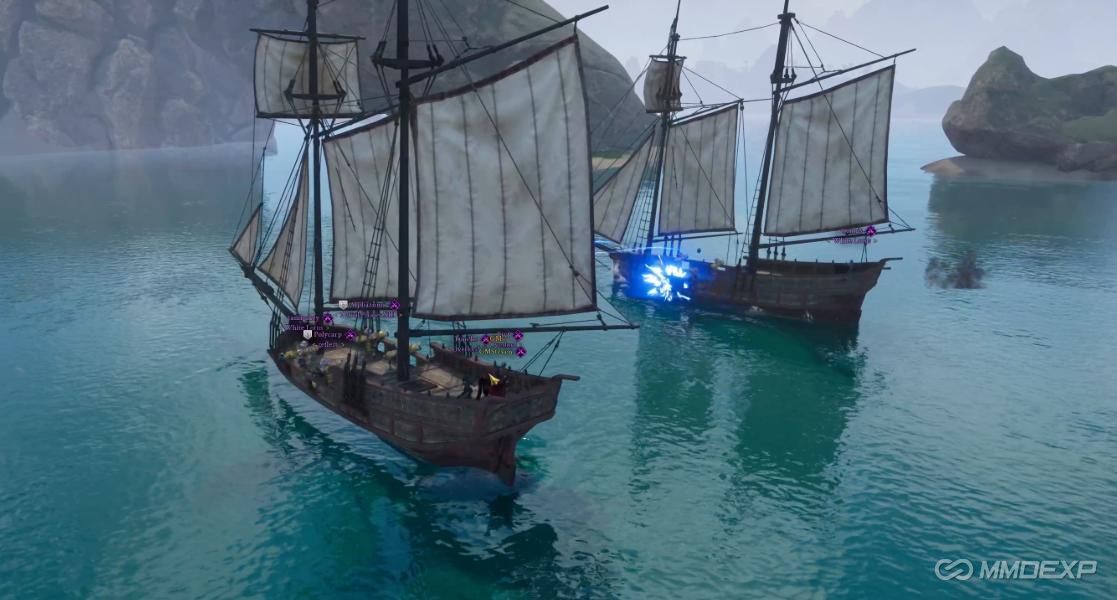
Although Ashes of Creation is still in development and ongoing tests like Alpha Two and PTR patches continue refining the naval systems, enough information has been released - both officially and by the community - to paint a rich picture of how ship weapons are designed to function, how they'll influence both PvP and PvE content, and how they contribute to the overall gameplay experience.
1. The Emergence of Naval Combat in Ashes of Creation
Ashes of Creation has expanded its world to include a larger oceanic zone - the Turquoise Sea - complete with new islands, marine monsters, pocket dungeons, and, most importantly, a fully featured naval system. This system unlocks ships as vehicles for exploration, trade, and combat in both PvP and PvE contexts.
While land interactions in AoC have long included rich node dynamics, caravan warfare, and open-world PvP, the aquatic realm adds a new dimension where ship weapons are a primary expression of player power and strategy. On the water, conflict isn't just about who has the better swords or spells - it's about who can master movement, range, positioning, and firepower at sea.
2. Current Implementations: Potion Launchers and Manual Aiming
The one confirmed ship weapon currently available in Ashes of Creation's Alpha Two testing is the Potion Launcher - a unique ranged weapon attached to ships. Potion launchers fire explosive projectiles with impressive range and power, requiring manual aiming and careful positioning to be effective:
Ships like the Caravel are currently equipped with four Potion Launchers - two on each side (port and starboard) - allowing crews to fire at enemies from broadside positions.
These weapons deal high burst damage with a long range, encouraging tactical movement and coordinated volley fire to maximize effectiveness and control engagements.
Unlike standard RPG combat targeting systems, naval weapons in Ashes require manual aiming where players must lead shots and adjust for distance, movement, and environmental conditions like wind and momentum.
This system brings a level of skill and immersion uncommon in many MMOs. Rather than clicking a button and watching an automated attack resolve, sailors and gunners must focus on trajectory, timing, and teamwork - similar to action-oriented naval titles yet grounded in AoC's broader MMO framework.
3. Broader Weapon Systems: Offensive, Defensive, and Utility Attachments
Beyond the potion launchers present in Alpha, the broader naval design philosophy anticipates a range of ship attachments that expand both the offensive and defensive capabilities of vessels. According to early design outlines and community documentation on naval mechanics, ships will be capable of supporting a variety of attachment types that change how they perform in combat and exploration.
These can be thought of in three broad categories:
Offensive Attachments
Projectile weapons - weapons that launch some form of ranged ammunition at enemies. Potion launchers fall into this category, but future iterations could include variants like magic-infused catapults or siege-type weapons adapted for sea combat.
Harpoons and grappling equipment - enabling ships to slow, pull, or disable enemies to initiate boarding actions or disrupt movement. Such tools can add a layer beyond raw damage, introducing crowd-control effects that influence tactical decisions.
Defensive Attachments
Reinforced hull upgrades and protective barriers that reduce incoming damage and make a ship harder to sink.
Shields or magical auras that protect crew from indirect effects of enemy fire.
Utility Attachments
Tools such as grapple irons, which could assist in securing boarding connections.
Support beacons or flares that provide buffs to allied ships or debuffs to foes.
Salvage gear that helps recover loot from wrecked vessels or defeated monsters.
This attachment system, tied into ship building and crafting professions, is expected to deepen both the strategic and economic layers of naval combat. Players won't just sail into battle - they'll customize their warships for the roles they want to play.
4. PvP at Sea: Ship Weapons in Player vs Player Engagements
Naval PvP is one of the most exciting prospects for Ashes of Creation players. With open sea areas acting as PvP-enabled zones - often with automatic PvP flags and significant risk/reward mechanics - ship weapons become not just tools of survival, but means to control trade lanes, guild territories, and oceanic influence.
In these environments:
Coordinated broadside barrages can determine the outcome of skirmishes, turning the weather and wind into strategic assets.
Positioning and crew roles matter more than raw stats: a skilled navigator can keep optimal firing angles while gunners target weak points on enemy hulls.
Because ship weapons often have facing requirements (e.g., port vs starboard), battles resemble real naval warfare more than typical tab-target melee fights.
Naval PvP isn't just about sinking an enemy - it's about denying them access to resources, trade routes, or strategic chokepoints. Expect confrontations to be highly tactical, with ambushes, retreats, and decisions driven by team coordination and weapon mastery rather than brute force alone.
5. PvE and the Open Sea: Monsters, Raids, and Strategic Combat
Naval ship weapons also play a crucial role outside of player conflict. The oceans of Verra are populated with threats - from roaming pirate NPCs to mythical sea creatures - making PvE on the high seas both dangerous and rewarding.
In PvE scenarios:
Ship weapons act as primary defense against monsters and NPC raiders. Even without another player on the other end, crew members must work together to manage threats and protect valuable cargo or expedition goals.
Ocean raid bosses - massive sea monsters or siege-scale NPC fleets - may require focused fire and smart use of attachments to bring down.
Exploration missions and survival encounters will often hinge on the range and firepower of a vessel's weapons, forcing players to upgrade and adapt their ships for the dangers of the deep.
These conditions ensure that naval PvE isn't a side activity, but a major content pillar where ship weapons define outcomes just as much as player skill and cooperation.
6. The Future of Ship Weapons and Naval Combat
Ongoing development indicates Ashes of Creation intends to expand naval combat beyond potion launchers and basic attachments into a robust and tailored system. As Mariner skill trees and ship building professions evolve, players may unlock new weapon technologies, refine offensive capabilities, and develop specialized roles within a ship's crew.
For example:
Specialized gunners focusing on weapon accuracy and damage.
Engineers or shipwrights enhancing firing arcs or reload speeds.
Tactical officers improving navigation to secure positional advantages in combat.
The oceanic frontier promises to be a space where strategy, teamwork, and customization converge - and ship weapons are right at the nexus of that convergence.
Ashes of Creation's naval warfare - and specifically its ship weapon systems - represent a bold vision for MMOs. Rather than a secondary add-on, they are a core component of the game's strategic ecosystem.
From early weapon systems like potion launchers that demand manual aiming and team coordination, to more complex offensive, defensive, and utility attachments that reshape strategy, ship weapons power every important aspect of PvP and PvE naval content. By effectively utilizing Ashes of Creation Gold and Ashes of Creation Items, and understanding the system's mechanics, you can gain a significant advantage in combat. Whether players are hunting monsters, defending trade routes, or clashing with rival guilds on the open sea, these systems promise dynamic, skill-oriented, and deeply immersive combat experiences unlike almost anything seen in the genre.
MMOexp AoC Team