Weekend Drop -















Ashes of Creation, the highly anticipated MMORPG developed by Intrepid Studios, offers a wide variety of professions, each offering distinct gameplay mechanics and a crucial role within the game's economy. Among these professions is Processing, a key artisan class that involves refining raw materials obtained through gathering or item deconstruction. This branch of the artisan system has deep systems, with players progressing through various stations and refining their processing skills to create goods that are integral to crafting, trading, and the economy at large. This article will provide a detailed overview of the Processing profession in Ashes of Creation, breaking down its mechanics, professions, processing stations, and how the system works within settlements and freeholds.
The Basics of Processing
At its core, Processing is the refinement of raw materials into usable crafting components. These materials are gathered from the world or deconstructed from items that players acquire in Ashes of Creation. This intermediary step between raw materials and crafted goods is essential for several higher-tier professions, including crafting, building, and even trading.
Processing exists within the broader Artisan system of the game, which also includes professions such as Alchemy, Cooking, Animal Husbandry, Lumber Milling, and more. While the other professions focus on specialized craft or resource gathering, Processing focuses on the transformation of these resources into a form that can be further refined, traded, or used in crafting.
Progression and Unlockable Processing Stations
A standout feature of Processing in Ashes of Creation is the station-based progression system. Each processing profession has four distinct processing stations that unlock as players progress. These stations are located in settlements or on player-owned freeholds, with each having its own set of features and requirements for use.
The progression is designed to give players a sense of growth within their chosen profession. As players advance through the ranks of Processing, they unlock increasingly advanced stations, each of which allows them to refine more advanced materials. These stations are a key part of the game's crafting and economic systems, and players will be required to use these stations to refine the raw materials into valuable processed goods.
The Artisan buildings, which are necessary to place these stations, must be constructed on freeholds or settlement plots. These artisan buildings represent the heart of a player's Processing work, and without them, players will not be able to unlock or place the corresponding processing stations.
Processing Professions and Their Stations
Each processing profession in Ashes of Creation has its own unique set of stations and specialties. These professions are designed to complement other artisan roles and contribute to a dynamic and interconnected economy. Below are the processing professions available in the game:
Alchemy: Focuses on the transformation of plants, minerals, and other natural substances into potions, elixirs, and various chemical compounds used in both combat and everyday life.
Animal Husbandry: Involves breeding and caring for animals to produce livestock, pets, and mounts. This profession can also involve refining products such as wool, leather, and hides.
Cooking: The art of preparing food and beverages, using gathered ingredients to create meals that offer buffs, healing, and other beneficial effects to the player and their allies.
Farming: A vital profession for producing crops and other plant-based materials. This can also involve growing ingredients used in cooking, alchemy, and other processing activities.
Lumber Milling: The process of converting raw timber from trees into usable wood for crafting, building, and other industrial needs.
Metalworking: A central profession to the creation of weapons, armor, and tools, it involves smelting ores into metal and forging it into shapes useful for various applications.
Stonemasonry: This profession involves the processing of raw stone materials into refined blocks and other materials used in construction, crafting, and various other in-game systems.
Tanning: The tanning of raw hides and pelts to create leather, which is then used in crafting armor, clothing, and other essential items.
Weaving: The creation of fabrics from fibers gathered from plants, animals, or other materials, which can then be used in crafting clothing, armor, and other textiles.
The Role of Processing Stations
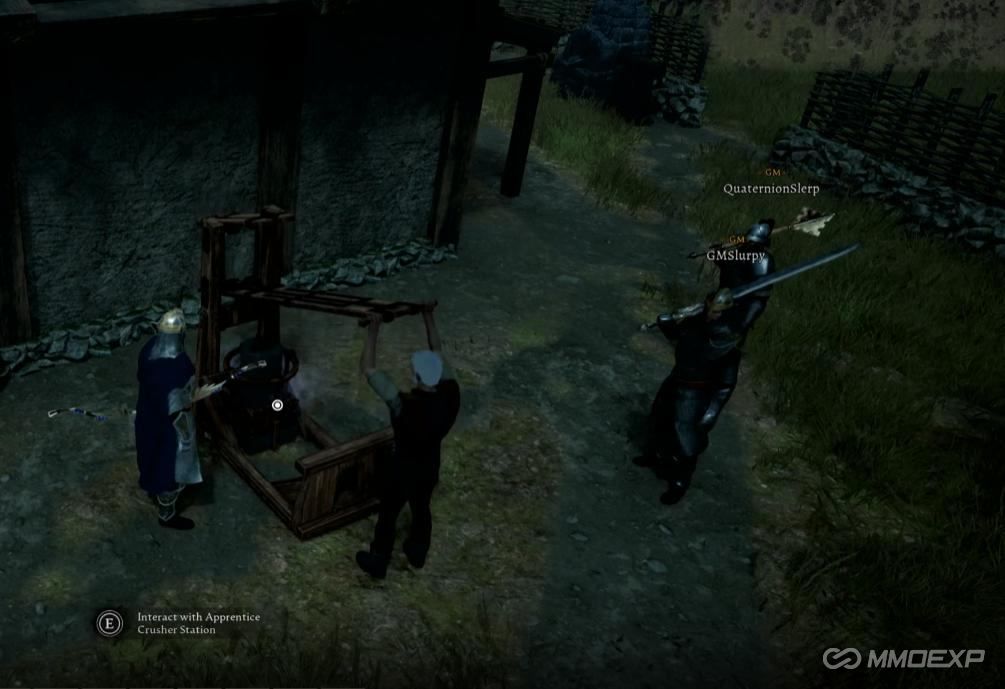
Processing stations are the backbone of the Processing profession. These stations allow players to transform raw materials into processed goods, which can be used for crafting, traded, or sold. The stations are linked to specific professions and vary in their functionality based on the tier of the station.
There are four processing stations in each profession, and they unlock as players progress through the tech tree of their chosen artisan class. Here is a breakdown of how the stations work:
Tier 1 (Basic Processing): The first station available for each profession. It allows players to perform simple tasks like milling basic grains, refining low-quality ores, or tanning basic animal hides. These stations are primarily for entry-level players and provide the foundation for more complex tasks.
Tier 2 (Intermediate Processing): After progressing through the basic tier, players unlock intermediate stations that allow for more refined tasks. These stations will process higher-quality materials and offer a greater variety of products. The processing times and yields increase with this tier.
Tier 3 (Advanced Processing): At this level, players can process even rarer and higher-quality materials. These stations will create valuable goods that are essential for crafting high-end items, which are necessary for the more advanced gameplay mechanics in Ashes of Creation.
Tier 4 (Master Processing): The highest tier of processing stations. These allow players to refine the rarest and most valuable materials into the finest products. These stations can only be placed on a freehold, and their use is restricted to high-level players with significant investment in their Processing profession.
Processing Stations in Settlements vs. Freeholds
One of the key features of Ashes of Creation is the distinction between processing stations placed in settlements and those placed on player-owned freeholds. Settlements are community-based areas where players can come together to build, trade, and share resources, while freeholds are private properties owned by individual players.
Processing Stations in Settlements: These stations can be used by any player in the settlement and are available for Processing up to the Journeyman level. In these stations, processing jobs are queued up sequentially for each player, but they can be processed concurrently with others' jobs. This means that while players share the same space, they work independently on their processing tasks.
Processing Stations on Freeholds: Freeholds provide a much greater level of autonomy, as players can set up their own processing stations on their land. Processing on freeholds can be carried out at the highest levels, including Master and Grandmaster processing. These stations require significant resources to build and maintain but allow players to refine materials at the highest possible efficiency. Processing jobs are handled in a shared queue on freeholds, so all players with access to the freehold can see and interact with the processing stations.
Fuel, Time, and the Processing Experience
Processing in Ashes of Creation is not an instantaneous task. It requires time, preparation, and fuel to refine materials. Each processing recipe will specify the type and quantity of fuel needed, and players can mix and match different fuels to fulfill the requirements.
The processing time itself varies depending on the quality of the crafting materials involved. Higher-tier materials will take more time to process, and the complexity of the task will impact both the time and fuel requirements. Additionally, the Processing profession has a time-related component that can influence the pace at which goods are introduced into the economy.
Interactions and Queueing
Processing stations also feature a queue system, where players can line up their jobs to be processed. On freeholds, all jobs are processed sequentially for all players, while in settlements, processing jobs are queued individually per player but can be processed concurrently. This system ensures that the flow of materials remains consistent and organized.
In some instances, players will need to interact with processing stations, actively participating in the refining process. This interaction helps throttle the pace at which raw materials enter the economy, preventing an oversupply of processed goods and maintaining the game's economic balance.
The Processing system in Ashes of Creation provides depth, flexibility, and a meaningful role within the game's economy. It is a crucial element of the game's artisan class system, offering players the chance to refine raw materials into valuable goods, which can then be used in crafting, traded, or sold. Get more Ashes of Creation gold and other Ashes of Creation items! The use of processing stations, progression through various tiers, and the importance of both freeholds and settlements all work together to create an engaging and dynamic experience for players. As players move through the ranks of Processing, they become integral to the world of Ashes of Creation, supporting the crafting and trade systems that sustain the player-driven economy.
MMOexp AoC Team