




In the ever-evolving landscape of modern gaming, few trends have captured the imagination of players quite like the open-world format. Open-world games offer players unparalleled freedom, immersion, and the sense of agency that linear titles often lack. Among the titles embracing this approach, Chrono Odyssey stands out as a game that not only leverages the open-world design but redefines what it means for narrative, exploration, and player engagement. Understanding the importance of open-world design in Chrono Odyssey requires a deep dive into its mechanics, storytelling, and the broader implications for the gaming industry.
The Essence of Open World in Gaming
Before examining Chrono Odyssey specifically, it's crucial to understand what the open-world concept entails. Traditionally, video games followed a linear progression: players moved from one level or mission to the next in a prescribed order. Open-world games, by contrast, break these constraints, creating vast, interconnected landscapes where players decide how, when, and where to engage with the content. This design philosophy emphasizes exploration, emergent gameplay, and player-driven narratives.
Open-world games have evolved from their early iterations in titles like The Elder Scrolls series and Grand Theft Auto to more sophisticated experiences where the world itself reacts to the player. Chrono Odyssey follows this lineage but adds a distinct twist by integrating its unique temporal mechanics, creating a world that is dynamic not just spatially but chronologically.
Chrono Odyssey's Open World: A Living, Breathing Universe
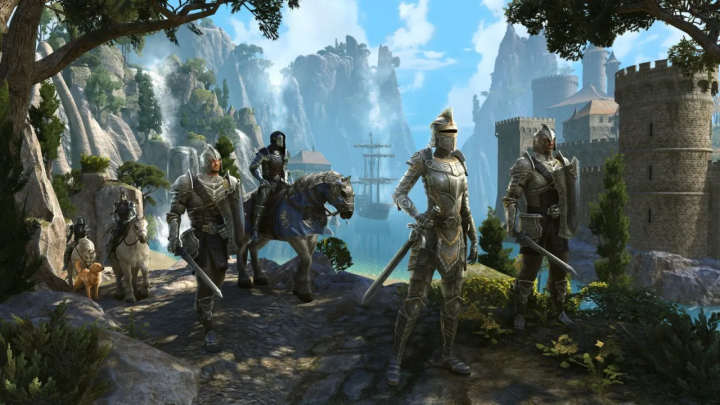
At the core of Chrono Odyssey lies its expansive world, meticulously crafted to be both beautiful and functional. Unlike linear RPGs, where the environment often serves merely as a backdrop, Chrono Odyssey treats the world as a central character in its own right. Every forest, village, and ruin is designed with intent, offering secrets, quests, and interactive elements that reward curiosity.
The game's open-world nature encourages players to deviate from the main storyline. Players can stumble upon hidden dungeons, unique NPCs, or rare resources that enrich their gameplay experience. This freedom fosters a sense of discovery and personal ownership over the adventure, making each player's journey distinct. The sheer scale of Chrono Odyssey's world demonstrates how open-world design can transform a game from a scripted narrative into an emergent experience shaped by the player.
Temporal Mechanics and Open-World Synergy
What truly sets Chrono Odyssey apart from other open-world games is its innovative use of temporal mechanics. Time in the game is not merely a passive background element; it actively shapes the environment and gameplay. Seasons change dynamically, weather patterns influence exploration and combat, and events in one timeline can ripple across others. This temporal depth adds a layer of complexity that enhances the open-world experience.
For example, a village under siege in the past might have lasting consequences in the present, altering NPC behavior, available quests, or environmental hazards. Players must navigate not just the physical world but also its chronological dimensions, making every decision consequential. This temporal interplay exemplifies how open-world design can be married with other gameplay systems to create a richer, more immersive experience.
Freedom and Player Agency
One of the fundamental appeals of open-world games is the sense of freedom they afford. Chrono Odyssey embraces this principle fully, allowing players to approach challenges in multiple ways. Combat, exploration, and quest completion are not rigidly structured; players can choose stealth, diplomacy, or brute force depending on their playstyle. This flexibility ensures that the game accommodates a wide range of player preferences and promotes experimentation.
Furthermore, the open world amplifies the narrative impact of player choices. Decisions made in one region can have cascading effects across the map, leading to branching storylines and multiple endings. This interconnectivity between world design and narrative underscores why open-world games like Chrono Odyssey can create deeply personalized experiences that resonate long after the game is finished.
Environmental Storytelling
Beyond gameplay mechanics, open-world design in Chrono Odyssey excels as a vehicle for storytelling. Unlike linear games, where exposition is often delivered through dialogue or cutscenes, open-world games allow players to uncover stories organically. Abandoned settlements, battlefield remnants, and scattered journals convey history and lore, rewarding players who engage with the environment.
Environmental storytelling is particularly effective in Chrono Odyssey due to its temporal mechanics. Players can witness the rise and fall of civilizations, natural disasters, and historical events firsthand, which imbues the world with a sense of realism and continuity. This approach not only enhances immersion but also strengthens the emotional resonance of the player's journey.
Exploration as Reward
Exploration is the lifeblood of open-world games, and Chrono Odyssey ensures that every corner of its world feels worthwhile. The game employs a carefully balanced mix of visible and hidden rewards. While landmarks and villages draw players'attention, secret areas, rare resources, and hidden quests incentivize thorough exploration. This design philosophy turns the act of exploring into a reward in itself, fostering engagement and satisfaction.
Moreover, Chrono Odyssey uses environmental cues and dynamic events to guide exploration subtly. Players may see smoke rising in the distance or hear rumors from NPCs, prompting curiosity and encouraging organic discovery. This reinforces the idea that the world is alive and responsive, a hallmark of effective open-world design.
Community and Multiplayer Implications
While Chrono Odyssey is primarily celebrated for its single-player depth, its open-world design also opens possibilities for multiplayer interactions. Shared open worlds allow players to encounter one another organically, creating emergent social experiences. Cooperative exploration, competitive challenges, and collaborative questing become more meaningful when embedded in a living, dynamic environment.
The significance of open-world multiplayer extends beyond gameplay mechanics; it fosters community. Players share stories of their unique experiences, strategies, and discoveries, enhancing engagement and longevity. Chrono Odyssey's open-world approach thus not only serves individual players but also strengthens the social fabric of its community.
Industry Perspective: Why Open World Matters
The success of Chrono Odyssey underscores a broader trend in the gaming industry: the growing importance of open-world design. Developers are increasingly prioritizing player agency, exploration, and environmental storytelling because these elements enhance immersion and player retention. Open-world games tend to generate more sustained engagement than linear titles, as players are drawn back repeatedly to explore new content or revisit familiar areas with fresh objectives.
Additionally, open-world design encourages innovation. By crafting complex, interconnected systems-such as Chrono Odyssey's temporal mechanics-developers can push the boundaries of what games can achieve in terms of interactivity, narrative depth, and emotional impact. This experimental potential ensures that open-world games remain a fertile ground for creativity and evolution within the medium.
Challenges of Open-World Design
Despite its many advantages, open-world design is not without challenges. Creating a seamless, engaging world requires immense resources, careful planning, and attention to detail. Developers must balance freedom with structure, ensuring that the world feels alive without overwhelming or confusing players. In Chrono Odyssey, this balance is achieved through smart quest design, intuitive navigation tools, and environmental storytelling that naturally guides players without restricting their choices.
Performance optimization is another critical consideration. Large open worlds can strain hardware, requiring sophisticated streaming systems, AI management, and rendering techniques to maintain smooth gameplay. Chrono Odyssey demonstrates that with careful design, it is possible to deliver a vast, rich world without compromising performance or immersion.
The Open World as a Narrative and Gameplay Catalyst
Chrono Odyssey exemplifies the transformative potential of open-world design in modern gaming. Its expansive, dynamic environments offer freedom, discovery, and player-driven storytelling that traditional linear games often cannot match. By integrating temporal mechanics, environmental storytelling, and emergent gameplay, the game creates a living world where players'actions have meaningful consequences.
The importance of open-world design in Chrono Odyssey extends beyond mere aesthetics or scale. It enhances narrative depth, encourages exploration, fosters community, and pushes the boundaries of interactive storytelling. As the gaming industry continues to evolve, Chrono Odyssey serves as a powerful reminder that open worlds are not just a feature-they are a philosophy, a way of creating experiences that resonate deeply and persist in players'memories long after the screen goes dark.
In essence, the open world is more than a setting in Chrono Odyssey-it is the heart of the game itself, a testament to the power of freedom, exploration, and immersive storytelling in shaping the future of interactive entertainment. This allows players to explore a wider range of time, acquire more Chrono Odyssey Gold and items, and enjoy more fun. For players and developers alike, it represents a benchmark for what games can aspire to be: vast, dynamic, and profoundly engaging worlds that invite players to leave their mark on time itself.
MMOexp Chrono Odyssey Team