









Diamond Dynasty has long been considered one of the deepest and most rewarding card-collecting modes in sports gaming. MLB The Show 25 continued that tradition with an experience compelling enough to keep players engaged throughout the entire annual cycle. However, an extended period with any live-service mode inevitably highlights its shortcomings, and fans have spent months discussing what needs to change as MLB The Show 26 approaches.
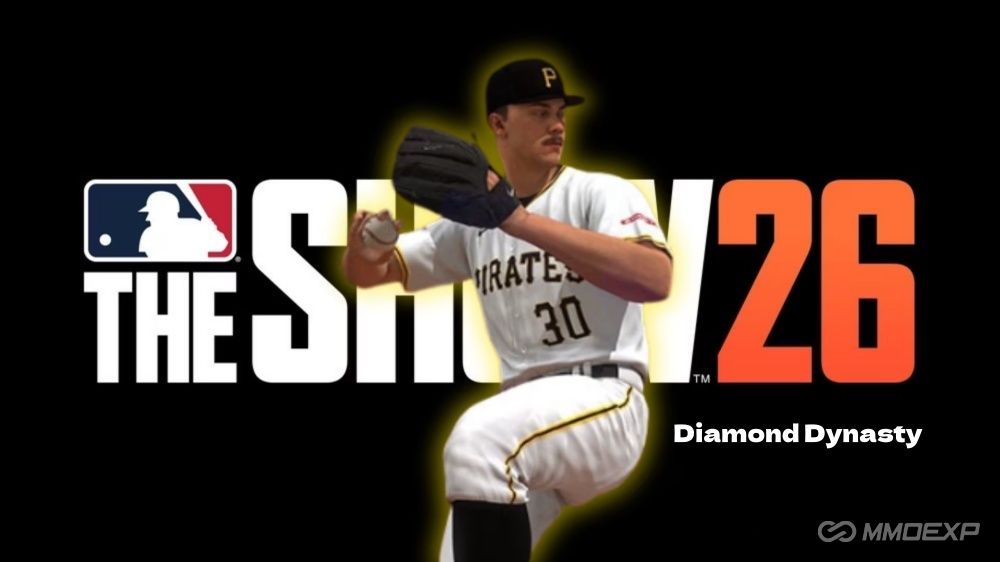
While power creep remains the biggest issue at the forefront of community conversation, there are several structural and progression-related problems that only become clear after extended play. To ensure Diamond Dynasty evolves in a meaningful way, MLB The Show 26 must address the following core areas.
Overhaul Team Affinity
Team Affinity was designed to incentivize themed squad-building by rewarding players for using specific MLB team cards. In theory, it strengthens league representation and helps players find value in a wide variety of lineups. In practice, the system faced multiple problems in MLB The Show 25—many of which stem from how rigid and outdated the content becomes over time.
The biggest frustration lies with pre-locked lineups. These predetermined rosters are established roughly a month before real-time updates, which traps players into grinding cards that may become obsolete almost immediately. Chapters within the program are long enough on their own, but the situation becomes even worse when swapping out an outdated player resets progress—sometimes entirely. Even dedicated grinders feel punished for upgrading their squad, which defeats the purpose of a content-rich mode.
MLB The Show 26 can fix the experience with several targeted adjustments:
• Monthly Affinity resets to keep content fresh and relevant.
• Wildcard slots that allow upgraded or new cards to replace older ones without erasing progression.
• Performance-scaling boosts that reward players for excelling with Affinity-linked cards instead of forcing static grinds.
• Affinity-specific events to keep the grind dynamic and engaging across the year.
A flexible, modern Team Affinity design would dramatically improve long-term satisfaction and remove the sense of being locked into outdated content.
Cut the Offline Grind and Supercharge Online Rewards
Players with limited time face steep disadvantages under the current Diamond Dynasty structure. While MLB The Show 25 offers plenty of content, its reward systems are inconsistent and often fail to justify the time investment—especially for those unable or unwilling to buy MLB The Show stubs.
Offline modes are the biggest pain point. Conquest maps, Mini Seasons, and other single-player activities may require 50 or more games just to unlock one viable diamond card. For time-constrained players, this is an unreasonable barrier to competitive play.
Meanwhile, online progression feels too slow to keep pace with the rest of the ecosystem, which creates a strange and often frustrating gap between no-money players and those who fund their progress through pack purchases.
MLB The Show 26 can strike a better balance by:
• Reducing offline game volume requirements for meaningful rewards.
• Increasing reward frequency and card quality in online modes, especially Ranked and Events.
• Prioritizing win-based progression instead of grinding dozens of total games.
• Better aligning free-to-play progression with the value of premium purchases so that competitiveness hinges on skill rather than wallet size.
A more equitable progression model would increase player retention and create a healthier competitive environment across the board.
Stability and Balance Improvements
Even the strongest content structure cannot make up for poor technical performance. MLB The Show 25 faced pervasive stability issues that frequently undermined Diamond Dynasty’s fast-paced gameplay loop. Widespread complaints included disconnects, mid-game freezes, and persistent “DD not loading” errors. Occasional glitches are expected in any live-service environment, but the real frustration came from slow hotfix deployment—often arriving weeks after issues surfaced.
MLB The Show 26 must prioritize:
• Faster patch cycles, especially for game-breaking errors.
• Improved server infrastructure to reduce disconnects and login failures.
• Overall netcode enhancements to smooth out online play.
Beyond stability, balance problems also affected the gameplay experience. Overpowered 99-rated cards released early in the year created a lopsided meta. Meanwhile, inconsistent hitting logic—such as perfect inputs yielding weak contact and late swings generating home runs—undermined trust in the game’s core systems.
To rebuild confidence, MLB The Show 26 needs:
• A controlled power curve with lower-rated early cards to preserve meaningful progression.
• More predictable input-to-outcome consistency, especially for perfect swings.
• Meta adjustments throughout the year that address overly dominant cards or mechanics before they warp gameplay.
Consistency and fairness are crucial for any competitive mode, and these changes would go a long way toward restoring balance.
Final Thoughts
Diamond Dynasty remains one of the strongest sports game modes in the industry, but after a long and content-heavy MLB The Show 25 cycle, its weaknesses have become clear. MLB The Show 26 now has a significant opportunity to modernize the experience—reducing outdated grinds, increasing meaningful rewards, stabilizing performance, and restoring a healthy gameplay balance.
If San Diego Studio can address these core concerns, Diamond Dynasty could deliver its most cohesive and compelling iteration yet. For veteran players and newcomers alike, that evolution is long overdue.
MMOexp MLB 26 Team