







In a game defined by precision, timing, and mechanical mastery, there's something deeply chaotic—and incredibly fun—about throwing all conventional wisdom out the window and building a team around one singular philosophy: speed. In MLB The Show 26, where roster construction often leans toward power hitters and elite pitching, assembling the fastest possible lineup becomes both a strategic experiment and a test of adaptability.
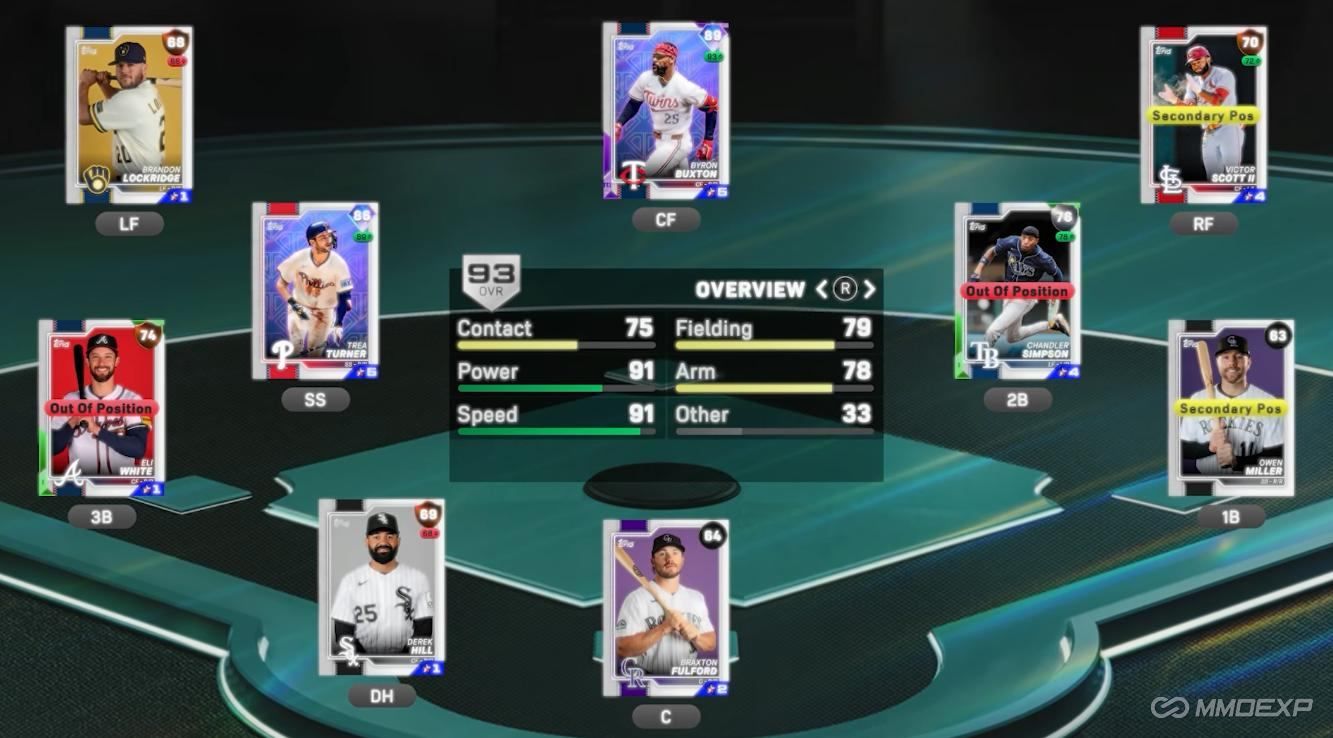
This isn't just about stealing bases. It's about redefining how offense works, how pressure builds, and how opponents react when every single player on the field is a threat to turn a routine play into a disaster.
The Philosophy: Chaos Through Speed
Most Diamond Dynasty teams are built with balance in mind—contact hitters, power bats, defensive specialists, and a solid bullpen. But this approach flips that entirely. The goal is simple: put the fastest players possible at every position, even if it means sacrificing overall rating, power, or defensive consistency.
Speed in MLB The Show 26 does more than just help with stolen bases. It impacts:
Infield hit probability
First-step acceleration on defense
Range in the outfield
Pressure on pitchers during every at-bat
When every player on your team has elite speed, the game changes. Routine grounders become close plays. Weak contact can turn into base hits. And pitchers are constantly forced to divide their attention between the batter and the baserunner.
Constructing the Lineup: Speed Over Everything
Creating this kind of team requires compromise. Some positions—like catcher and first base—aren't exactly known for speed. But if you want the concept to work, you still need players who can at least function in those roles.
Catcher: Braxton Fulford
Catcher is typically a defensive and arm-strength position, but here, speed takes priority. Braxton Fulford emerges as one of the fastest viable options behind the plate. While he may not offer elite hitting or defensive stats, his speed alone makes him a unique weapon.
Having a catcher who can leg out infield hits or take an extra base changes the dynamic entirely. Opponents don't expect speed from this position—and that unpredictability matters.
First Base: Owen Miller
First base is another traditionally slow position, but Owen Miller breaks the mold. Despite being a low overall player, his speed makes him a perfect fit for this experiment.
Using a common-tier player at first base might seem like a liability, but in this system, speed is the equalizer. Miller can beat out plays that most first basemen wouldn't even attempt.
Middle Infield: Chandler Simpson & Trea Turner
At second base, Chandler Simpson brings elite speed and stealing ability. His defensive limitations are a concern, but the offensive upside in this system outweighs the risks. The goal isn't perfection—it's pressure.
At shortstop, Trea Turner provides a rare blend of speed and reliability. Unlike many players in this lineup, Turner can actually deliver consistent defense and hitting. He's the stabilizer in an otherwise chaotic roster.
Third Base: Eli White – The Unexpected Hero
Eli White might not be a conventional third baseman, but in this setup, he becomes something more: the centerpiece.
After investing in upgrades (parallel progression), White transforms into a legitimate contributor. In fact, he often ends up carrying the team offensively. His swing feels smooth, his speed is elite, and in clutch moments, he delivers.
In a lineup full of role players, Eli White becomes the protagonist.
The Outfield: Covering Ground at All Costs
Speed truly shines in the outfield, where range can make or break a defense.
Left Field: Brandon Lockridge
Lockridge offers strong speed and respectable fielding. He may not be a household name, but he fits the theme perfectly—fast, agile, and capable of turning defense into offense.
Center Field: Byron Buxton
Every speed team needs a superstar, and Byron Buxton fills that role. He's one of the few players who combines elite speed with high-level fielding and solid hitting.
Buxton isn't just a piece of the puzzle—he's a game-changer. Whether it's tracking down deep fly balls or creating offense out of nothing, he's the player you trust when things get chaotic.
Right Field: Victor Scott II
Victor Scott II brings incredible speed and strong defensive attributes. While some of his ratings may seem inconsistent, his ability to cover ground makes him invaluable.
With this outfield, very few balls should drop. And if they do, it won't be for lack of effort.
Designated Hitter: Derek Hill
Derek Hill is a pure specialist. His hitting stats might not impress, but his speed ensures he still contributes. In this lineup, even a weakly hit ball can turn into a base hit if the runner is fast enough.
Gameplay Strategy: Winning Without Power
Once the team is assembled, the real challenge begins: how do you actually win games with this roster?
1. Manufacturing Runs
Home runs are rare with this team. Instead, offense is built through:
Bloop singles
Infield hits
Aggressive baserunning
Defensive pressure
You're not trying to outslug your opponent—you're trying to outmaneuver them.
2. Stealing Bases (or Trying To)
In theory, a team full of 90+ speed players should dominate on the basepaths. In practice, stealing in MLB The Show 26 can feel inconsistent.
Even with perfect timing, runners can get thrown out. Leads, pitcher animations, and online latency all play a role. Sometimes it feels less like skill and more like luck.
Still, the threat of stealing is just as important as the act itself. It forces pitchers to:
Throw more fastballs
Rush their delivery
Make mistakes
3. Psychological Warfare
This is where the speed team truly shines. When every player is a steal threat, opponents become paranoid. They throw over to first constantly. They rush pitches. They make errors.
Even if you're not stealing, the possibility creates pressure.
The Downsides: When Chaos Backfires
Of course, this strategy isn't without its flaws.
Defensive Risks
Playing players out of position or relying on low-rated fielders can lead to costly mistakes. A single error can undo multiple innings of careful play.
Weak Hitting
Many players in this lineup lack power and consistent contact. If you're not getting lucky with bloop hits or infield singles, scoring can become extremely difficult.
Pitching Challenges
Speed doesn't help on the mound. If your opponent has a strong lineup, you may find yourself in high-scoring games where every mistake is punished.
The Experience: Frustration Meets Fun
What makes this approach so compelling isn't just the strategy—it's the experience.
There are moments of pure frustration:
Perfect hits turning into outs
Stolen base attempts failing repeatedly
Opponents seemingly succeeding with ease
But then there are moments of brilliance:
A weak grounder turning into a base hit
A perfectly timed steal
A clutch hit from an unexpected player
And when it all comes together, it feels incredibly satisfying.
Eli White: The Breakout Star
Every experiment needs a standout performer, and in this case, it's Eli White.
Time and time again, he delivers in key moments. Whether it's a clutch hit, a stolen base, or a defensive play, he becomes the heart of the team.
It's a reminder that in MLB The Show 26, ratings don't tell the whole story. Sometimes, it's about feel, timing, and confidence.
Final Thoughts: A Different Way to Play
Building the fastest team in MLB The Show 26 isn't about optimization—it's about experimentation. Players need to invest sufficient effort and MLB The Show 26 Stubs in the game. It's about seeing how far you can push the game's mechanics and discovering new ways to win.
Will this strategy dominate ranked play? Probably not consistently.
Will it create unforgettable moments? Absolutely.
In a game where most players follow the meta, choosing speed over power is a bold move. It forces you to think differently, play differently, and adapt constantly.
And in the end, that's what makes it worth it.
Because sometimes, the best way to play the game… is to break it.
MMOexp MLB 26 Team