









In the dystopian Rust Belt of 2181, survival is already a daily gamble. Players of ARC Raiders are accustomed to unpredictable threats - mechanical invaders, scarce resources, and ruthless rival Raiders. Yet the incoming Hurricane slamming into the southern Italy map on February 24 introduces something entirely new: a dynamic environmental condition that reshapes how you move, fight, scavenge, and extract.
This isn't simply atmospheric flair. The Hurricane transforms the battlefield into a living hazard where awareness, adaptability, and strategy determine whether you escape with loot or vanish into the storm. Ready? Adapt to the new map and acquire more rare ARC Raiders Blueprints, ARC items, ARC Raiders Coins, and other resources. Let's explore it together!
The Fury of the Winds: Mastering Mobility
At the core of the Hurricane experience is wind - a constant force that alters traversal in subtle and dramatic ways.
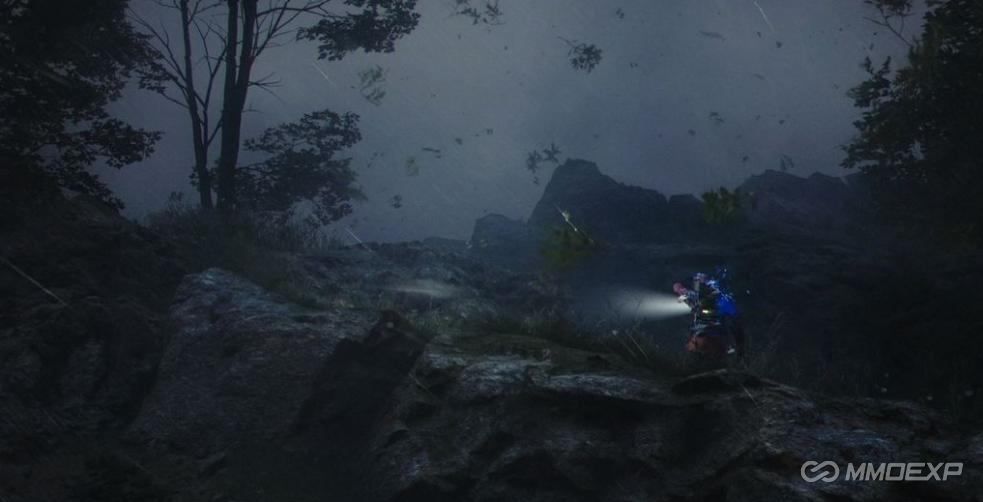
Tailwinds can become powerful tools. Moving with the wind grants bursts of speed, enabling rapid repositioning, aggressive flanks, or quick escapes from overwhelming encounters. Smart Raiders will intentionally route movement paths to exploit these speed boosts, turning what appears chaotic into a tactical advantage.
Headwinds, however, are punishing. Sprinting into strong gusts drains stamina faster and slows forward momentum, making open pushes risky and predictable. Players who ignore wind direction may find themselves exhausted before reaching cover - a fatal mistake during firefights or ARC encounters.
Positioning therefore becomes a core skill. Travel along the leeward sides of buildings, cliffs, and wreckage to reduce stamina drain. Learning the map's natural windbreaks is just as important as memorizing loot routes.
Throwables become far less reliable. Grenades drift, smokes scatter, and gas effects may shift unpredictably. Practice throws during low-risk moments to understand how different wind strengths affect trajectories. Even jumping changes - leaps assisted by tailwinds can enable creative shortcuts, while jumps into headwinds may fall short and leave you exposed.
The key lesson: mobility is no longer static. Every decision must account for wind.
Debris Assault: The Shield Management Dilemma
The Hurricane doesn't just push - it pelts.
Gale-force winds carry dirt, scrap, and shrapnel that constantly chip away at your shield. Standing exposed in open terrain accelerates shield degradation, causing sparks and visual noise that can reveal your position to observant enemies.
This introduces a difficult trade-off. Shields provide combat safety, but during heavy debris phases they become a resource drain and a visibility risk.
Effective Raiders will toggle shields strategically rather than keeping them permanently active. Drop shields while crossing debris-heavy zones and rely on terrain cover. Reactivate them before entering close-quarters combat or known ARC patrol routes.
Shield upgrades that improve environmental resistance become more valuable in this map condition. Expect gear priorities to shift toward durability rather than pure combat stats.
Timing matters as well. Debris intensity fluctuates. Learning to move during lighter moments allows passive shield recovery and safer traversal.
Fog of War: Visibility and Audio Vigilance
Low-hanging storm clouds dramatically reduce sightlines. Familiar landmarks blur, long-range engagements become unreliable, and ambush potential rises across the map.
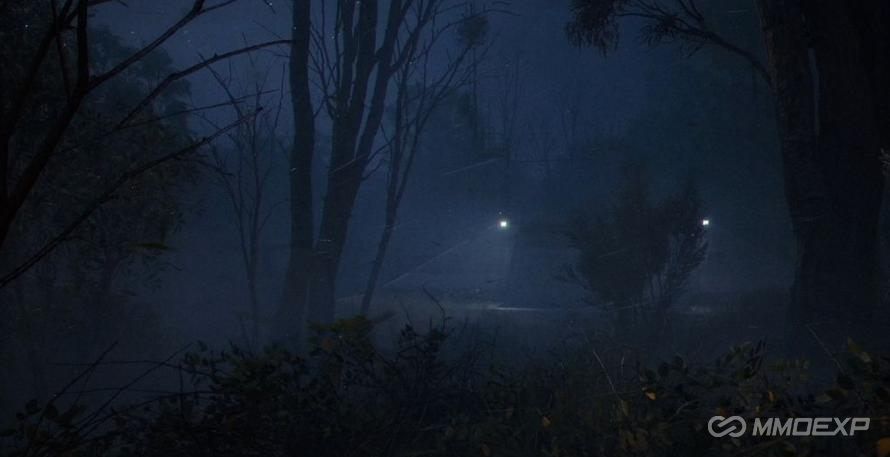
This limited visibility changes pacing. Players must move slower, scan more frequently, and rely heavily on sound. ARC movement, distant gunfire, footsteps in debris - all become primary information sources rather than visual confirmation.
Audio awareness becomes a competitive advantage. Directional headphones, clear team communication, and careful listening can replace lost visibility.
Yet the fog is not purely a disadvantage. Raiders who drop shields blend into the storm more easily, enabling stealth flanks, evasive repositioning, or discreet cache hunting. Visibility cuts both ways - enemies struggle just as much to track you.
Stealth playstyles gain new relevance during the Hurricane.
Unearthed Treasures: First Wave Caches
Risk rises, but so do rewards.
The Hurricane's violent winds uncover First Wave Caches - valuable remnants from humanity's evacuation. These caches often contain rare weapons, advanced mods, and high-tier crafting schematics that are otherwise difficult to obtain.
However, these locations quickly become conflict zones. Rival Raiders and ARC units converge on newly exposed loot, creating unpredictable multi-faction encounters.
Successful players will avoid rushing the most obvious hotspots first. Peripheral areas often yield early caches with less competition. Once better equipped, pushing contested zones becomes safer.
Extraction timing becomes critical. Hurricane events are temporary, and staying too long increases the likelihood of resource depletion, shield failure, or being trapped by late-stage fights.
Greed is frequently punished in storm conditions.
Advanced Tactics: Learning to Fight With the Storm
Mastery of the Hurricane means using it intentionally rather than merely surviving it.
Tailwinds enable aggressive pushes and surprise engagements. Headwinds can be used defensively - retreating enemies slow down, making them easier to pressure or funnel into ARC patrol zones.
Debris fields create temporary soft cover that disrupts long-range tracking. Fog enables guerrilla tactics such as baiting with shield flashes, repositioning silently, and striking from unexpected angles.
For solo players, survival hinges on terrain awareness and exposure management. Hug natural cover, avoid extended sprints into headwinds, and prioritize stealth over prolonged fights.
Squads gain new role possibilities. One player can act as a spotter focused on audio awareness, another as a wind-assisted flanker, while a third manages defensive positioning and extraction planning.
Storm awareness becomes a team skill, not just an individual one.
Risk, Adaptation, and Opportunity
Dynamic weather fundamentally changes player psychology. Traditional habits - predictable routes, fixed grenade throws, constant shields - no longer work reliably. The Hurricane rewards players who adapt moment by moment.
Expect balance adjustments in future patches as developers refine wind strength, shield impact, and cache frequency. Early adopters who learn storm mechanics quickly will hold a major advantage during this phase of the game's evolution.
The biggest risks remain stamina mismanagement, shield failure at the wrong moment, and overcommitting to high-value loot fights in poor conditions. But the rewards - rare gear, memorable encounters, and tactical depth - make the danger worthwhile.
The Storm Awaits
The Hurricane represents one of the most transformative environmental conditions introduced to ARC Raiders so far. It reshapes movement, redefines visibility, forces resource decisions, and creates new opportunities for skilled players willing to experiment.
Survival is no longer about mechanical aim alone. It's about reading wind direction, listening through chaos, managing shields intelligently, and choosing when to fight - or disappear.
Raiders who embrace the storm will return with the best loot and the best stories. Those who resist adaptation may find the Hurricane far deadlier than any machine.
Face the wind, learn its rhythm, and turn chaos into advantage. In Speranza, the storm doesn't just threaten survival - it rewards mastery.
MMOexp ARC Raiders Team