Weekend Drop -













Summary
One of the most common mistakes in College Football 27 dynasty recruiting is offering a recruit's baseline NIL to start, hoping to match competitor offers later. This approach seems logical—offer low, see what others do, then adjust. However, NIL recruiting does not work like scholarship offers. NIL gains compound interest every week, and starting low puts you permanently behind. The smart play is to front-load your offers, and if you need extra budget flexibility, buy CUT 27 Coins to secure top targets early before rivals lock them down. This guide explains why the "start low, adjust later" strategy fails and how to use your NIL budget effectively.
How NIL Interest Compounding Works
The key mechanic that many players misunderstand is that NIL offers generate interest each week. This is similar to compound interest in finance—the earlier you invest, the more you gain over time.
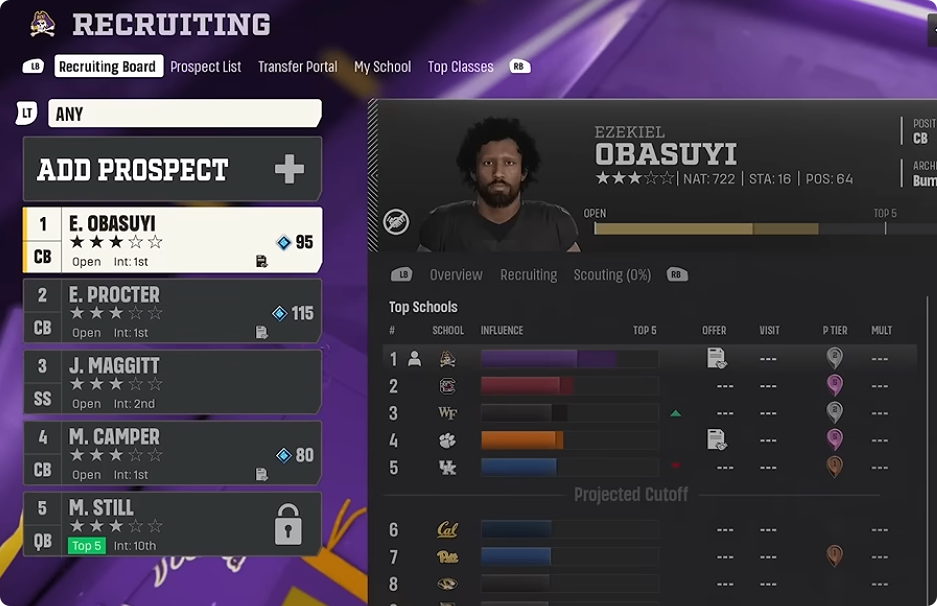
A Tale of Two Recruits
Imagine you are recruiting two players. For your top cornerback target, you offer a strong NIL package right away—around one and a half times the expected amount. For a secondary cornerback target who is more of a contingency plan, you offer only the baseline expected NIL.
In week one, your top target gains a significant interest boost. The contingency target gains almost nothing beyond the basic scholarship offer. This pattern continues week after week. By the time you realize you need to increase your offer on the contingency target, you have already lost multiple weeks of compounding interest.
Now consider the same scenario with your top target. Your competitor starts with a baseline offer, planning to match you later. While you have been gaining interest for three straight weeks, they have been gaining almost nothing. Even if they increase their NIL offer to match yours in week three, they are starting from a much lower interest position. The gap is not just one week's difference—it compounds throughout the entire recruiting cycle.
The Opportunity Cost
The key concept here is opportunity cost. If you spend the same total NIL by week three as someone who offered high in week one, they have gained more interest for the same total cost. You are either paying the same price for less influence or overpaying just to catch up.
Why "Start Low, Match Later" Fails
It Puts You Behind Immediately
When you offer baseline NIL, you gain almost no additional interest beyond what a scholarship provides. If another school offers one and a half times or double NIL in week one, they gain a significant interest advantage. Even if you match their NIL amount in week two, you are starting from a lower interest position.
You Pay the Same Regardless
If you eventually match a competitor's NIL offer, you end up paying the same total amount. The only difference is that your competitor received more interest for the same spending. You have not saved money. You have simply lost influence.
Competitors Can Keep Raising
If you try to match an offer and the competitor raises theirs again, you are forced to keep increasing just to stay relevant. By starting at a strong offer, you establish a high baseline that discourages competitors from entering the race or forces them to spend heavily just to catch up.
A Structured Approach to NIL Offers
To avoid the "start low" mistake, evaluate each recruit based on their value to your program. A clear structure makes the decision simple.
For generational players—those rare talents who can transform your program—offer double the expected NIL immediately. These are players you cannot afford to lose.
For players who are must-haves and fit your scheme perfectly but are not generational, offer around one and a half times the expected NIL. These players are critical to your recruiting class.
For players you want but do not absolutely need, offer one and a quarter times the expected NIL. These are nice additions but not program-changers.
For depth pieces or contingency plans—players you only want if your primary targets fall through—offer the baseline expected NIL. If you lose them, it does not matter.
When Baseline Offers Are Appropriate
Baseline NIL offers are not always wrong. They are appropriate for depth pieces, contingency plans, or players with no other scholarship offers. In these cases, losing the recruit is acceptable. Baseline offers serve their purpose—they keep the player on your board without committing significant resources.
The Rainmaker Synergy
The Rainmaker package increases recruiting influence from NIL offers. If you have Rainmaker unlocked, the compounding effect is even stronger. Offering high NIL in week one gives you a bonus on that week's influence. Doing this over multiple weeks creates a massive advantage that cannot be overcome by a late NIL increase.
If you wait until week three to offer NIL, you have missed the Rainmaker bonus for the first two weeks. This is another reason to offer NIL immediately—you maximize every week of bonus influence.
Building an Effective NIL Strategy
Evaluate Before Offering
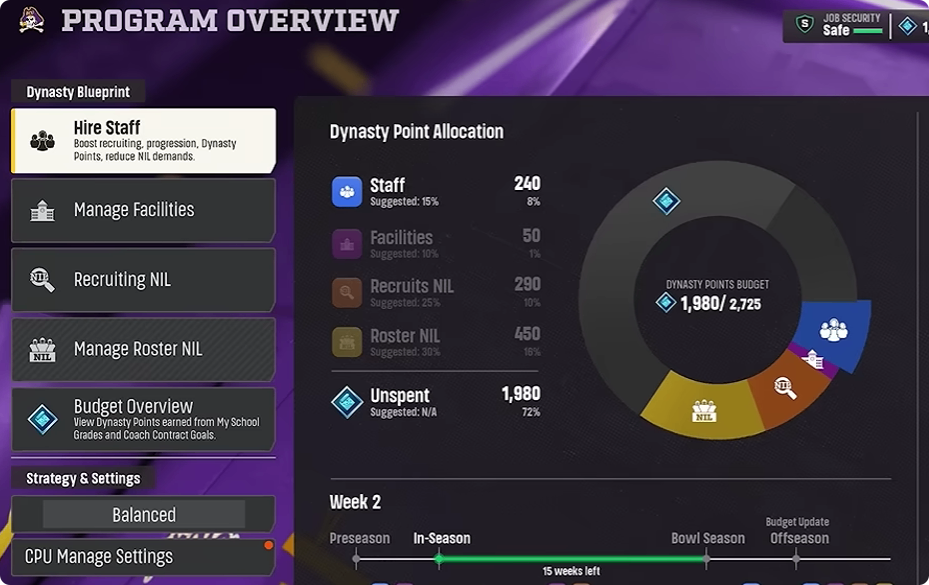
Before the season starts, go through your board and assign each recruit a value tier. Determine which players are must-haves, which are nice-to-haves, and which are depth pieces. This evaluation should be based on scheme fit, position need, and overall talent.
Offer NIL Immediately
For must-have and scheme-fit players, offer their target NIL in week one. Do not wait to see what others offer. The compounding interest advantage is too valuable to sacrifice.
Monitor Without Panic
Once offers are made, monitor the board weekly. If a competitor outbids you on a must-have, you can increase your offer. However, you are not starting from zero. Your early NIL has already generated interest, so you are still in a competitive position.
Cut Your Losses
If a recruit becomes too expensive, cut him loose. This is especially true for depth pieces. Do not overpay for players you do not need.
Summary
The "start low, match later" strategy is a losing approach in College Football 27 recruiting. NIL offers generate compounding interest each week, and starting late puts you permanently behind. Evaluate each recruit before offering. Offer strong NIL immediately for players who matter. Use baseline offers only for depth pieces. If your budget is tight early, CUT 27 Coins can give you the edge to lock in top targets before rivals react. Spend early, spend decisively, and let compounding interest work in your favor.