Weekend Drop -











With the launch of the Season 12 Public Test Realm (PTR), Diablo 4 players are getting their first hands-on look at Blizzard's next major gameplay experiment. This season introduces a brand-new kill streak system paired with unique "bloodied" items designed to interact with sustained combat. While the concept is promising, early impressions suggest the system still needs refinement before it reaches its full potential.
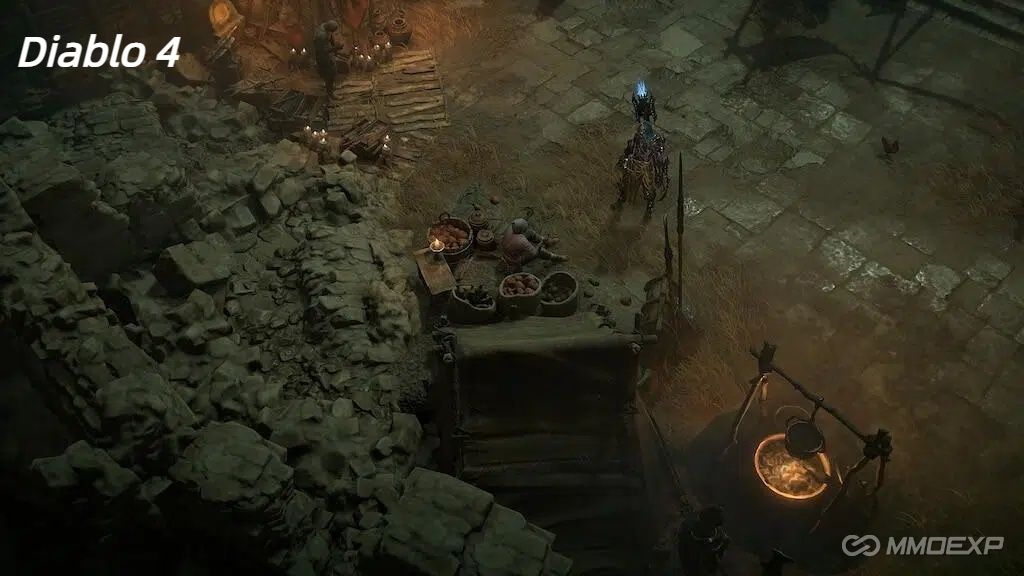
After spending time testing the PTR, it's clear that Season 12 has some exciting ideas-but also notable weaknesses. Let's break down how kill streaks work, what bloodied items bring to the table, and whether this new system has what it takes to meaningfully impact the endgame.
The Core Feature: Kill Streaks Return
The centerpiece of Season 12 is the kill streak mechanic, a feature reminiscent of Diablo 3's massacre bonuses. As players defeat enemies without long breaks, they begin building a streak that ramps up in power.
Kill streaks are divided into several tiers:
Tier 1: Around 15-100 kills
Tier 2: 100-250 kills
Tier 3: 250-500 kills
Tier 4: 500-1,000 kills
Each tier unlocks stronger bonuses tied to equipped bloodied items. Reaching the maximum tier requires 1,000 consecutive kills, a feat that is difficult outside of specific content.
In practice, most players will land between 500 and 800 kills in activities like Nightmare Dungeons, The Pit, or Infernal Hordes. The only reliable way to consistently hit 1,000+ kills is through open-world events like Helltides, where enemy density is much higher.
Introducing Bloodied Items
Alongside kill streaks, Season 12 adds bloodied items-a new class of gear that comes with special kill-streak-related affixes. These items are easily recognizable by their blood-red glow and unique icon.
Bloodied items drop naturally and cannot be crafted or modified to add their special affixes. If an item doesn't roll bloodied, it cannot be converted later. However, once obtained, these items can still be imprinted, masterworked, and upgraded like normal gear.
Notably, bloodied affixes can roll as Greater Affixes (GA), meaning they can be enhanced further through investment. This allows dedicated players to heavily optimize these items for endgame builds.
Three Categories of Bloodied Effects
Bloodied affixes fall into three main categories, each tied to different gear slots.
Hunger (Jewelry)
Hunger effects appear on rings and amulets. These focus primarily on loot and magic find bonuses, such as:
Increased chance for rare drops
Bonus rewards during kill streaks
Improved chances to find specific item types
Some hunger affixes even increase the chance for other hunger items to drop, allowing players to slightly influence loot RNG. This adds a layer of targeting that many players have been asking for.
Feast (Weapons)
Feast effects roll on weapons and activate every set number of kills, regardless of your current streak tier.
Examples include:
Triggering special attacks every 25-30 kills
Pulling enemies toward you
Summoning damage effects
Because Infernal Hordes and dense content often contain hundreds of enemies, feast effects can activate every few seconds. In a 600-enemy wave, for example, a "30 kills" effect can trigger 20 times in under a minute.
Among all bloodied affixes, feast effects currently feel the most impactful.
Rampage (Armor)
Rampage effects appear on armor slots, allowing players to equip up to five or six of them simultaneously.
These provide offensive and utility bonuses, such as:
Increased movement speed
Attack speed
Critical chance
Cooldown reduction
Resource generation
On paper, stacking multiple rampage affixes sounds powerful. In reality, many of these bonuses suffer from diminishing returns at endgame.
Drop Rates and Acquisition
Based on PTR testing, bloodied items appear to drop at roughly a 12% rate from caches and rewards. However, this may vary depending on content.
Some players report higher drop rates in Helltides and enhanced Nightmare Dungeons. New "bloodied sigils" also increase enemy density and difficulty while improving chances for bloodied items and new uniques.
These sigils effectively create "pseudo-Torment V" content, pushing difficulty and rewards beyond current standards.
Where Kill Streaks Work Best
Kill streaks perform differently depending on activity:
Helltides
Best source for long streaks. High density allows players to reach 1,000+ kills.
Nightmare Dungeons & The Pit
Typically cap at 500-800 kills. Still effective, but rarely reach max tier.
Infernal Hordes
High enemy count, but downtime between waves resets streaks, limiting progression.
As a result, open-world farming benefits the most from this system, while structured endgame modes struggle to fully leverage it.The Biggest Issue: Weak Endgame Scaling
While the system works mechanically, its biggest flaw lies in its stat design.
Most rampage bonuses focus on stats that optimized builds already cap:
Movement speed
Attack speed
Critical chance
Resource generation
Endgame characters are typically capped in these areas before kill streaks even come into play. As a result, many bloodied effects provide little to no real benefit.
For example:
Why rely on temporary crit chance if you're already crit-capped?
Why care about movement speed when you're already at maximum?
This makes many affixes feel redundant rather than exciting.
Missed Opportunities for Creativity
Compared to previous seasonal mechanics, bloodied items feel conservative. Past systems like Sanctification offered dramatic, build-defining effects. By contrast, most Season 12 bonuses are small numerical boosts.
There is significant potential for more creative designs, such as:
Cross-class auras
Debuff fields
Temporary legendary powers
Scaling elemental effects
Skill transformations
Ideas like gaining Decrepify auras, Fanaticism buffs, or class-agnostic powers during streaks would make the system far more engaging.
Currently, only a few feast effects-such as temporary berserking-stand out as genuinely exciting.
Learning from Previous PTR Cycles
Historically, Diablo 4 PTRs often launch in rough shape.
Season 10's Chaos Armor and Season 11's Sanctification both felt underwhelming during testing but improved significantly before release. Blizzard has shown a pattern of using PTR feedback to refine systems.
Early community sentiment toward bloodied items is largely critical, mirroring these previous cycles. Most players like the concept but dislike the execution.
This suggests Season 12 may follow the same trajectory: weak PTR, strong final version.
Early Game vs Late Game Balance
One area where bloodied items succeed is early progression.
For leveling characters, bonuses like:
Extra movement speed
Bonus crit
Resource regen
Feel impactful and smooth out the experience.
However, the system lacks a "chase tier" for min-maxers. There is no equivalent to mythic-tier effects that make players feel like they've hit the jackpot.
Without high-end exclusive affixes, long-term motivation may suffer.
What Needs to Change
For bloodied items to thrive, Blizzard should consider:
1.Adding high-tier exclusive affixes for endgame
2.Introducing transformative mechanics, not just stat boosts
3.Improving synergy with boss encounters
4.Creating rare "jackpot" effects
5.Expanding cross-class interactions
These changes would give veteran players meaningful goals while preserving accessibility for newcomers.
Final Thoughts
Season 12's kill streak and bloodied item system introduces an interesting new layer to Diablo 4. The idea of rewarding sustained combat and allowing players to shape their loot experience is fundamentally strong.
However, in its current PTR form, the system feels underpowered and overly conservative. Most bonuses fail to impact optimized builds, and only a handful of effects stand out.
That said, Blizzard's track record suggests improvements are likely. If feedback is incorporated effectively, Season 12 could evolve into one of Diablo 4's more engaging seasonal systems. MMOexp has prepared sufficient resources such as Diablo 4 Items and D4 Gold for players to help them quickly adapt to the new season.
For now, bloodied items represent potential rather than perfection. With the right adjustments, they could become a defining feature of the season. Until then, players should view the PTR as a testing ground-and an opportunity to help shape the future of Sanctuary.
MMOexp Diablo 4 Team