


MLB The Show 26 is putting a major spotlight on Road To The Show (RTTS) in this week's Feature Premiere-and for good reason. The mode continues to evolve into a fully realized career simulator where every decision, from high school showcase performance to college commitment, shapes your future Hall of Famer's trajectory.
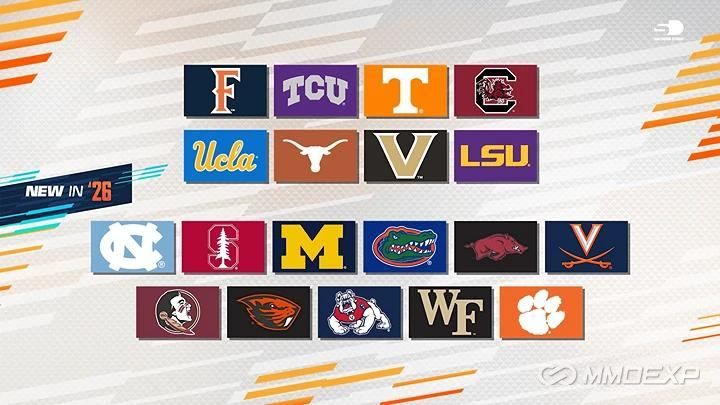
One of the most exciting early-career choices? Which college program will you commit to.
This decision is more than cosmetic. It influences exposure, skill development, archetype growth, draft stock, and your narrative arc. In this guide, we'll break down:
How college programs function in MLB The Show 26
What each type of school offers strategically
Which programs align best with specific player builds
How to maximize draft stock before going pro
Long-term RTTS implications
Let's step into the recruiting spotlight.
Why Your College Commitment Matters in RTTS
Road To The Show is structured around layered progression systems: attributes, perks, archetypes, relationships, and exposure metrics. College acts as a controlled development phase before entering the MLB Draft pipeline.
Choosing the right program impacts:
Playing time opportunities
Attribute growth speed
Exposure multiplier (scout visibility)
Competitive strength of schedule
Showcase event access
Coaching bonuses and training focus
In short: it shapes your ceiling and your floor.
A powerhouse SEC school gives you national exposure and elite competition. A mid-major may offer immediate starting reps and faster skill growth. Your build should dictate your destination.
The Powerhouse Programs: High Risk, High Reward
Programs like:
LSU
Texas
Tennessee
Florida
Arkansas
South Carolina
Vanderbilt
UCLA
These are elite-tier baseball institutions.
Advantages
1. Elite Exposure Rating
Scouts attend nearly every game. Performance spikes dramatically increase draft stock.
2. Strong Team Success Buffs
Deep postseason runs multiply visibility and award opportunities.
3. High-Level Competition
Facing top-tier pitchers/hitters accelerates attribute XP gain in clutch and pressure scenarios.
4. NIL/Branding Opportunities (if integrated)
Some RTTS systems reward performance at big programs with faster personality and sponsorship growth.
Disadvantages
1. Playing Time Competition
You may start as a bench player or platoon option.
2. Slower Early XP if You're Not Producing
Limited reps equal slower development.
Best For:
Polished, high-overall starting builds
Two-way players with strong baseline ratings
Competitive players confident in immediate impact
If you want a fast-track to the first round, powerhouses are your lane-but you must earn it.
The Balanced Contenders: Development + Visibility
Programs like:
TCU
Michigan
Stanford
North Carolina
Wake Forest
Clemson
Virginia
These schools blend competitive schedules with realistic pathways to playing time.
Advantages
1. Strong Coaching Bonuses
Some schools may specialize in certain archetypes (power hitters, command pitchers, speed-focused builds).
2. Faster Path to Starting Role
Less roster congestion compared to SEC giants.
3. Moderate Exposure Boost
Not quite SEC-level, but still nationally relevant.
Disadvantages
Slightly fewer national spotlight games
Postseason visibility may vary year to year
Best For:
Players building toward a specific archetype
Command pitchers
Contact hitters
Defensive specialists
This tier is ideal if you want steady growth without being buried on the depth chart.
Underdog Programs: Maximize Reps, Build the Story
Choosing a smaller or less nationally dominant program creates a compelling arc.
Advantages
1. Immediate Starting Role
You'll likely play every day.
2. Stat Accumulation Opportunity
More at-bats, more innings, more XP triggers.
3. Underdog Narrative Bonuses
If RTTS integrates dynamic storylines, dominating a smaller program can significantly boost draft stock.
Disadvantages
Lower exposure multiplier
Scouts attend fewer games
Team success may be limited
Best For:
Raw prospects
Low-overall starting builds
Players focused on stat padding early
If your goal is volume-based progression, this is the most efficient route.
Matching Your Archetype to the Right Program
Your build determines your optimal environment.
Power Hitter
Best Fit: LSU, Tennessee, Texas
Why: These schools emphasize slugging and play in hitter-friendly environments. High-profile games increase HR-based exposure boosts.
Contact/Speed Threat
Best Fit: UCLA, North Carolina, Stanford
Why: These programs historically emphasize fundamentals and athleticism-perfect for speed archetypes.
Flame-Throwing Pitcher
Best Fit: Arkansas, Florida, Vanderbilt
Why: Elite pitching development systems + exposure in SEC play.
Command/Control Pitcher
Best Fit: Wake Forest, TCU
Why: Balanced competition, strong pitching labs, better opportunity to refine secondary pitches.
Two-Way Player
Best Fit: Mid-tier competitive school
Why: Easier to secure reps both at DH and on the mound.
Draft Stock Strategy: One Year or Full College Career?
MLB The Show 26 may allow multiple college years before declaring for the draft. That decision impacts:
Overall rating growth
Perk unlock speed
Archetype tier progression
Injury risk exposure
Option 1: Declare After Freshman Year
Best For:
80+ OVR builds
Players projected first round
Risk:
Limited polish
Lower ceiling long term
Option 2: Stay 2-3 Years
Best For:
Development builds
Players who want max attribute caps
Those targeting a top-10 pick narrative
Staying longer allows perk stacking and badge progression before entering pro ball.
Gameplay Tips to Dominate College Mode
1. Prioritize Clutch Moments
National broadcast games increase exposure multipliers. Treat them as stat-boosting opportunities.
2. Train for Archetype Milestones
Don't spread attributes thin. Focus on your archetype's core progression tree.
3. Manage Fatigue
College schedules can stack. Smart rest keeps performance optimal.
4. Sim Smartly
If you're comfortably dominating weaker opponents, consider simming selective innings to avoid stat dilution.
5. Focus on Team Success
Deep postseason runs dramatically amplify draft stock.
The Narrative Factor: Creating Your Hall of Fame Story
RTTS isn't just about ratings-it's about legacy.
Committing to LSU might set you up as a dominant SEC superstar.
Choosing Michigan could frame you as a Big Ten breakout.
Taking a smaller school to Omaha? That's cinematic storytelling.
Your college choice shapes:
Commentary narrative
Rivalries
Media interviews
Legacy milestones
The right program isn't just about stats-it's about identity.
Competitive vs. Casual Approach
Competitive Players
Choose powerhouses
Chase exposure
Optimize archetype growth
Declare early if top-tier
Casual / Story-Driven Players
Pick your favorite logo
Build a multi-year arc
Enjoy development pacing
Craft a legendary college run
Both paths are viable. The difference lies in optimization vs immersion.
Which Program Should You Choose?
Ask yourself:
Do I want immediate playing time or elite exposure?
Am I confident in producing against top competition?
Is my build polished or developmental?
Am I aiming for first-round draft status ASAP?
If you want maximum spotlight and are confident in your skills: commit to an SEC powerhouse.
If you want balanced growth and meaningful reps: choose a strong but not overcrowded contender.
If you're building from scratch and want volume: embrace the underdog narrative.
Final Thoughts: Your Future Hall of Famer Starts Here
MLB The Show 26 is clearly doubling down on immersion and player agency in Road To The Show. The college commitment system isn't just aesthetic-it's a strategic fork in your career path.
The right program accelerates your development.
The wrong one buries your potential.
The beauty? There's no universally correct answer-only the one that aligns with your build, your goals, and the story you want to tell.
So when the Feature Premiere drops and you step into that recruiting spotlight, ask yourself:
Are you chasing exposure?
Or building a legacy?
Your Hall of Fame plaque begins with that signature. If you need tons of MLB The Show 26 Stubs, MMOexp can help.
See you in Omaha.
MMOexp MLB 26 Team