Weekend Drop -












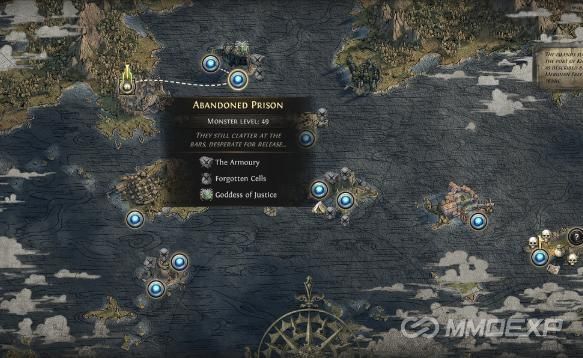
The Abandoned Prison is one of the most atmospheric and mechanically interesting zones in Path of Exile 2's Act 4. It combines dark, maze-like corridors, environmental hazards, and an engaging boss fight that requires more than just dealing damage. Completing this area is essential to advance the main storyline, recover critical quest items, and gain permanent buffs that can significantly impact your build for the rest of the campaign. This guide covers everything from accessing the prison, exploring its dangerous corridors, managing environmental mechanics, and defeating the boss, to maximizing rewards.
Accessing the Abandoned Prison
To reach the Abandoned Prison, players must progress through Act 4's main questline, known as The Search, until they arrive at Kingsmarch, a coastal hub where the player acquires a ship. The prison is located on a nearby island accessible via the ship. Upon docking at the island's waypoint, the quest begins automatically. This step is required to advance the storyline, so it's impossible to skip, and understanding the layout and mechanics of the prison is essential for smooth progression.
Environmental Design and Lore
The Abandoned Prison is an old, dilapidated penitentiary left behind by the Eternal Empire. The environment is oppressive: rain-soaked walls, darkened corridors, and the echoing sounds of water and distant chains create a sense of unease. While the prison has long been deserted, it is far from empty. Ghostly apparitions, undead inmates, and remnants of violent executions populate the hallways, creating challenging combat encounters while reinforcing the narrative of cruelty and abandonment.
The prison is divided into two main sections. The upper level, often referred to as the Prison Proper, consists of winding corridors, cell blocks, and rooms filled with enemies. The lower section, known as Solitary Confinement, is partially flooded and leads to the boss encounter. This two-tiered design not only provides vertical variation but also introduces environmental hazards that influence combat tactics.
Key Objectives in the Abandoned Prison
The Chapel and the Goddess of Justice
One of the most important objectives is the Chapel, a locked room hidden within the prison that requires a Chapel Key to access. This key is dropped by random enemies throughout the prison, so players must explore and defeat mobs to acquire it. Inside the Chapel resides the Goddess of Justice, a statue that grants a permanent buff upon interaction. Players can choose between +30% Life Recovery from Flasks or +30% Mana Recovery from Flasks, and this choice is significant for sustaining survivability or mana in later encounters. The ability to revisit the statue to switch choices allows flexibility for different builds.
Optional Areas: Armoury and Forgotten Cells
The Abandoned Prison contains optional areas that reward thorough exploration. The Armoury is a locked room accessed via a lever and contains chests with weapons and armor, providing valuable gear upgrades. Forgotten Cells are smaller clusters of rooms containing numerous enemies and minor rewards. While these areas are not required to complete the main quest, clearing them can improve loot, experience, and player preparedness for the boss fight.
Combat Encounters and Enemy Types
The Abandoned Prison is densely populated with a variety of enemies that challenge players' strategy and positioning. Melee-focused enemies, such as Eternal Guards and Eternal Prisoners, are tough to manage in narrow corridors. Spellcasting enemies, including Spined Necromancers and Forael, the Soulkeeper, summon minions and buff allies, requiring crowd control abilities or careful focus. Swarming enemies, such as Rattling Gibbet and groups of Risen Rattlers, can easily overwhelm unprepared players.
Combat strategy in the Abandoned Prison emphasizes using space wisely, pulling enemies through chokepoints, and prioritizing high-threat targets like spellcasters. Area-of-effect abilities and crowd control are particularly effective, allowing you to clear rooms efficiently while avoiding being surrounded.
Solitary Confinement and Environmental Hazards
The lower level, Solitary Confinement, introduces one of the prison's most notable mechanics: periodic flooding. Waves of water roll in across the floor, slowing movement and restricting mobility. Players must adapt their positioning, using raised terrain or environmental features to avoid being slowed while fighting. This mechanic not only affects general combat encounters but also has a significant impact during the boss fight, as mobility is critical to managing mechanics effectively.