







In this experiment, we dive into one of the most chaotic crafting sessions in Path of Exile 3.28, testing whether Volatile Vaal Orbs can outperform a massive investment worth hundreds of Divines.
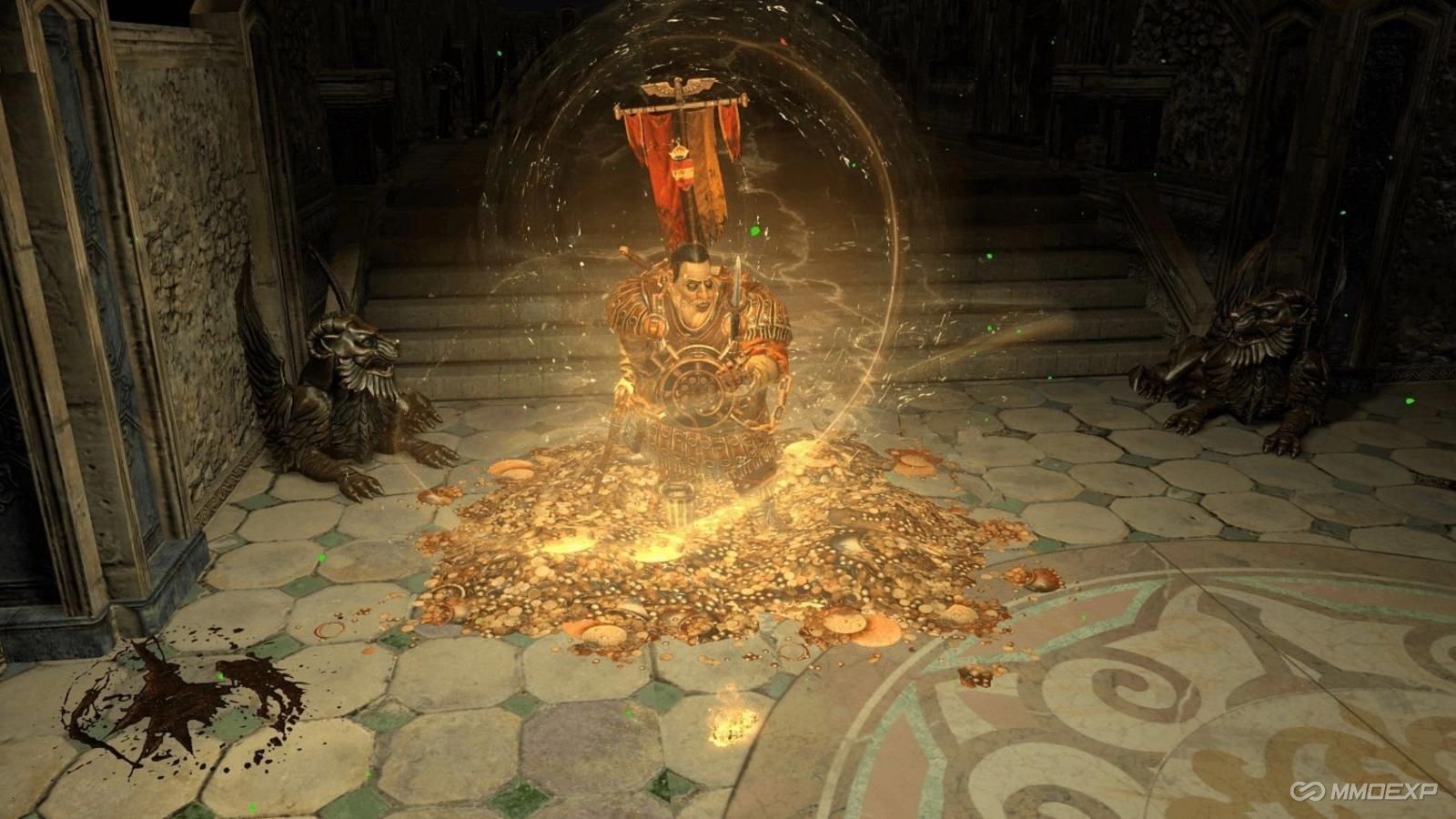
The goal was simple but dangerous: take high-value uniques and chase extreme rolls using volatile currency that can either massively upgrade items-or completely destroy them.
What followed was one of the most unpredictable crafting sessions imaginable.
The Setup: A 528 Divine Gamble
The total investment for this crafting spree came to roughly 528 Divines, split across multiple high-end uniques and currency sets.
The core of the experiment was 125 Volatile Vaal Orbs, each costing around 1.3 Divines, totaling approximately 162 Divines alone.
The remaining value was distributed across high-ticket uniques and crafting targets such as:
Blunderbores
Grey Winds
Comb's Heart
Stampede boots
Defiance of Destiny
Ashes-style chase uniques
Astramentis
Ambu's Charge
Primordial Chain
Various rare-value rings and belts
And the ultimate jackpot target: a Mageblood
Each item had one thing in common: a single high-impact modifier that could potentially be pushed far beyond its normal limits.
How Volatile Vaal Orbs Work
Volatile Vaal Orbs function similarly to advanced corruption mechanics in modern ARPG systems. When used, they reroll item modifiers with the chance to:
Slightly improve stats
Significantly amplify key modifiers beyond normal caps
Or completely destroy the item ("poof" it)
This makes them extremely high risk, high reward tools, especially on items where a single modifier determines most of the value.
For example, certain shrine-effect modifiers on gear can normally cap around the mid-70% range-but volatile corruption can push them as high as 92%, turning a modest item into a multi-divine jackpot.
Early Results: Blunderbores and Shrine Mods
The first major test was on Blunderbores, where the goal was to hit extreme shrine effect rolls.
Unfortunately, RNG did not cooperate.
Most outcomes fell into low or mid rolls:
Many items immediately "poofed"
Others dropped into near-worthless ranges
A few hovered in the 50-70% range, barely worth anything
The expectation of hitting a 90%+ god roll (worth hundreds of Divines) quickly faded.
Even though a couple of survivals reached usable values, overall the Blunderbore segment was a clear loss.
Grey Winds and Tempering Chaos
Next up were Grey Winds, where the objective shifted toward maximizing fire-related modifiers through additional crafting layers like tempering-style enhancements.
However, this part of the gamble quickly became chaotic.
Instead of clean upgrades, the results were:
Wrong modifier hits (physical, crit, attributes)
Unusable rolls that failed to scale properly
Frequent dead outcomes requiring repeated attempts
Despite some attempts landing usable fire rolls, most values failed to reach the threshold needed for meaningful profit scaling.
The conclusion here was simple: too inconsistent to reliably print currency.
Comb's Heart, Stampede, and Mid-Tier Wins
Midway through the experiment, items like Comb's Heart and Stampede boots showed more stable outcomes.
Stampedes, for example, rolled movement speed ranges that stayed within expected value brackets. While they didn't reach jackpot territory, they remained sellable around the 10 Divine range, making them low-risk recoveries compared to earlier losses.
Similarly, Comb's Heart rolls produced a mix of:
Average life rolls
Slight improvements
A few moderate successes
But again, nothing close to the theoretical ceiling values that would offset earlier volatility losses.
Defiance of Destiny and Selective Profit Hits
One of the more interesting segments came from Defiance of Destiny, which rolls a powerful defensive stat tied to missing life before damage is applied.
While most outcomes were average or below expectation, a few rolls landed in profitable territory-though still not game-changing.
This section highlighted an important pattern: even strong defensive uniques rarely justify volatile corruption unless you hit near-perfect ranges.
The Big Hits: Enemies' Embrace and Rare Wins
The standout moment of the entire session came from Enemies' Embrace, which rolled an exceptionally high fire resistance reduction value.
A roll reaching around -57% fire resistance created a major spike in value, estimated at roughly 90 Divines.
This was one of the only true "win" moments of the entire gamble and briefly brought hope that the session might recover losses.
However, it was an outlier rather than a trend.
The Final Boss: Mageblood Gamble
The climax of the experiment was the corruption of the legendary Mageblood.
This item represents one of the most valuable uniques in the entire game, capable of defining entire builds through permanent flask effects.
The risk was extreme: Volatile corruption could either:
Increase flask power (creating a multi-mirror item), or
Permanently downgrade its value
After the final corruption, the result was disappointing:
The item did not brick
But it also did not improve
It settled at a 3-flask version, valued significantly lower than its peak potential
Emotionally, this was the defining moment of the entire session-close to greatness, but not quite there.
Final Outcome: Losses and Reality Check
After tallying all items, successes, and failed corruptions, the overall result was:
Roughly 80-100 Divines lost overall
A few notable high-roll wins
Many mid-tier recoveries
And several complete item destructions
Despite the chaos, the experiment did not end in catastrophic loss-but it also didn't achieve the dream outcome of massive profit spikes.
Is Volatile Gambling Worth It
The experiment ultimately proved one thing clearly:
Volatile Vaal Orbs are not a consistent profit strategy.
While they can create insane jackpot moments, the frequency of:
Item destruction
Low-value rerolls
And failed scaling attempts
…makes them extremely unreliable for POE currency generation.
However, as a high-risk crafting experiment, the session delivered exactly what it promised: chaos, tension, and the occasional glimpse of greatness.
And in true Path of Exile fashion, that's sometimes worth the price of admission.
MMOexp POE Team