





www.mmoexp.com

Shopping Cart
Checkout orContinue Shopping

PoE 2 Endgame Guide: How the Atlas, Maps and Waystones Work

POE 2 Jul-15-2025 PST

Path of Exile 2 promises not only an immersive leveling experience but also a deeply layered and highly replayable endgame system. Building upon the legacy of its predecessor, PoE 2 refines and expands upon the Atlas of Worlds, introduces new mapping mechanics, enhances progression systems, and adds powerful tools like Waystones to guide player agency. Whether you're a new exile or a seasoned veteran, mastering the endgame is crucial for unlocking the most rewarding content and pushing your character's power ceiling.
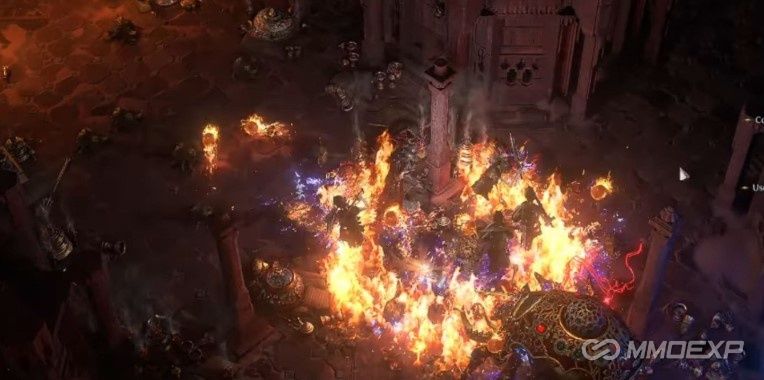
PoE 2 Endgame Guide: How the Atlas, Maps and Waystones Work

In this guide, we'll break down everything you need to know about the PoE 2 endgame: from understanding the Atlas, how to navigate and manipulate maps, to optimizing Waystones and crafting your ideal progression path. Let's dive deep into what awaits you once the campaign ends.

What Is the Endgame in Path of Exile 2?

After completing the campaign in Path of Exile 2, players transition into the endgame, which revolves around the Atlas of Worlds-a vast, multidimensional map system that allows you to explore infinite variations of corrupted zones, known as Maps. Each Map represents an instance of an alternate Wraeclast reality filled with monsters, bosses, loot, and increasingly complex modifiers.

The goal is simple: run maps, get stronger, uncover new regions, defeat terrifying bosses, and shape the Atlas according to your build and goals. But beneath this simplicity lies a spider web of mechanics.

The Atlas of Worlds Explained

The Atlas is a visual representation of all the endgame maps available. It is divided into different regions, each with its own map tiers, boss encounters, and rewards. As you progress through maps, you'll unlock new ones, uncover special bosses, and trigger unique mechanics such as Maven Invitations or boss-specific loot drops.

Key Features:

Regions: Each region contains a cluster of maps, and mastering a region grants you regional bonuses.

Tiers: Maps range from Tier 1 to Tier 17 (and beyond in special cases), with higher tiers offering better loot and difficulty.

Map Bosses: Killing map bosses unlocks progression and drops Watchstones or access to other boss fights.

The Atlas is not static-players can manipulate it with Sextants, Voidstones, Scarabs, and more to tailor their experience.

How to Progress the Atlas

Atlas progression begins with low-tier maps, often dropped from campaign bosses or bought from vendors. Here's how progression typically works:

Run Maps: Begin with Tier 1-5 maps. Completing them unlocks adjacent maps.

Complete Map Objectives: Kill bosses, fulfill Maven invitations, or complete bonus objectives.

Use Waystones/Voidstones: These powerful keystones replace Watchstones from PoE 1 and allow you to increase map tiers globally.

Expand Your Atlas: Higher tier maps unlock as you socket more Waystones into your Atlas.

Farm Bosses: Pinnacle bosses like the Maven, the Searing Exarch, and the Uber Elder become available as you delve deeper.

Progression is non-linear, meaning you can focus on specific regions or bosses that suit your build.

Waystones - The Key to Atlas Customization

In PoE 2, Waystones replace the Watchstones system from the first game. They are powerful items that modify entire regions of the Atlas.

What Do Waystones Do?

Increase Map Tier: Inserting Waystones into a region raises the minimum map tier, allowing access to high-end content.

Unlock Bosses: Some Waystones act as keys to unlock fights with endgame bosses.

Enable Modifiers: Waystones can apply modifiers to all maps within a region, such as increasing monster pack size or altering loot types.

Waystones are typically obtained by defeating regional bosses or completing specific questlines. Managing and rotating Waystones between regions is essential for targeted farming.

Maps - The Core of the Endgame Loop

Maps are consumable items that open portals to instanced areas filled with monsters and loot. Each map has:


A base type (e.g., Tropical Island, Burial Chambers)

A tier level

A list of modifiers (rolled with Orbs of Alchemy, Chaos Orbs, etc.)

A boss encounter

Map Crafting

You can customize maps using the following POE 2 Currency or Items:

Transmutation/Alchemy Orbs: Add affixes to white maps.

Chaos Orbs: Reroll rare maps.

Vaal Orbs: Corrupt a map to increase difficulty and rewards.

Chisels: Increase map quality (more loot).

Efficient mapping involves rolling maps with profitable modifiers (e.g., "more monsters", "increased quantity") and chaining them using Scarabs, Sextants, and fragments.

Map Devices and Fragments

The Map Device is your gateway into the Atlas. Before launching a map, you can place:

Scarabs: Add additional league mechanics (e.g., Legion, Breach, Abyss).

Fragments: Enhance difficulty and drop rates. Some, like Shaper or Elder fragments, enable unique boss encounters.

Offering to the Goddess: Opens Labyrinth variants.

Essences, Delirium Orbs, and more: Stack difficulty for increased rewards.

Customizing your map setup at the Map Device is one of the best ways to farm efficiently and maximize your build's strengths.

Atlas Passive Tree

The Atlas Passive Tree is a new addition that gives you powerful region-wide bonuses based on your preferred playstyle. Instead of socketing Watchstones like in PoE 1, you now earn passive points by completing map objectives and use them to invest in:

Specific League Mechanics: Focus on Legion, Harvest, Heist, etc.

Boss Farming: Increase chances for Conquerors, Maven, or Elder encounters.

Monster Density: Add more packs or rare monsters to boost loot drops.

Map Sustain: Improve the chance that maps of the same or higher tier drop during runs.

This system allows you to fine-tune your Atlas progression and profitability without relying on random map drops.

Major Endgame Bosses

PoE 2 retains many of the beloved endgame bosses from PoE 1, with some twists:

The Maven

Observes your boss fights.

Challenges you to fight multiple bosses at once.

Rewards: Maven's Orb, Awakened Gems, Atlas passives.

The Searing Exarch & Eater of Worlds

Introduced in the Siege of the Atlas expansion.

Influences maps, drops unique loot like Eldritch Currency.

Defeating both unlocks Uber versions.

Uber Elder & Shaper

Only accessible via fragments dropped by high-end maps.

Extremely challenging and rewarding.

New Bosses in PoE 2

Gearing up for launch, PoE 2 promises entirely new endgame bosses with unique mechanics and fight arenas, some tied to league mechanics and others to storyline arcs. Expect multi-phase fights and special loot tables.

Efficient Endgame Farming Strategies

Here are some tips for making the most out of the Atlas endgame:

Target Farm a Mechanic: Choose one mechanic (e.g., Delirium) and spec your Atlas Passive Tree around it.

Maintain Map Pool: Always sustain a variety of maps at your current tier by rolling maps properly and favoriting the ones you want to run.

Scarabs + Sextants: Combine mechanics with Scarabs and boost density with Sextants for efficient juice farming.

Use Trade: Don't hesitate to buy missing maps or boss fragments to push your progression.

Farm Pinnacle Bosses: These bosses drop the most valuable loot (e.g., Awakened Gems, Unique items).

Final Thoughts

The endgame of Path of Exile 2 is a culmination of everything that makes the franchise beloved-insane build diversity, brutal encounters, and endlessly scalable content. With the reworked Atlas, Waystone system, and massive passive tree customization, Grinding Gear Games offers more control and direction than ever.

Whether you're pushing for Uber bosses, farming for mirror-tier loot, or chasing your favorite league mechanic, the endgame in PoE 2 has the depth and flexibility to match your ambitions. The only question left is: how far will you take your exile?


MMOexp POE 2 Team