









If you’ve ever wondered how some players always seem to know what pitch is coming, even before it leaves the pitcher’s hand, you’re not imagining it—it’s real. Going to break down the techniques I use to become a better hitter in MLB The Show 26, including timing, pitch recognition, and setup optimizations.
Understanding Timing: Rhythm Hitting and Stride Tempo
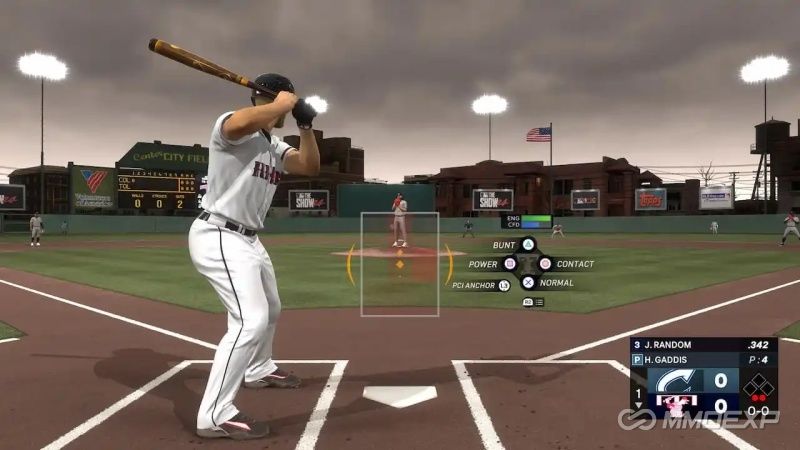
One of the key concepts in hitting is rhythm hitting, also known as tempo hitting. Essentially, it’s the timing of your batter’s stride. When the batter lifts their leg and steps toward the pitcher, the stride animation can reveal what type of pitch is coming. Hitters with early or high leg kicks, like Manny Ramirez or Mike Trout, provide visual cues that can help you anticipate whether a fastball or breaking ball is on the way.
For example, take batting practice with Ramirez against pitchers like Yoshio Yamamoto. His four-seam fastball in the mid-90s mph contrasts sharply with his curveball in the high 70s. By observing Ramirez’s stride, you can “key in” on the pitch type before it’s released. This same principle works for other fan-favorite hitters with noticeable leg kicks.
Countering Rhythm as a Pitcher
If you’re pitching, the key is to keep pitch velocities consistent. Yamamoto’s splitter and cutter, both around 89–93 mph, make it harder for batters to predict the pitch based on stride alone. Mixing pitches with similar speeds helps counter hitters who rely on tempo to time their swings.
Reading Pitch Shapes
When velocity clues aren’t enough, turn your attention to pitch shapes. Each pitch has a distinct break path:
• Four-seam fastballs: straight, hard, and flat.
• Curveballs: loopy and slow, with a noticeable downward break.
• Sliders and changeups: subtle variations in rise, dive, and lateral movement.
By focusing on the release point and trajectory, you can differentiate pitches almost immediately. For example, observe how the pitcher’s hand moves during the release—fastballs tend to come out flatter, while breaking balls often have an upward-to-down motion. Combine this with stride tempo to get the most accurate read on what’s coming.
Custom Practice: Building Your Edge
The best way to internalize tempo and pitch shape recognition is through custom practice:
1. Download community rosters optimized for batting practice, like Hannah’s Custom BP Roster, to face the most meta hitters and pitchers.
2. Set the Red Sox as the home team and Yankees as the away team (or any preferred combination).
3. Focus on swings against varied pitch speeds and break types.
Take 2–10 minutes per session to study rhythm, release points, and break paths. This deliberate practice makes a noticeable difference in-game.
PCI and Hitting Views
Fine-tuning your PCI (Plate Coverage Indicator) is crucial:
• Adjust sensitivity based on your reaction speed and comfort.
• Consider minimal visual clutter for higher-level pitching, using circles or diamonds instead of complex visuals.
• Preferred hitting view: Strike Zone, offering maximum proximity and visual information. If it feels too close, try Strike Zone High.
Stadium Selection and Elevation
Choosing the right stadium can impact your hitting experience. Avoid overly high-elevation fields that artificially extend hits and add rendering load due to animated fans. My recommendation: The Humble Ship It—balanced outfield dimensions, moderate elevation (~1,200 ft), and consistent gameplay results.
Peripherals: Controllers, Sticks, and Monitors
Performance can also be influenced by your hardware:
Xbox Controllers
• Gamester G7 Pro / G7 H: clicky buttons for reduced input latency.
• Overclock to 1000Hz polling rate using Gamester Nexus software.
• Budget alternative: Power A controllers (reputable customer service for stick drift issues).
PlayStation Controllers
• DualSense Edge is the best option if investing in premium controllers.
• Replaceable sticks extend controller lifespan.
Control Freaks and Precision Rings
• Lotus or Kyle collab sticks provide fine PCI control.
• Precision rings help early-game accuracy; choose resistive rings based on personal comfort.
Monitors
• OLED monitors provide the lowest input latency and best pitch clarity.
• Aim for 120Hz refresh rate and 1440p resolution (2K sweet spot).
• Avoid curved monitors to prevent depth perception issues with inside/outside pitches.
Final Hitting Advice
• Work the count: don’t swing at every pitch; let the pitcher throw pitches you can handle.
• Practice regularly: small, consistent sessions in custom practice translate to better timing in ranked games.
• Experiment with PCI and visual setups to find what works best for your eyes and reaction time.
Mastering timing in MLB The Show 26 isn’t just about swinging hard—it’s about reading tempo, observing pitch shapes, and optimizing your setup and peripherals. Additionally, you will need to use MLB 26 Stubs to develop the right players, making it easier to win your games! By following these tips, you can drastically improve your hitting performance and gain an edge in every ranked season.
MMOexp MLB 26 Team