










Linebackers are the heart of any defense in College Football 26. Whether you're shutting down the run, lurking underneath routes, or blitzing the quarterback, having a dominant LB can completely transform your dynasty team. Today, we're diving into one of the most exciting builds you can create: the Generational Linebacker Build.
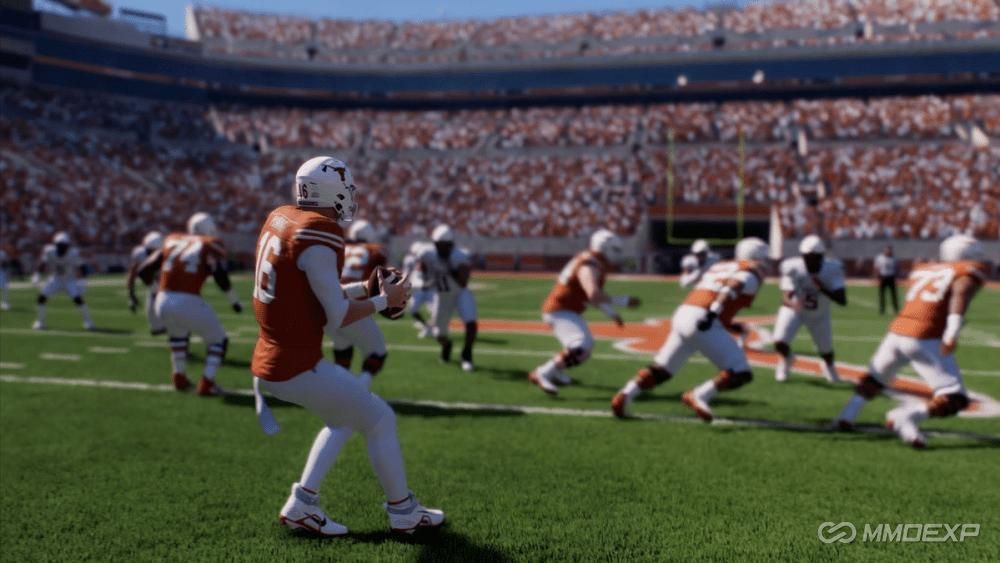
What makes this guide special is that it doesn't just focus on one type of linebacker. Instead, we'll look at three unique player conversions you can use to create absolute monsters at the position. These include:
Athlete Tight End to Linebacker Conversion
Athlete Receiver to Linebacker Conversion
Hybrid Safety to Linebacker Conversion
With these builds, you can dominate in your online dynasty, franchise, or Road to Glory. Let's break down how to recruit, develop, and maximize each one.
Why Not Just Recruit a Standard Linebacker
The game already offers strong linebacker prospects, especially the "Athlete Thumper" archetype. These players usually enter your program big, fast, and powerful. But here's the catch: the thumper build is everywhere. It's effective, sure, but it's predictable. If you want something truly unique, a generational linebacker who can play like Ray Lewis or Brian Urlacher, you need to get creative with position changes.
That's where moving athletes from other spots comes into play. Tight ends, receivers, and safeties often carry hidden defensive attributes that, when developed properly, make them elite linebackers.
Build 1: Athlete Tight End → Linebacker
This is your Ray Lewis-style enforcer. Athlete tight ends come in tall, heavy, and surprisingly strong for their age. Many stand 6'6", weigh 250 pounds, and still run in the mid-80s speed range.
Why It Works:
High Tackling and Hit Power: Even as offensive recruits, these players often show 85+ tackling and 80 hit power right out of the gate.
Block Shedding: Sitting in the 70s, their block shed ratings make them strong run defenders from day one.
Versatility: While they can also line up at defensive end or safety, linebacker is their true home.
When you convert one of these tight ends, you usually see their overall bump up by two or three points on defense. For example, a 72 overall TE can jump to a 74 LB instantly. With development, this player becomes your every-down hammer in the middle, stuffing the run and intimidating receivers over the middle.
Build 2: Athlete Receiver → Linebacker
This is the coverage linebacker, perfect for modern spread offenses and online dynasty matchups. Athlete receivers tend to come in lighter (around 6'3", 210–220 pounds), but with time and progression, they bulk up into usable linebackers by their junior and senior seasons.
Why It Works:
Elite Speed and Agility: Starting at 88+ speed, these players cover ground like safeties.
Height and Catching Ability: At 6'5" with great jumping and catching ratings, they can lurk seam routes and snag interceptions.
Perfect for Sub Packages: Use them as a nickel or dime linebacker where their coverage skills shine.
The downside is run defense. Strength and hit power are usually below average, so you don't want this player plugging the A-gap every snap. But as a user-controlled LB, they're unmatched, fast enough to guard tight ends and strong enough to contest passes.
Build 3: Hybrid Safety → Linebacker
This is your rangy playmaker, a linebacker with the speed to fly sideline-to-sideline. Hybrid safeties are slightly undersized as freshmen (6'2"–6'3", 210 pounds), but their attributes make them deadly once moved to linebacker.
Why It Works:
Elite Coverage Skills: Zone ratings are much higher than standard linebackers, giving them natural pass defense ability.
Great Speed: Mid-90s speed potential makes them chase down running backs and mobile QBs.
Balanced Skill Set: Decent tackling and hit power to start, with room to grow.
Once developed, these players become incredible lurkers. They might not have the raw size of a converted tight end, but they bring a unique skill set that offenses must respect.
Developing Your Linebackers
The real key to building generational LBs is long-term development. Here are a few tips to maximize their growth:
Redshirt Early: Give them a year to gain weight and improve attributes. This is especially important for receivers and safeties.
Focus Training: Prioritize tackling, awareness, and coverage upgrades. Don't waste points on rushing moves unless you plan to blitz them heavily.
Use Them Wisely: Tight end conversions can start right away as run defenders. Receiver and safety conversions shine in sub packages until their strength catches up.
Monitor Weight Gain: Over a four-year career, receivers can gain 10–20 pounds naturally, making them more viable at LB.
By junior or senior year, each archetype can reach the 90s overall, and yes, even hit 99 overall with proper training. That's when you know you've built something special.
Final Thoughts
The Generational LB Build is about creativity, patience, and development. By converting athlete tight ends, receivers, and hybrid safeties into linebackers, you unlock some of the most unique and dominant defensive players in College Football 26.
Want to speed up your progress? Building a dynasty often takes time, but managing your roster and team upgrades gets much easier when you have the right resources. Many players turn to College Football 26 Coins to help accelerate recruiting, training, and roster development, giving them the flexibility to create legendary builds faster.
So whether you want a Ray Lewis-style thumper, a coverage demon, or a rangy hybrid linebacker, this approach lets you craft a generational talent who will anchor your defense for years. Get creative, trust the process, and watch your dynasty dominate the competition.
MMOexp College Football 26 Team