









Zone coverage is one of the most dominant defensive strategies you'll face in College Football 26. Players at all levels, from casual competitors to tournament champions, rely on zone due to its flexibility and ability to mask defensive intentions. However, with the right approach, you can consistently exploit zone defenses and turn them into easy touchdowns. Learning how defensive coverage works is essential to outsmart your opponents.
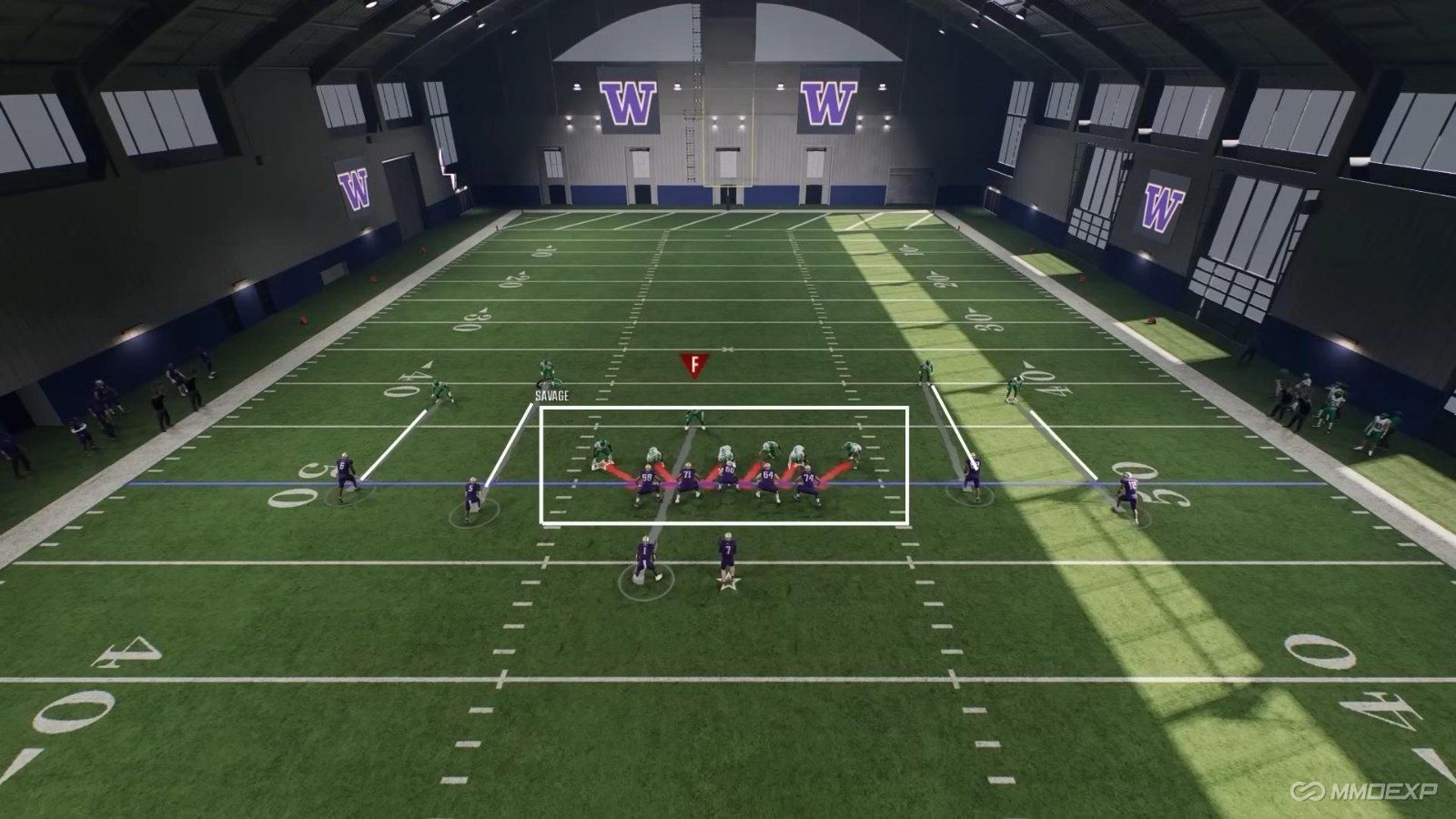
In this breakdown, you'll learn precisely how to beat every variation of zone coverage quickly and efficiently. These techniques are drawn from years of competitive experience, including travel-level tournaments and cash-prize events. Mastering this will immediately boost your scoring potential.
Understanding Zone Coverage
To beat zone, you must first understand it. In zone coverage, each defender is responsible for guarding a specific area of the field rather than a specific receiver. Let's say defender Jefferson is assigned to a hook curl zone, marked in yellow on the play art. His responsibility area spans vertically and horizontally within that designated zone. However, he cannot defend all parts of that zone simultaneously.
This limitation is exactly what you want to exploit.
Let's break it down with an example. Imagine you send a receiver on a curl route to the top of Jefferson's zone. If Jefferson reacts and moves up to defend that route, a receiver coming from underneath will now be open. In contrast, if Jefferson shades toward the lower half of the field, the upper route becomes wide open.
This concept is known as high–low isolation, and it works consistently against zone defenses. Much like a basketball pick-and-roll, you're forcing the defender to choose, and whichever option they take, you simply throw to the opposite side.
Practical Example
Take another scenario on the left side of the field. There's a defender named Sab positioned in a flat zone. The principles stay the same:
If Sab moves up to cover the deeper route, throw underneath.
If he crashes down toward the flat, hit the deeper receiver.
Even when "bumping" occurs (players colliding due to traffic or animations), training your eyes to immediately shift focus away from the disruption helps avoid confusion and allows you to find safer reads elsewhere on the field.
Recommended Play
One of the most effective ways to challenge zone coverage is using the Gun Trips Tight End Offset Weak formation with the Verticals play. Here's how to adjust the routes to create multiple high-low reads:
External receiver (right): Put on a comeback route.
Running back: Send on a speed out (flat route).
Tight end: Assign a return route.
With this route combination, you're attacking defenders in several layers:
Sideline defender: High (comeback) vs. low (RB out route).
Middle defender: If he covers the in route, the return route from the tight end opens up.
Deep coverage: If the mid defender drops too far back because of a seam route, the underneath window becomes wide open.
The beauty of this setup is that no matter how the defense reacts, you have an answer ready.
Countering User-Controlled Defenders
Against stronger players who manually roam across zones, it becomes even more crucial to layer your routes across different field levels. When it looks like they're overwhelmed by multiple assignments, it's only a matter of time before they bite on one route and open up another.
The goal isn't to beat just the AI but also user-design adjustments. Running simultaneous high–low concepts across the field increases the chance of forcing mistakes.
Advanced Applications
Once you've mastered basic high–low combinations, start layering them across the field:
Right sideline: Comeback + flat route.
Middle zone: In-route + return route.
Deep coverage: Seam or crosser.
With three coverage layers under pressure, zone defenders get stretched horizontally and vertically. If the opponent has a strong switch stick (switching defender control quickly), your job is still the same, make the correct read.
Final Thoughts
Beating zone in College Football 26 boils down to understanding defender limitations and systematically forcing them into impossible choices. When paired with proper route combinations, pre-snap adjustments, and tactical reads, you'll consistently move the chains and score touchdowns, without needing to rely on raw speed or expensive athletes.
It's tempting to rely on star players and expensive playbooks to power through online matchups. However, smart gameplay often outweighs having an elite team stacked with top-tier athletes. When you master zone offense concepts, even mid-level teams perform at peak levels, allowing you to conserve College Football 26 Coins instead of spending aggressively on upgrades.
Whether you're competing casually or aiming for tournaments, perfecting your high–low isolation game will help you win more, stress less, and better manage your College Football 26 Coins.
MMOexp College Football 26 Team