









Let's get active today, baby, it's time to dive into College Football 26 and put the Bowling Green offense through a real test. For players looking to sharpen their game, earn more CFB 26 Coins, and build a balanced strategy, understanding how to control the field on both sides of the ball is essential. This guide breaks down how the Bowling Green playbook performs, how it compares to other popular schemes, and how to adjust your defense when the game turns into a dogfight.
Setting the Stage
All season long, many players have leaned on the Oregon defensive scheme, a flexible, aggressive setup that thrives in pressure situations. But this time, the focus shifts: we're checking out the Bowling Green offensive playbook, one that's been popular since day one but often overlooked.
In this matchup, the 3-3 Odd defense forms the backbone of our setup. It's fast, it's aggressive, and it thrives on disguised pressure. On offense, Bowling Green brings a creative mix of RPOs (Run-Pass Options), bunch formations, and quick-hitting passing concepts that can pick apart even the tightest coverage, when executed correctly.
First Impressions
Right away, you'll notice that Bowling Green's offense isn't about flashy bombs or broken plays, it's about timing, space, and leverage. The bunch strong offset and trips tight end formations create natural mismatches that can shred zone coverage. Meanwhile, RPO bubble and inside zone split runs give you flexibility to attack light boxes.
However, success depends on making the right reads. The biggest mistake new players make with Bowling Green is not recognizing pressure or holding the ball too long. If you aren't getting pressure on defense, expect a long day. On offense, if you don't handle blitzes or miss your pre-snap reads, you'll struggle to sustain drives.
To make this playbook sing, you'll want to:
Identify your hot reads early (especially vs Cover 3 and Cover 0).
Use motion to diagnose man vs. zone.
Call half-slide protections or full-slide right against heavy pressure.
Adjusting the Defense
Against strong offensive opponents, you'll need to adapt your Oregon 3-3 Odd defense. Many players start with Cover 3 Cloud or Cover 3 Sky, but savvy offenses can bomb these looks if you're not careful. The trick is to vary your shells, rotate into Cover 4 Drop or Inside Quarters to protect against deep shots.
Key defensive tips:
Shade underneath when opponents rely on quick slants or drags.
Mix curl flats set to 15 yards to handle corner routes.
Always identify the halfback as a possible checkdown target.
Remember: College Football 26 is a chess match. When your opponent finds rhythm, don't panic, rotate coverages, send heat occasionally, and keep him guessing.
Offensive Execution
Once you're comfortable with the setup, it's time to move the ball. Here's a breakdown of how to sustain drives using Bowling Green's offensive system.
1. Short Game Control
Plays like Curl Flat, Mesh Digs, and Z Spot help you control the tempo. Mix these with RPO looks to keep the defense honest. Quick throws and checkdowns to your slot receiver will build momentum while protecting your QB.
2. Vertical Pressure
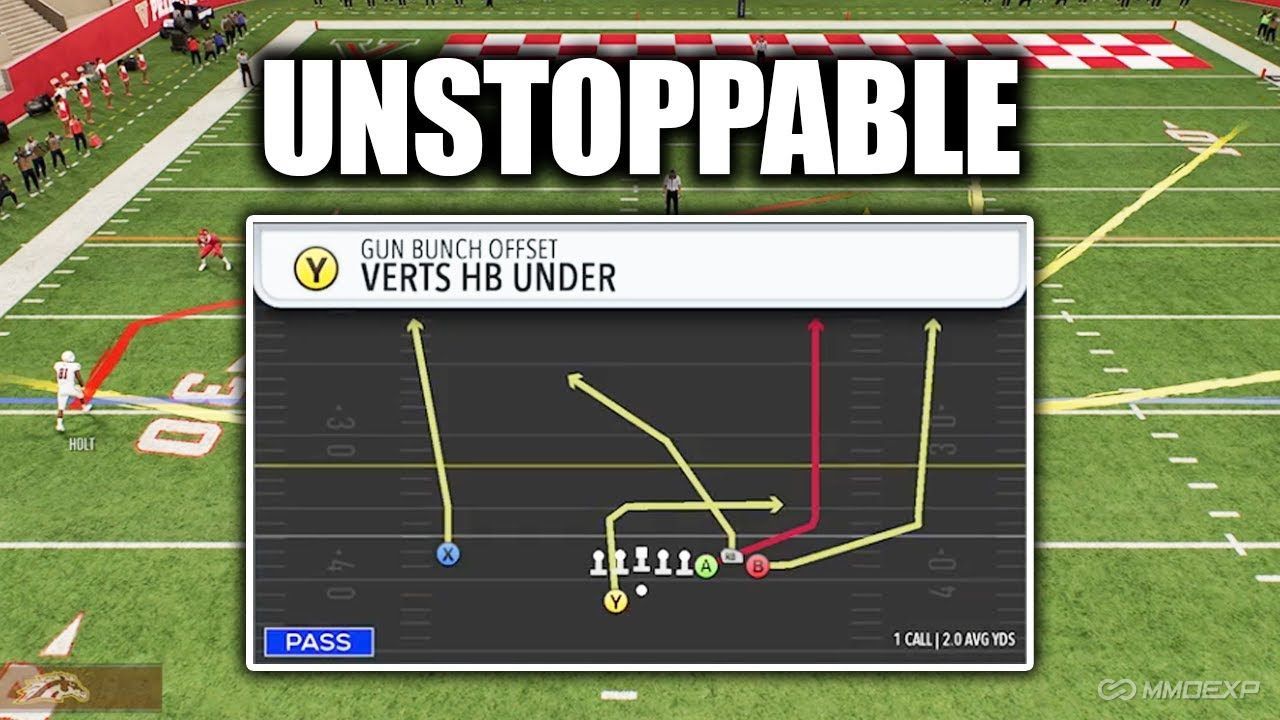
When the defense starts creeping up, hit them with Verts, Corner Strike, or PA Shot concepts. Bowling Green's vertical routes are excellent for stretching zones, just make sure you have time in the pocket. Slide your protection, make your read, and highball your passes to exploit single coverage.
3. RPO and Run Balance
Bowling Green's RPOs are powerful but require discipline. If the read key crashes, pull it and throw the bubble. If the end sits, hand it off. Your receivers must block on the perimeter, one missed block can ruin the entire play.
The inside run game is also solid, with plays like Duo, Inside Zone Split, and Crack Toss giving reliable 4–6 yard gains. These runs chew clock, control tempo, and set up the deep passing game.
Clock Management and Game Flow
Winning in College Football 26 isn't just about play calls, it's about managing possessions. If you're up before halftime, chew the clock and protect the football. Motion players before the snap to read the defense, and don't be afraid to take the checkdown. Bowling Green's system rewards patient players.
Defensively, if you're protecting a lead, mix Cover 4 Drop with occasional pressure from the outside. Your opponent will likely start forcing throws, that's where turnovers happen. Stay disciplined, and the game will come to you.
Tips for Players
If you're working toward upgrading your team and stacking College Football 26 Coins, mastering a balanced scheme like Bowling Green's can pay off long-term. Every game you win efficiently helps maximize rewards, and having a consistent offensive identity helps you climb competitive ranks faster.
Quick tips for maximizing coin efficiency:
Use custom audibles to save time and avoid wasted plays.
Focus on ball control, turnovers cost both points and momentum.
Practice blocking adjustments against blitz-heavy opponents.
Review game film (or replays) to identify missed reads and improve consistency.
Final Thoughts
The Bowling Green offense isn't the flashiest, but it's one of the most adaptable playbooks in College Football 26. When paired with a sturdy Oregon-style 3-3 Odd defense, it offers balance, creativity, and control, exactly what you need to win close games and earn more College Football 26 Coins.
Whether you're grinding through online matchups or running a dynasty, this offense rewards smart decision-making and steady execution. So load up your playbook, set your audibles, and take the field, because in College Football 26, strategy always wins the day.
MMOexp College Football 26 Team