









Summary
Diablo 4 Season 14 introduces powerful Horadric Cube tricks that fundamentally change how players approach item crafting. These techniques allow crafters to consistently land all skills on amulets and guarantee resistance to all elements on defensive gear. The ability to stack skill ranks transforms character power dramatically, enabling Torment 12 boss kills in seconds as every single skill rank multiplies damage for main skills and enhances defensive capabilities.
Crafting the Perfect Amulet
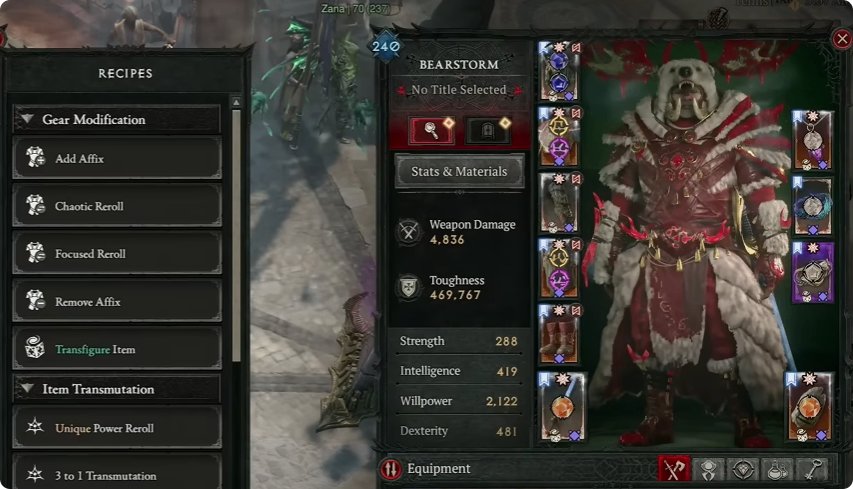
The amulet crafting process creates some of the most powerful items available in Season 14. By understanding how core stats interact with the crafting system, players can guarantee all skills on every amulet they create.
Step One: Building the Core Stat Foundation
Start with a normal ancestral amulet that has no existing affixes. The first step involves adding a core stat. For a warlock, this will roll either willpower or skills. After securing willpower on the first roll, adding another core stat will only produce stats, guaranteeing ranks to hellfire skills for players using that build. The third core stat addition always yields all skills, which can roll as either one or two ranks. Adding a fourth core stat becomes impossible, as the system prevents further core stat additions.
Step Two: Achieving Plus Two All Skills
To achieve the coveted plus two all skills, focused rolling works effectively. Since willpower and hellfire skills are also core stats, they will reroll alongside all skills. Simply spam the focused roll button until all skills reach level two. This typically takes five to ten rerolls, making it a relatively painless process compared to other crafting methods.
Step Three: Locking the All Skills Affix
Once all skills plus two are secured, the next challenge involves removing unwanted affixes like willpower or defensive skills without jeopardizing the all skills roll. The solution lies in visiting the enchanter and selecting all skills for enchanting, then choosing no change. This action locks all skills affixes into place permanently. With all skills locked, focused rolling will only target the defensive skills and willpower, never touching the all skills affix. This allows free rolling to maximize willpower and transform basic skills into something more meaningful. After approximately ten additional rolls, the desired skill ranks should appear.
Step Four: Adding the Offensive Finish
The final step involves adding an offensive affix, preferably critical strike damage. If the initial roll misses, simply focus on the offensive aspect until the desired modifier appears. The willpower affix also counts as offensive, allowing both to be juggled simultaneously. Focus rolling the offensive category can yield critical strike damage, vulnerable damage, fire damage, or critical strike chance.
Starting with Greater Affixes
The real power emerges when beginning with an amulet that already has a greater affix. This approach yields significantly more powerful results than starting from scratch.
Why Greater Affixes Matter
Starting with an amulet that has a greater affix to critical strike damage or critical strike chance completely changes the crafting outcome. The entire skills process works without ever jeopardizing the critical strike damage multiplier. Working with the core stat mechanics can produce truly exceptional results, such as vulnerable damage, critical damage, greater affix, all skills, and nature magic damage skills on a single amulet.
Alternative Starting Options
Starting with a rare item that has three ranks to core skills allows locking those core skills while adding all skills without ever compromising the existing stats. The strongest advice is to start with an amulet featuring a greater affix to critical strike damage or critical strike chance. This approach simplifies the maximization process considerably.
Working with Unique Amulets
The technique works with unique amulets that already have skill ranks as well, though the cost becomes prohibitive. Rolling lightning resistance into all skills on a unique amulet might take twenty attempts and quickly bankrupt most players. Therefore, starting with a rare ancestral amulet remains the most cost-effective approach for most players.
Farming Horadric Cube Materials
Players concerned about having enough Horadric Cube materials can use a simple and efficient farming method that consistently produces large quantities.
The Nightmare Dungeon Escalation Method
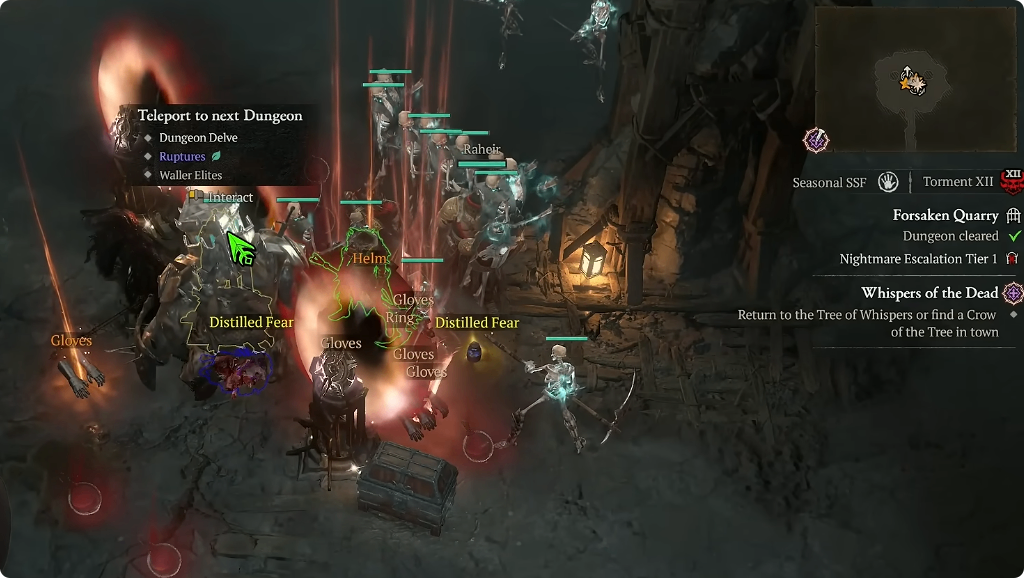
Combine five nightmare dungeon sigils in the cube to create a nightmare dungeon escalation. Then, in the nightmare dungeon activity tree, take the middle path and choose branching pathways. During the escalation, always choose between three portals when advancing to the next nightmare dungeon. Focus on material reserve options. When the second and third dungeons offer material reserves, exit with twenty to forty more tuning prisons in every category. This method provides an easy and consistent source of cube materials.
When to Use This Farming Method
This farming approach works especially well when war plans are not directly providing materials or when not running the undercity. The nightmare dungeon escalation is absolutely amazing for material farming, offering a reliable alternative to other content.
Crafting Perfect Defensive Items
Defensive item crafting follows similar principles to amulet crafting but focuses on survivability rather than damage output.
Starting with the Right Base
Start with a chest piece that has maximum life, as insufficient life leads to frequent deaths. Remove unwanted affixes like impairment reduction and core skills, leaving only maximum life. This creates a clean base for adding defensive affixes.
Adding Resistance Affixes
Add a resistance affix, which will be fire resistance on the first roll. Interestingly, adding another resistance always produces all resistance. If the resistance to all elements rolls low, focused rolling can improve it, though this may also hit the lightning resistance. Alternatively, simply remove both resistances and re-add them, as they will consistently produce resistance to all elements.
Handling Unwanted Affixes
Rather than removing unwanted physical resistance, add another defensive affix or a skill rank if needed. For builds requiring resources, add maximum resource and turn it into wrath generation. Then reroll the physical resistance at the enchanter into something more desirable, like armor. This resistance to all elements technique works equally well on pants, boots, and helmets, finally solving the elemental damage vulnerability that plagues many builds.
Charm Crafting and Optimization
Charm crafting offers additional power increases, though it requires careful resource management to avoid wasting valuable materials.
Crafting Unique Charms
Crafting unique charms from ancestral items presents an interesting opportunity. While turning a mythic into a unique charm is possible, it does not produce a mythical charm, so avoid falling into that trap. However, unique powers on charms can now be rerolled. A charm sitting at fifteen percent can be rolled up to twenty percent, and affixes at forty-five can reach sixty.
Managing Attuned Primordial Materials
The primary limitation is the scarcity of attuned primordial materials this season. The best source for attuned primordial materials comes from war plans, specifically targeting cube spoil materials indicated by the tiny cube symbol. Nightmare dungeon escalation farms with material reserves also provide these materials, though they remain extremely rare. Most players will have only a handful available, so saving them for maximum roll uniques makes the most sense.
Obtaining Plus One Charm Slots
For players struggling to find a seal with plus one to charm slots, a reliable transmutation method exists that eventually produces the desired result.
The Transmutation Method
Take every seal found that does not have plus one and transmute them in the cube at a three-to-one ratio. This process may require twenty to thirty seals, but eventually yields the desired plus one charm slot. While selling seals is profitable at approximately thirteen million Diablo 4 Gold each, the sheer volume of seals available makes transmutation worthwhile.
Farming Seals Efficiently
Lair bosses from tier eight and above guarantee at least one seal drop, and nightmare dungeon escalations with the waking spoils node produce many seals as well. Normal charms can also be sold for a million each, though destroying them at the enchanter for infused horadric resin proves more valuable, as significant resin is needed to roll skill ranks to forty plus.
Rune Management and Mythic Crafting
Runes play a crucial role in crafting mythic uniques at the jeweler, though the results are random for specific slots.
Understanding Rune Requirements
Crafting one-handed weapons requires eom, luck, and sea runes, while amulets need ule and knock runes. Target crafting specific runes is expensive, requiring five of any rare and five of any legendary rune. A cheaper alternative involves three to one transmuting runes in the same category.
Transmutation vs. Amalgamation
For magic runes, three to one, transmute them. For rare runes, do the same. For legendary runes, the same applies. Amalgamation provides another option, upcycling six zig runes into a rare rune or five rare runes into a legendary rune. Understanding which method to use based on available resources makes rune management much more efficient.
Farming Runes in the Undercity
Running the undercity with a rune tribute provides another source of runes. The rare tribute offers better value than the legendary one. Before running these tributes, ensure gutter filth is active, which spawns portal pranksters on activating beacons, resulting in more chests, more runes, and more everything. This approach allows for targeting crafting towards specific mythic uniques rather than killing bosses repeatedly with no guarantee of success.