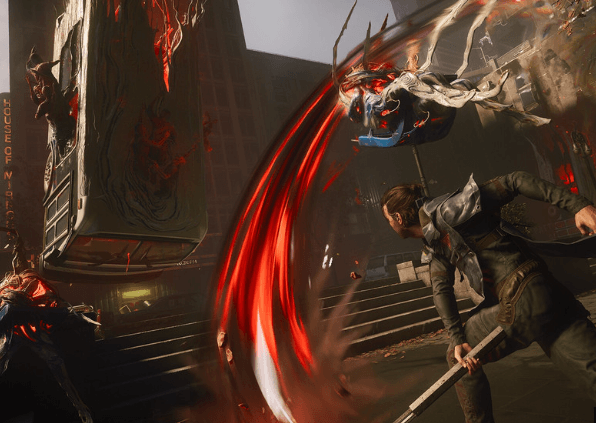







Physical tackling in EA FC 26 is no longer just about pressing a button and hoping for the best — it's a fully dynamic system powered by HyperMotion V and Impact Engine 2.0, making it one of the most skill-dependent aspects of defending in the game. Whether you're diving into Ultimate Team, Career Mode, or competitive online play, learning how to master physical tackles can mean the difference between a solid clean sheet and a frustrating defensive collapse.
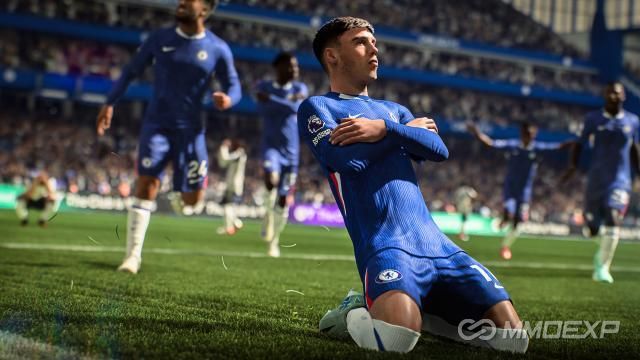
This in-depth guide breaks down how tackling mechanics work in EA FC 26, how to time and position yourself effectively, and the techniques pros use to dominate one-on-one defensive duels.
1. Understanding Tackling in FC 26
Tackling in EA FC 26 has evolved dramatically from previous installments. Thanks to the upgraded BOOM Physics System — the same tech that powers realistic collisions in Madden 25 — every tackle now accounts for a combination of player strength, momentum, balance, and ball control physics.
The Core Types of Tackles
Standing Tackle (O/B)
Used for direct ball challenges while standing.
Best for intercepting slow dribbles or shielding duels.
Risk of fouling if mistimed or if the opponent uses skill moves to redirect momentum.
Shoulder Challenge (Press L2 + R2 / LT + RT)
A controlled, physical bump that uses body positioning instead of a direct lunge.
Excellent for edging attackers off the ball.
Depends heavily on strength and aggression attributes.
Slide Tackle (Square/X)
A high-risk, high-reward move used to intercept through balls or make last-ditch stops.
Extremely timing-dependent; mistiming often leads to yellow or red cards.
In FC 26, sliding angles and recovery animations have been improved, allowing for quicker follow-ups if you connect cleanly.
Seal and Hold (L2 / LT)
Not technically a tackle, but a defensive stance that forces the opponent into mistakes.
Ideal for jockeying and waiting for a moment to commit to a tackle.
2. The Physics Behind Tackling
With HyperMotion V now fully integrated across all platforms, every defensive challenge in FC 26 is powered by motion-captured animations from real professional matches. The result is a system that measures:
Contact momentum (how fast and at what angle you engage)
Player body mass and balance
Leg positioning relative to the ball's trajectory
Opponent resistance (ball control, dribbling agility, and shielding strength)
This means you can no longer rely on a single input. You must position your body correctly and anticipate your opponent's next touch. A smaller defender like Kyle Walker can still dispossess a strong forward like Haaland, but only if he approaches from an angle that leverages balance and speed rather than brute force.
3. Defensive Attributes That Matter Most
To dominate in physical tackling, you need to understand how your players' defensive attributes directly impact their effectiveness on the field. These core stats influence everything from the precision of your tackles to the recovery speed after contact. Here's how each one plays a role:
Standing Tackle
This is the backbone of one-on-one defense. It determines how cleanly and accurately your player can make contact with the ball when staying upright. High Standing Tackle ratings reduce the risk of fouls and allow faster recovery after winning possession. Players like William Saliba and Virgil van Dijk excel here because of their timing precision and footwork control.
Slide Tackle
Slide Tackling dictates how effective your player is when going to ground. A high rating minimizes foul chances and ensures your defender connects with the ball rather than the opponent's legs. In FC 26, slide tackle physics depend heavily on this attribute — higher values allow quicker get-up animations after a clean challenge.
Strength
Strength measures how well your player can use their body to dominate duels. It affects shoulder-to-shoulder challenges, shielding, and how much knockback your defender generates during contact. Strong defenders can absorb impact while maintaining balance — crucial when battling physical strikers like Haaland or Lukaku.
Aggression
Aggression determines how forcefully a player engages in tackles and physical contests. Defenders with high aggression tend to step into challenges assertively, often winning 50/50 balls. However, it's a double-edged sword — too much aggression without control can lead to unnecessary fouls or missed lunges.
Balance
Balance keeps your player grounded after impact. When tackling, balance prevents your defender from falling or staggering after contact. It's particularly valuable for smaller, agile players who rely more on positioning and timing than brute strength — think Kyle Walker or Jules Koundé.
Defensive Awareness
This attribute is all about positioning. It dictates how well your player reads the game, anticipates passes, and automatically adjusts body angles to block or intercept the ball. High awareness means your defender will naturally move into the right place before committing to a tackle, drastically improving your overall success rate.
In short:
If you're building a rock-solid defense, prioritize defenders with a strong combination of Standing Tackle, Strength, and Defensive Awareness. Then refine your setup with players who also possess Balance and Aggression to give you adaptability in both calm duels and high-pressure moments.
Players like Van Dijk, Dias, Araujo, and Leny Yoro epitomize this blend — combining raw physicality with intelligent positioning to win clean, decisive tackles under any condition.
4. Positioning: The Foundation of All Tackles
A successful tackle begins before you even press the button. Good defenders use positioning and anticipation to force the attacker into a mistake.
Tips for Positioning:
Use Jockeying (L2/LT) to slow down attackers and adjust your body angle.
Stay between the ball and the goal at all times.
Don't spam tackle buttons — instead, shadow the dribbler until they expose the ball.
If the attacker turns their back, move closer to initiate a shoulder challenge.
Anticipate skill moves; skilled players often bait tackles with fake shots or stepovers.
In FC 26, the improved dribbling AI means attackers vary their approach angles more dynamically. As a result, defenders who react quickly to body feints — using subtle stick adjustments rather than rushing in — will consistently win the ball cleanly.
5. Timing and Angle Control
Timing a tackle correctly is now more important than ever. The Tackle Assist Window in FC 26 lasts only a fraction of a second, meaning even slightly early or late inputs can cause fouls or missed contacts.
How to Time Tackles Properly:
Observe the dribble rhythm — attackers alternate between strong and weak touches. Target weaker touches when the ball is further from their foot.
Don't tackle head-on — approach at a 45-degree angle to deflect rather than collide.
Release the sprint button just before tackling to avoid over-committing.
Read animations — when attackers use a skill move, wait until their animation ends to challenge.
Using the contextual tackle setting (enabled in gameplay options) can help newer players, as it automatically adjusts tackle power based on your defender's positioning and momentum.
6. Using the Jockey + Lunge Combo
One of the most effective techniques in EA FC 26 defending is the Jockey + Lunge combo. It's an advanced tactic that gives you precise control over tackle timing.
Hold L2/LT to jockey, keeping your body square to the attacker.
When you see an opening, tap O/B (Standing Tackle).
Your defender performs a short, controlled lunge rather than a full tackle.
This approach leverages your defender's natural body alignment, significantly reducing foul risk. Players like William Saliba and Ronald Araújo excel at this because their defensive animations are fluid and responsive.
7. Shoulder Challenges and Shielding Duels
Shoulder challenges are essential for disrupting an attacker's balance without directly poking the ball away. They are especially effective against taller or slower opponents.
To execute:
Hold L2 + R2 (LT + RT) to engage in a physical contest.
Use the Left Stick to angle your shoulder toward the opponent.
Time your bump as they take a heavy touch.
If you connect properly, the attacker will stagger, exposing the ball for a quick recovery. Combining this with the Shielding mechanic (L2/LT) when in possession lets you mirror the same physical playstyle offensively, creating a consistent rhythm of controlled body positioning.
8. Slide Tackling: High Risk, High Reward
Slide tackles are best reserved for emergency situations or when you're absolutely certain of your angle. In FC 26, slide tackling physics have been tuned to allow more realistic outcomes:
Clean slides can now nudge the ball forward for counterattacks.
Dirty slides trigger BOOM collisions, showing realistic fouls, shirt pulls, and impact inertia.
Pro Tips for Slide Tackles:
Always aim diagonally toward the attacker's lead foot, not the ball itself.
Use slide tackles in the box only if you have a clear line to the ball.
Release the sprint button before sliding — sprint momentum often causes overshoot.
Tap Circle/B lightly instead of holding it for longer slides.
Defenders like Antonio Rüdiger and Marquinhos have high Slide Tackle stats and recovery speed, making them ideal for this technique.
9. Transition Tackling: Winning the Ball and Keeping It
A common issue players face after winning a tackle is losing possession immediately afterward. In FC 26, the engine calculates ball deflection vectors, meaning a successful tackle doesn't always guarantee recovery.
How to Maintain Possession After Tackles:
Use the right stick to direct your player's recovery movement immediately after the tackle.
Tap R1/RB to trigger nearby teammates to assist in ball recovery.
Pair tackling with Auto Intercept settings in the gameplay menu to help scoop up loose balls.
Holding L2/LT after a successful tackle will also stabilize your defender's balance, preventing awkward follow-up touches that can gift possession back.
10. Training Drills for Tackling Mastery
If you want to truly master tackling mechanics, you'll need consistent practice. EA FC 26 includes several Training Arena and Skill Game modules tailored for defensive improvement.
Recommended Drills:
1v1 Defender Challenge: Focus on jockeying and timing.
Interception Practice: Improves reading passing lanes and predicting touches.
Tackle Chain Drill: Trains combo tackles in tight spaces.
Advanced Slide Drill: Teaches risk control and recovery animation timing.
These drills are excellent for both new and seasoned players who want to refine muscle memory before taking on real opponents.
11. Building the Perfect Tackler
When choosing players for Ultimate Team or Career Mode, look beyond pace. Physical tackling depends on the right blend of strength, intelligence, and technique.
Best Physical Tacklers in EA FC 26:
Virgil van Dijk (Liverpool): Dominates duels with unmatched strength and balance.
William Saliba (Arsenal): Combines speed and precision tackling with elite composure.
Antonio Rüdiger (Real Madrid): Aggressive and fearless in shoulder battles.
Leny Yoro (Lille): Future star with incredible defensive awareness.
Irene Paredes (Barcelona F): Reads the game perfectly and wins clean tackles consistently.
If you're creating a custom Pro in Player Career Mode, invest early in the Defender Skill Tree, particularly Defensive Awareness, Physical Strength, and Ball Winning.
12. Tackling in Different Game Modes
Ultimate Team: Tackling success depends on chemistry and playstyle. Use players with Anchor or Sentinel chemistry styles to boost defensive attributes.
Career Mode: Focus on player growth and training sessions that boost standing and slide tackling.
Clubs Mode: Coordinate with teammates — communicate when pressing or holding ground to avoid double commits.
VOLTA Football: Tackling is lighter and faster, emphasizing quick poke tackles and body bumps over slides.
13. Advanced Defensive Combos
To take your tackling to the next level, combine inputs strategically:
L2 + R2 (Controlled Sprint) → O/B (Quick Intercept)
L2 (Jockey) → Left Stick Flick → Circle/B (Counter Lunge)
Hold L1 (Teammate Contain) → Press Circle (Dual Pressure Tackle)
These combinations let you control both individual and team defensive positioning, creating layered pressure that forces mistakes.
14. Common Mistakes to Avoid
Overcommitting too early — stay patient and wait for openings.
Tackling from behind — higher foul probability under new physics.
Using sprint tackle spamming — removes precision and recovery balance.
Ignoring player fatigue — tired defenders commit more fouls.
Not using jockey stance — results in poor tackle angles.
Mastering the rhythm of anticipate → jockey → tackle is key to becoming a reliable defender.
Tackling in EA FC 26 isn't about brute force — it's about controlled aggression and calculated timing. The new BOOM physics make every challenge feel lifelike, rewarding intelligent defenders who can read the play and use positioning as much as raw strength.
By understanding tackle types, timing your movements, upgrade your players with FC 26 Coins, and managing your body angles, you'll transform from a reckless slider into a composed, unshakable wall of defense. Whether you're shutting down Mbappé on the wing or intercepting a through ball to stop a last-minute goal, mastering physical tackling is the foundation of true defensive excellence in EA FC 26.
MMOexp FC 26 Team