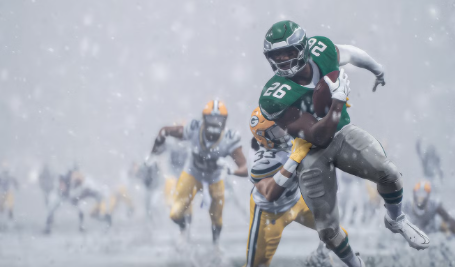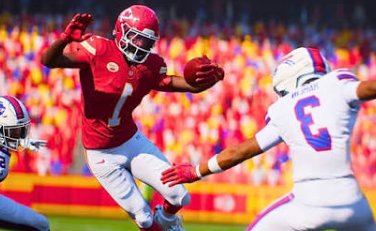


The Jets begin the season in complete chaos: a 17-0 collapse against Tennessee, a painful loss to Green Bay, and a 0-3 hole after Detroit. So, is the season already over? Not even close. The biggest lesson is clear: Breece Hall can carry the ground game, Garrett Wilson remains the offensive centerpiece, and Kade Klubnik may be the quarterback who changes everything. This guide breaks down how to stop turnovers, survive brutal pass rushes, use young talent correctly, and turn a struggling Jets rebuild into a long-term contender.
1. The 0-3 Start: Why the Jets Are Struggling
The record looks ugly, but the roster is not hopeless. The Jets have elite building blocks, including Breece Hall, Garrett Wilson, Will McDonald, Omar Cooper Jr., and a young quarterback with real upside in Kade Klubnik.
The major problems are simple:
• Geno Smith is taking too many sacks and fumbling under pressure.
• The passing game is forcing deep throws into bad coverage.
• The offensive line cannot consistently handle pressure.
• Defensive speed is exposed by explosive runners such as Jahmyr Gibbs.
• Turnovers are destroying promising drives before points arrive.
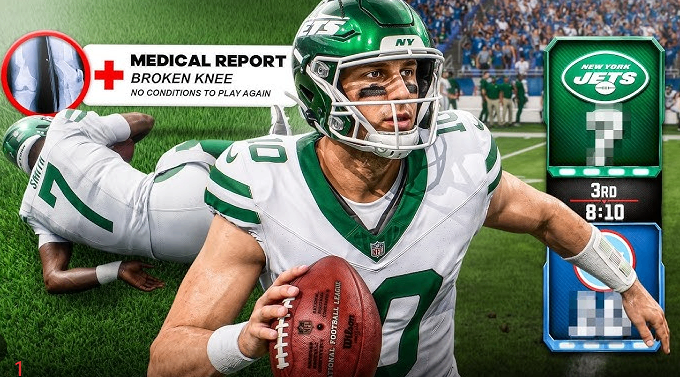
The Titans game was a warning sign. The Packers game proved the Jets could compete. The Lions game revealed the turning point: the offense looked more alive when Klubnik entered.
2. Build Everything Around Breece Hall
Breece Hall is the safest and most dangerous weapon on the Jets offense. Even in losses, he consistently creates positive plays, breaks through traffic, and gives the offense manageable down-and-distance situations.
Best ways to use Breece Hall:
• Start drives with inside zone, stretch runs, and counter concepts.
• Use play-action only after establishing the run.
• Target Hall on screens when edge rushers are attacking aggressively.
• Run him from shotgun to give the quarterback clearer pre-snap reads.
• Avoid predictable runs on third-and-long.
The Jets should not abandon the run just because they fall behind early. Hall is the player who keeps the defense honest, opens throwing lanes for Garrett Wilson, and reduces the pressure on a young quarterback. If you need to stabilize the franchise quickly, buy mut coins at mmoexp, save your sanity, and enjoy the real endgame.
3. Garrett Wilson Must Be the First Read
Garrett Wilson is the WR1. That needs to show up in the play calling.
His development should prioritize catching in traffic, release, route running, and physical growth. Against tight man coverage, Wilson needs quick opportunities rather than risky deep shots. The offense repeatedly struggled when it waited too long for vertical routes to develop.
High-percentage Garrett Wilson concepts:
• Slants against off coverage.
• Drag routes versus man coverage.
• Quick outs and comeback routes near the sideline.
• Motion snaps to prevent press coverage.
• Play-action crossers after successful Breece Hall runs.
Do not force hero throws into double coverage. Get Wilson involved early, let him build momentum, and use him to create space for the rest of the offense.
4. Omar Cooper Jr. and Kenyon Sadiq Are Key Supporting Weapons
Omar Cooper Jr. can become a highly productive slot receiver. His slot upgrade matters because the Jets need a reliable answer when defenses take away Garrett Wilson outside.
Use Cooper on:
• Option routes over the middle.
• Quick stick routes on third down.
• Slot fades against linebackers or safeties.
• Mesh concepts paired with Garrett Wilson crossing underneath.
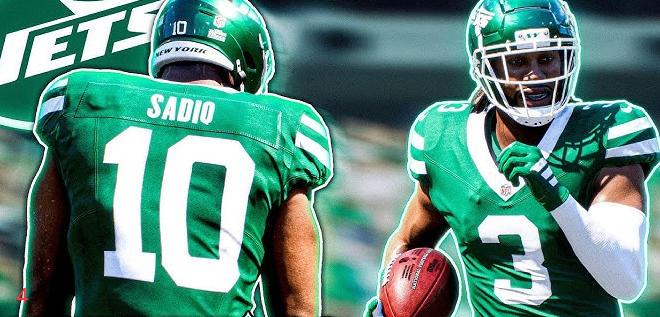
Kenyon Sadiq also showed why young tight ends can change a rebuild. His first career touchdown against Green Bay was not just a highlight. It showed that he can win isolated matchups in the red zone.
The ideal offensive formula is simple: Hall controls the ground game, Wilson commands defensive attention, Cooper moves the chains, and Sadiq becomes the matchup problem near the goal line.
5. Kade Klubnik Should Get the Starting Job
The quarterback decision is the biggest one of the season.
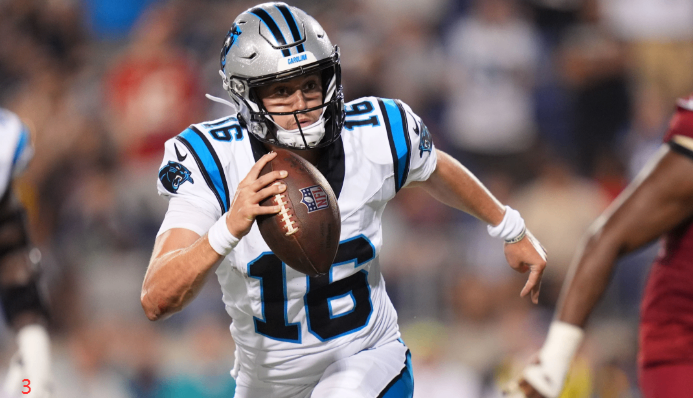
Geno Smith’s experience has value, but repeated sacks, fumbles, inaccurate throws, and wear and tear are holding the offense back. The Jets looked more decisive after Kade Klubnik entered against Detroit. He moved outside the pocket, completed efficient throws, scrambled when needed, and led the first passing touchdown drive of the season.
Why Klubnik changes the offense:
• He adds mobility against heavy pass rushes.
• He can create outside structure when protection collapses.
• His quick decision-making fits short and intermediate concepts.
• He gives the franchise a long-term development path.
• Young players such as Cooper, Sadiq, and Mitchell can grow with him.
Start Klubnik, but do not ask him to play superhero football. Build his confidence through quick reads, run-pass options, rollouts, and short throws. Let Breece Hall carry the early workload while Klubnik settles in.
6. Stop Losing Games Before Halftime
The Jets repeatedly put themselves in impossible positions. Falling behind 17-0 against Tennessee and Detroit forced the offense to become one-dimensional, leading to more sacks, interceptions, and desperation throws.
The first-half game plan should focus on survival:
• Run the ball at least 10 times in the first half.
• Take field goals when drives stall.
• Avoid fourth-down gambles unless the matchup demands it.
• Use conservative coverage against explosive receivers.
• Do not force deep passes after a turnover or sack.
A 10-3 game is still a game. A 17-0 deficit changes the entire playbook.
7. Fix the Pass Protection Problem
The offensive line is the core issue behind the passing attack. Pressure has ruined red-zone chances, killed third downs, and made Geno Smith vulnerable to fumbles.
Practical protection adjustments:
• Keep a tight end or running back in to block on obvious passing downs.
• Use quick passes before calling long-developing concepts.
• Slide protection toward elite edge rushers.
• Roll the quarterback away from the strongest pass-rush side.
• Call more max-protect play-action shots instead of repeated five-man protection.
Do not repeatedly test dominant pass rushers with standard dropbacks. Protect your quarterback first, then attack downfield. For players trying to speed up roster upgrades and focus on actual franchise-building decisions, buy madden ultimate team coins at mmoexp, save your sanity, and enjoy the real endgame.
8. The Defense Has Real Playmakers, But Needs More Speed
The Jets defense has flashed potential. Will McDonald creates pressure, D’Angelo Ponds makes tackles in space, Jarvis Brownlee can force turnovers, and David Bailey has shown pass-rush promise.
However, the Lions exposed a serious weakness: speed in the front seven and secondary. Jahmyr Gibbs broke the game open because defenders could not close running lanes quickly enough.
Defensive priorities:
• Add faster linebackers to defend outside runs and screens.
• Improve cornerback depth to avoid deep coverage breakdowns.
• Use more contained fronts against speed backs.
• Create pressure with McDonald while keeping rush lanes disciplined.
• Avoid overcommitting safeties when facing explosive offenses.
The defense does not need a total rebuild. It needs targeted upgrades to prevent a single big play from becoming a game-breaking touchdown.
9. Aging Veterans Should Become Trade Assets
The Jets roster has talent, but several veterans may not fit the long-term timeline. Demario Davis and Minkah Fitzpatrick are valuable names, yet age and contract situations make them possible trade candidates if the team is not competing.
A smart trade strategy:
• Do not trade veterans just to trade them.
• Move aging players only for premium draft picks or young starters.
• Prioritize first-round picks, second-round picks, and speed at key positions.
• Keep enough veteran leadership to support Klubnik’s development.
• Use the draft to build the offensive line, linebacker group, and secondary depth.
The goal is not to panic after 0-3. The goal is to decide whether the current roster can contend within the next two seasons. If not, turn veteran value into a stronger future.
10. The Best Jets Rebuild Blueprint
The path forward is exciting. The Jets have a potential franchise quarterback, an elite running back, a true WR1, and several young defenders who can become major contributors.
The winning blueprint:
1. Start Kade Klubnik and simplify the offense.
2. Feed Breece Hall every week.
3. Make Garrett Wilson the primary receiving option.
4. Use Omar Cooper Jr. and Kenyon Sadiq in high-percentage roles.
5. Protect the quarterback with quick throws and max protection.
6. Draft speed on defense and talent on the offensive line.
7. Trade aging veterans only when the return improves the rebuild.
8. Stay patient through early losses and develop the young core.

Who This Guide Is For and What It Delivers
This guide is ideal for Jets franchise mode players who are stuck with an inconsistent offense, turnover-prone quarterback play, and a roster caught between rebuilding and competing.
New franchise players gain a simple plan for surviving early games without wrecking the roster.
Competitive players gain play-calling adjustments, pass-protection ideas, and a clear way to maximize Breece Hall and Garrett Wilson.
Long-term rebuild players gain a trade strategy, draft priorities, and a realistic roadmap centered on Kade