





Two years after its stormy launch, Skull and Bones is still sailing, still receiving content, and still dividing players. But has Ubisoft’s pirate RPG finally become worth your time in 2026? The answer depends on what you want: explosive naval combat, deep ship customization, cooperative boss fights, or a relaxed voyage across the Indian Ocean. The game remains niche, its interface can feel overwhelming, and its long-term future is uncertain. Yet for the right captain, its unusual blend of open-world sailing and looter-style progression offers an experience few competitors can match. Here is what every new or returning player needs to know.
The Big Question: Is Skull and Bones Worth Playing in 2026?
Yes, but only if you enjoy naval combat and progression-focused live-service games.
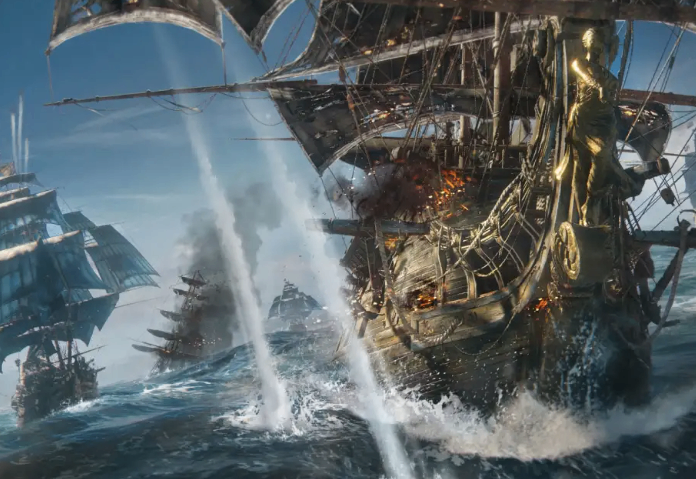
Skull and Bones is not a traditional pirate simulator where you freely explore islands, fight enemies on foot, and live an unrestricted pirate life. Its real focus is your ship. You sail, trade, gather resources, destroy enemy vessels, complete contracts, fight bosses, improve equipment, and create specialized combat builds.
That structure makes it feel closer to a naval looter RPG than a conventional open-world adventure. Missions and seasonal objectives constantly push you toward stronger weapons, better armor, improved furniture, and more difficult encounters.
The game is particularly appealing when purchased during a major sale. Paying less reduces the risk, especially if you are uncertain whether its repetitive progression loop will hold your attention.
Key takeaway: Best for players who enjoy naval warfare, equipment grinding, character progression, and repeatable cooperative content.
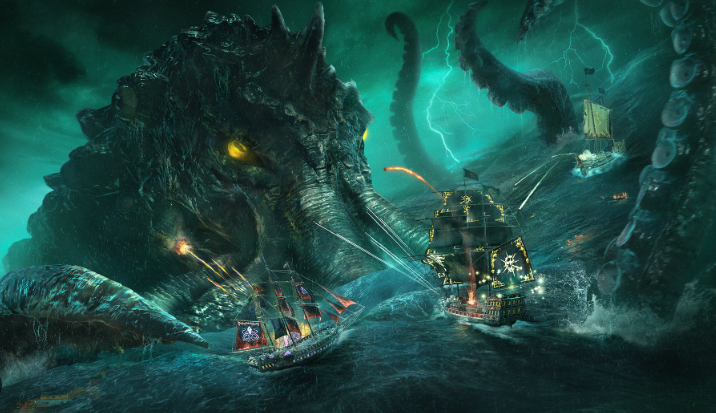
Forget the Launch Drama: What Does the Game Offer Now?
WHOA, hold up. The 2026 version is significantly larger than the original release.
Ubisoft’s Year 3 plan, titled Sails of Power, renews the focus on naval combat and expands progression with additional ships, Trials, elite bosses, faction conflicts, Abyssal Depths challenges, Mythic Ascension, and Mythic Reforge systems. The official roadmap also introduces ships such as the Junk and Fluyt, giving experienced captains more fleet-building options and combat roles to explore (Ubisoft Year 3 roadmap).
Year 3 began with Shattered Seas on May 12, 2026. One of its biggest additions is the Galleon, a large damage-focused vessel with 40 gunports. World Tier 3 and seasonal mastery systems also provide tougher challenges and longer progression paths.
This does not transform Skull and Bones into a completely different game. Sailing, ship combat, resource collection, and equipment optimization remain its foundation. There is simply more to chase after reaching the endgame.
Key takeaway: Returning players receive new progression systems, ships, encounters, and high-level objectives without losing the familiar naval gameplay.
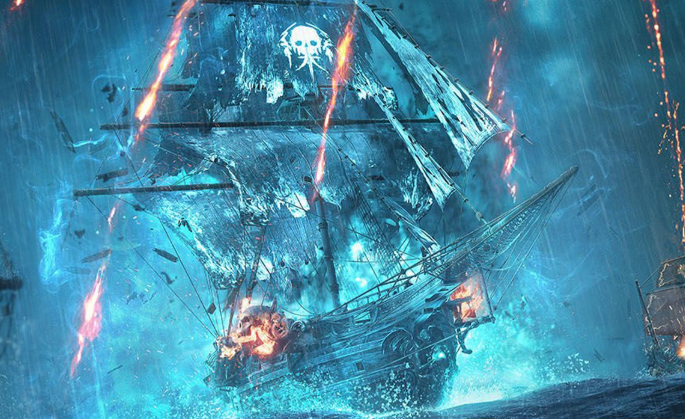
Your First Hours Can Be Brutal: Do These Things Immediately
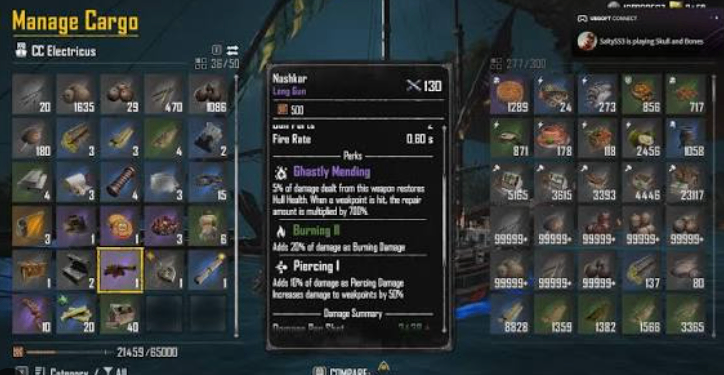
The opening hours are where many new captains get wrecked. The interface throws contracts, resources, blueprints, currencies, cargo systems, crafting menus, and equipment statistics at you with limited explanation.
Use this beginner route to avoid unnecessary confusion:
1. Progress until you reach Saint-Anne.
2. Learn the difference between cargo and warehouse storage.
3. Keep ammunition, repair kits, and food in your ship’s cargo.
4. Move spare crafting materials and commodities into the warehouse.
5. Acquire weapon blueprints before spending heavily on cosmetics.
6. Craft a reliable supply of cannonballs before leaving port.
7. Accept contracts that overlap geographically.
8. Upgrade one main ship before investing in several unfinished builds.
Saint-Anne is especially important because many collected or purchased items become accessible through the Cargo, Warehouse, and Shipyard systems after reaching the settlement.
Do not sail into a difficult encounter with empty ammunition slots. Ramming can damage smaller enemies, but it should be a tactical option, not your entire combat plan.
Key takeaway: New players can prevent early frustration by prioritizing Saint-Anne, ammunition, storage management, and one dependable ship build.
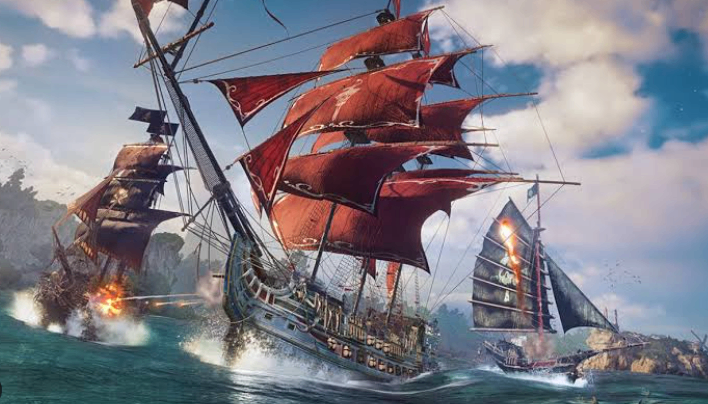
Ship Combat Is the Main Event: Learn Positioning or Sink
Skull and Bones becomes much more satisfying once you stop treating combat like a simple broadside contest.
Every ship has different strengths, weapon positions, movement characteristics, and ideal engagement distances. A fast vessel can kite dangerous enemies, while a heavier build may survive sustained punishment and control crowded battles.
During combat:
• Watch your brace meter and use it before receiving heavy damage.
• Keep repair kits available, but avoid wasting them on minor damage.
• Match weapon range to your preferred positioning.
• Target visible weak points whenever possible.
• Use islands and environmental obstacles to break enemy firing angles.
• Avoid becoming trapped between several hostile ships.
• Maintain enough stamina through food and provisions.
• Retreat when a high-level target overwhelms your current build.
Do not equip weapons only because they have larger numbers. A coherent build with complementary armor, furniture, and weapon effects will usually outperform a random collection of individually powerful items.
If repetitive material farming begins delaying every upgrade, buy Skull and Bones Items at mmoexp, save your sanity, and enjoy the real endgame.
Key takeaway: Combat-focused players gain better survivability and damage by mastering positioning, range, bracing, and coordinated equipment choices.
PvE or PvP? Pick the Experience You Actually Want
You do not need to become another player’s floating loot box.
Players who prefer cooperative or solo progression can concentrate on PvE contracts, world events, convoys, bosses, seasonal challenges, and resource collection. This is the safer way to learn weapon ranges, enemy attack patterns, and defensive timing.
PvP is better approached after building a reliable ship and understanding how equipment combinations affect damage and survival. Human opponents move less predictably, exploit weak positioning, and punish poorly prepared captains much faster than ordinary enemies. MMOexp offers a fast, safe, and reliable way to buy cheap Skull and Bones Items.
Cross-play helps connect the PC and console communities, so Steam statistics do not represent the entire active population. Steam tracking showed roughly 100 to 200 concurrent players around August 2026, but that excludes players using Ubisoft’s platform and consoles
Key takeaway: PvE suits explorers, casual captains, and progression-focused players, while PvP rewards optimized builds, mechanical knowledge, and competitive decision-making.
Build Smarter, Not Harder: Your Ship Needs a Clear Job
A common mistake is trying to make one ship handle every possible situation. A better approach is to choose a role and build around it.
Damage build: Prioritize offensive weapons, weak-point damage, reload efficiency, and effects that improve sustained fire.
Tank build: Focus on strong armor, brace efficiency, survivability, and reliable repair options.
Support build: Use equipment that helps nearby allies, controls enemies, or improves group durability.
Fast farming build: Favor speed, cargo efficiency, maneuverability, and weapons capable of quickly eliminating weaker targets.
Boss build: Balance survival with sustained damage. Short bursts may look impressive, but long encounters punish captains who cannot maintain pressure.
Before crafting expensive equipment, inspect its requirements and confirm that it