










In WoW TBC Classic Anniversary Arena, gear alone doesn't decide matches-execution does. Many teams enter with strong damage but lose because of broken control chains, wasted interrupts, and poor target swaps. If you want to climb consistently, you need to think in terms of tempo:forcing cooldowns, controlling space, and only committing for kills when the enemy has no answers left-because every win saves you wow classic anniversary gold on repairs and consumables.
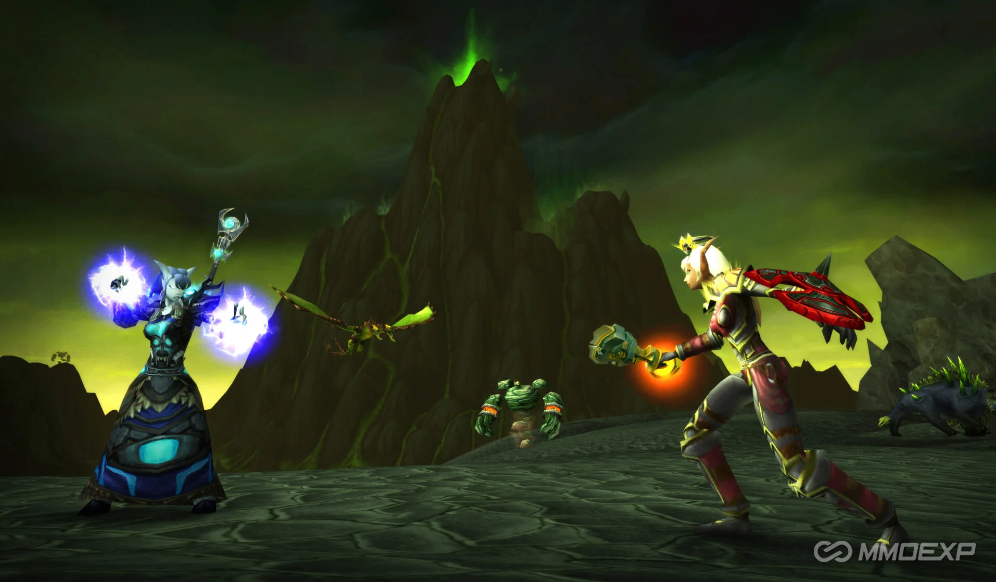
1. Arena is not about damage-it's about tempo
The core win condition in TBC Arena is simple:
First, force defensive cooldowns
Then, control the target during the vulnerability window
Finally, execute the kill with a clean focus chain
This is why high-level players always talk about "baiting trinkets early." If the enemy still has trinket or key defensive tools, committing your full burst is usually wasted pressure.
In short:don't rush kills-create kill windows first.
2. Opening phase:trade cooldowns before choosing kills
The first 10-20 seconds are not about killing-it's about information and resources.
Key priorities:
Force trinket usage early
Bait defensive cooldowns (Ice Block, Shield Wall, Barkskin, etc.)
Identify who is easiest to pressure after cooldowns are used
Target priority is usually:
Shaman (disruption + healing value)
Hunter (kite control and pressure)
Druid (mobility and resets)
Warlock (positioning and line control)
The rule is simple:the more a class can save teammates or reset fights, the earlier it should be pressured.
3. Control chains win games-not single abilities
One of the biggest mistakes in TBC Arena is wasting interrupts early.
"Save your CS" exists for a reason.
Better control structure looks like:
Sap → Stun → Polymorph chain
Kick / Silence → Follow-up CC
Pressure first → hard control second
If you break your own chain early, healers recover and your kill window disappears.
Good teams don't just CC-they extend CC windows through coordination.
4. Shaman matchups:control the totems, control the fight
Shamans are dangerous not just because of healing, but because totems disrupt tempo.
Key ideas:
Don't waste interrupts on low-value casts
Track and clear totems when possible
Force cooldowns before committing CC chains
Against Earthbind and Grounding Totems, overusing fake casts is risky. A more stable approach is:
Apply pressure → interrupt key cast → chain CC → commit damage
Once a Shaman loses control of positioning, their team usually collapses quickly.
5. Hunter and Druid:positioning beats chasing
Against Hunters, the goal is not to chase-it's to limit space.
Focus on:
Preventing consistent kiting
Cutting off disengage routes
Denying Druid peel and resets
Druids are often the real "tempo engine" of the enemy team. If you control the Druid, you control the match pace.
Instead of overchasing targets, hold position aggressively and collapse when cooldowns are used.
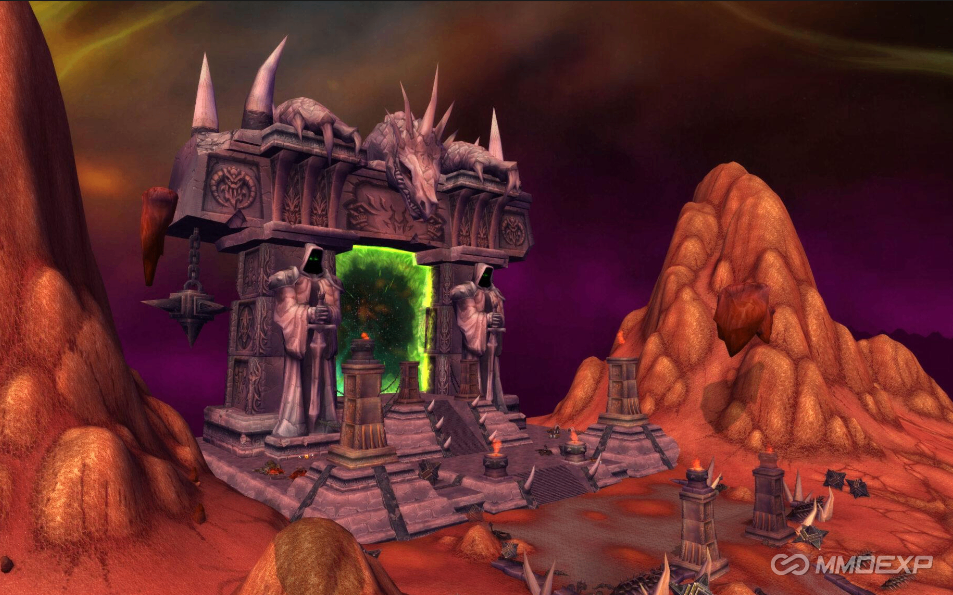
6. Warlock matchups:use terrain to win
Warlocks thrive in open space. You don't want open space.
Use:
Chokes
Bridges
Doorways
Control the map, not just the player.
For example, using AoE pressure to lock down narrow paths forces the Warlock team into predictable rotations, giving you time to reset cooldowns or set up CC chains.
In TBC Arena, map control often matters more than raw damage.
7. Core mindset:force no-win situations
At high level, Arena is about removing options:
No trinket → you CC
No escape → you swap targets
No positioning → you finish kill
Key rules to remember:
Always force trinkets before committing burst
Save interrupts for critical casts only
Focus support-heavy targets first
Play around terrain and line-of-sight
Never break CC chains early
Once you understand tempo control, any comp-Rogue, Mage, Warlock, or hybrid setups-becomes significantly more consistent with buy wow classic anniversary gold backing your consumables and enchants.