

Summary:
Torchlight: Infinite’s advanced Vork crafting system can seem overwhelming because of its random mechanics, but with the right strategy, players can create powerful endgame gear efficiently. This guide explains how to build crafting bases, use organs, reroll affixes in Torchlight: Infinite Flame Elementium, and optimize expensive equipment.
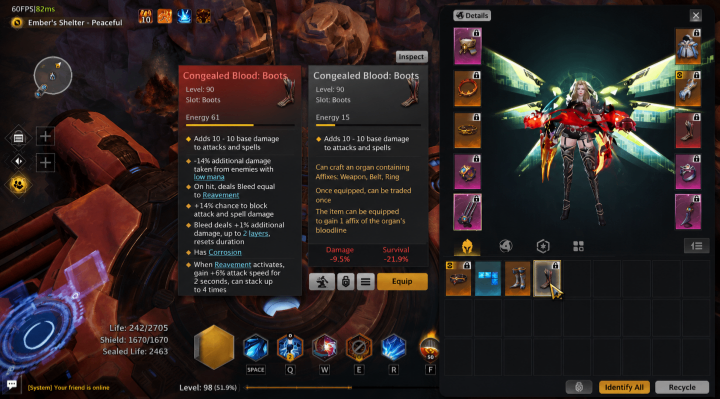
Torchlight: Infinite Vork Crafting System Explained
Torchlight: Infinite offers one of the most flexible crafting systems in the ARPG genre, but many players avoid it because the mechanics appear complicated. The combination of random outcomes, different crafting materials, and expensive resources can make Vork crafting look intimidating.
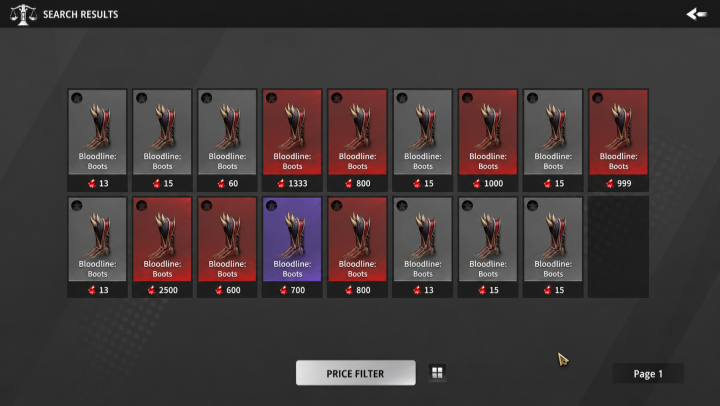
However, once players understand how each crafting component works, creating powerful items becomes much more manageable. Instead of purchasing extremely expensive finished gear, players can build their own equipment step by step and potentially save large amounts of Flame Elementium (FE).
The key to successful crafting is understanding the difference between crafting materials, affixes, and legendary item transfers. With proper planning, even players with limited resources can create strong endgame items.
Starting with the Right Crafting Base
The first step in Vork crafting is choosing the correct base item. Players should always begin with an item that matches their build requirements.
For example, if a build requires specific boots, belts, or armor pieces, the crafting process should start with that equipment type. Expensive perfect bases are not always necessary because Torchlight: Infinite allows players to transfer finished results later.
If a high-quality base costs thousands of FE, it may be more efficient to craft on a cheaper version first. Once the crafting process is completed successfully, players can use transfer mechanics to move the finished stats onto the desired item.
This strategy reduces risk and prevents players from wasting valuable currency on failed crafting attempts.
Understanding Affixes and Crafting Slots
Every item in Torchlight: Infinite has multiple affix slots, including:
Initial affixes
Advanced affixes
Special affixes
These different tiers determine the strength and value of the final equipment.
During the early crafting stage, the exact stats rolled on these affixes are not the most important factor. The goal is to correctly fill the available slots and prepare the item for legendary crafting.
Players should focus on creating a proper structure:
Two initial affixes
Two advanced affixes
Two special affixes
Once the item reaches this stage, the real optimization begins.
Many beginners make the mistake of chasing perfect stats too early. This wastes resources because later crafting steps can overwrite weaker rolls. Building the correct foundation is much more important.
How Crafting Organs Work in Torchlight: Infinite
The Vork crafting system uses different organs that determine how new affixes are added or changed.
Basic organs are used to create initial affixes, while advanced and special organs provide stronger options.
When placing an organ into the crafting interface, the system shows exactly where the new affix will be added. Understanding this placement system is essential because adding an affix to the wrong slot can damage the entire crafting plan.
Players should carefully watch the arrow indicator before confirming any craft.
The goal is not simply to add random stats. The goal is controlling where those stats appear so future upgrades remain possible.
Building a Powerful Endgame Item Step by Step
A good crafting process usually follows this order:
First, players create the basic affix structure. Initial and advanced slots should be filled before using expensive materials.
Next, special organs are added to create stronger legendary-level affixes. These rolls are still random, but the item structure allows players to reroll specific sections instead of rebuilding everything.
For example, a player might want a belt effect that grants additional damage based on Rage or Fury-related stats. The legendary organ may provide several possible outcomes, but only certain ones benefit the build.
The important strategy is controlling the crafting area where the reroll happens.
Instead of rerolling the entire item, players should lock valuable sections and only modify the unwanted affixes.
Managing Randomness and Avoiding Crafting Mistakes
Randomness is the biggest challenge in Torchlight: Infinite crafting.
Even with the correct materials, the desired affix may appear in the wrong location. A powerful stat landing in an advanced or special slot can prevent future upgrades.
This is where many players lose expensive crafting materials.
A smarter approach is to prepare the item so unwanted outcomes can be corrected. Players should avoid clicking the wrong affix category because rerolling an initial affix instead of an advanced affix can destroy hours of progress.
Always double-check:
Which affix tier you are modifying
Which slot the new stat will replace
Whether valuable stats are protected
Careful crafting is more important than simply spending more FE.
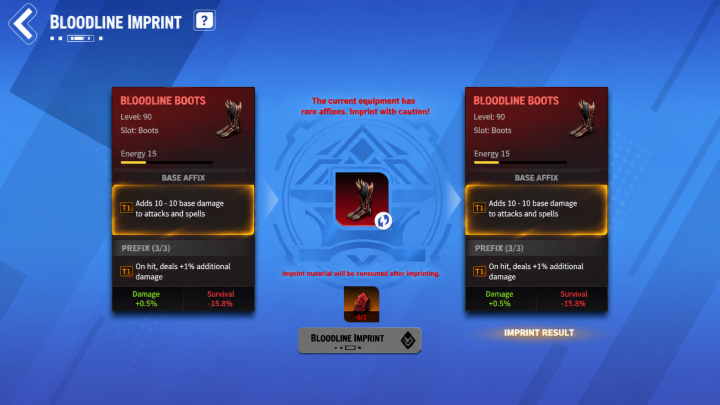
Efficient FE Management During Crafting
High-level crafting requires significant resources, so efficient FE management is extremely important.
Instead of buying expensive finished items, players can often create similar equipment by gradually improving cheaper bases.
A practical strategy is:
Purchase affordable crafting materials.
Create the basic item structure.
Upgrade important affixes.
Reroll only the necessary slots.
Transfer the final result if needed.
This method reduces risk and gives players more control over their investment.
Players should also avoid wasting resources on minor improvements. A small increase in one stat may not justify hundreds of FE in crafting costs.
Using Legendary Items and Transfers
One of the strongest features of the Vork crafting system is the ability to transfer powerful effects from legendary items.
Players can extract valuable properties from existing legendary equipment and apply them to their crafted items.
For example, a legendary belt might contain two important effects needed for a build. Those effects can potentially become part of a new piece of equipment with better overall stats.
This system creates huge possibilities for customization and allows players to create truly unique builds.
Advanced Rerolling Strategies
After the main crafting structure is completed, players can focus on perfecting individual affixes.
Advanced and special organs allow players to reroll specific sections without affecting everything else.
For example:
Advanced prefix rolls only affect advanced prefix slots.
Advanced suffix rolls only affect advanced suffix slots.
Special organs modify special affixes.
This targeted approach makes endgame crafting much more efficient.
Players should continue rerolling until they achieve the desired tier, such as Tier 1 or other high-value stats.
Perfect items may require many attempts, but controlled rerolling dramatically reduces unnecessary costs.
Final Thoughts on Torchlight: Infinite Vork Crafting
Torchlight: Infinite’s Vork crafting system may appear complicated at first, but understanding the mechanics transforms it into one of the most rewarding parts of the game.
The biggest lessons are simple:
Start with a suitable base item.
Build affix slots carefully.
Learn how organs affect placement.
Protect valuable stats.
Reroll only the sections you need.
Manage FE wisely.
Crafting powerful endgame equipment is not about relying only on luck. It is about preparation, strategy, and understanding how the system works.
Once players master Vork crafting, they can create high-end gear, improve their builds with cheap Torchlight: Infinite Flame Elementium, and experience one of Torchlight: Infinite’s deepest gameplay systems.