Weekend Drop -












The Blood Furnace is widely regarded as one of the more challenging dungeons in WoW TBC Classic Anniversary, especially for groups that underestimate its trash mechanics. While bosses often receive the most attention, it's actually the trash packs that cause the majority of wipes, repair bills, and lost time. If you're aiming to farm efficiently for gear, understanding how to handle these encounters is absolutely essential.
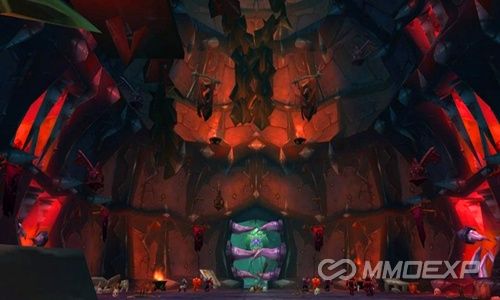
From the first pull to the final corridor, Blood Furnace demands tight coordination, smart crowd control, and strong situational awareness. This guide breaks down the most dangerous trash mobs and explains how to deal with them safely and efficiently.
The Biggest Threat: Nascent Fel Orcs
Across Hellfire Citadel's dungeons, there's always one recurring enemy type that defines the difficulty of the trash. In Blood Furnace, that enemy is the Nascent Fel Orc. These mobs cannot be slowed, which removes one of the most common tanking strategies. However, they can be stunned, and this is where your group's control tools become critical.
Nascent Fel Orcs hit incredibly hard and can quickly overwhelm even well-geared tanks. If more than two are active at once, healers will struggle to keep up, especially in groups with lower gear levels. This is why Blood Furnace often feels more punishing than other dungeons in the same tier.
The safest approach is to hard crowd-control at least two of these mobs in any large pack. Abilities like Polymorph and Fear are extremely effective here. By reducing the number of active enemies, your group drastically lowers incoming damage and gives the tank time to stabilize threat.
Stuns should be used on the remaining active Fel Orcs. Coordinating Hammer of Justice, Cheap Shot, Kidney Shot, or Bash rotations can make these otherwise brutal mobs feel manageable.
The Broggok Gauntlet
The gauntlet event before Broggok is where many groups fall apart. Waves of enemies rush toward your group, including multiple Nascent Fel Orcs. Since the encounter is time-based, poor crowd control or slow reactions quickly spiral into chaos.
The key to success here is pre-planning your crowd control. Assign players specific targets before starting the event. For example:
Mage handles Polymorph on the first Fel Orc
Warlock fears the second
Rogue or Paladin rotates stuns on the active mobs
Shadow Priests offer a unique advantage in this encounter. Using Mind Control on a Nascent Fel Orc not only removes one enemy from the fight but also gives your party a powerful temporary ally. A controlled Fel Orc deals heavy damage and can help clear waves faster, making this strategy both safe and efficient.
Groups that execute this properly will find the gauntlet surprisingly smooth, while those that ignore CC often wipe repeatedly.
General Trash Strategy Throughout the Dungeon
Even outside of the gauntlet, Blood Furnace trash remains dangerous. Nearly every pack contains enemies capable of dealing heavy melee damage or disruptive abilities. Tanks will often take large damage spikes, so healers must stay alert and avoid overextending their mana.
If your group includes a Paladin tank and the pack consists mostly of melee enemies, you can consider an AoE approach. Paladins excel at holding threat on multiple targets, and by kiting slightly in a controlled manner, you can reduce incoming damage while speeding up the run.
This strategy is particularly useful for players farming dungeons repeatedly to build up WoW TBC Classic Anniversary Gold, as faster clears translate directly into higher hourly earnings.
The Danger Before The Maker
The trash packs leading up to the first boss, The Maker, are deceptively dangerous due to Shadowmoon Technicians. These mobs behave similarly to the technicians in Blackwing Lair, throwing and planting explosives that deal significant AoE damage.
If these bombs are triggered in the middle of your group, they can cause massive health drops or even instant deaths. On top of this, Shadowmoon Technicians can cast Silence, which is especially dangerous for healers and casters.
To counter this:
Casters should remain at maximum range whenever possible
Tanks should position enemies away from the group to reduce accidental bomb triggers
DPS should prioritize killing technicians quickly
A silenced healer at the wrong moment can lead to a tank death within seconds, so managing these mobs correctly is crucial.
Post-Broggok: Felguard Annihilators
After defeating Broggok, the dungeon introduces another major threat: Felguard Annihilators. These large demons are incredibly dangerous not just because of their damage, but because they frequently reset threat.
Threat resets are particularly problematic in TBC, where tanks rely heavily on steady threat generation rather than modern snap-threat mechanics. When a Felguard drops aggro, it often runs straight toward a healer or caster, leading to panic and potential wipes.
This is where Warlocks become invaluable. Banish should always be used on Felguard Annihilators. Banish removes them from the fight temporarily, giving your group time to kill other enemies safely before dealing with the demon.
Failing to use Banish here makes the encounter significantly harder and places unnecessary strain on both tanks and healers.
Final Thoughts
The Blood Furnace is not difficult because of complex boss mechanics—it's difficult because of unforgiving trash design. Nascent Fel Orcs, Shadowmoon Technicians, and Felguard Annihilators all demand specific responses, and ignoring those mechanics almost always leads to failure.
By prioritizing crowd control, coordinating stuns, positioning carefully, and using class-specific tools like Mind Control and Banish, your group can turn one of Hellfire Citadel's most notorious dungeons into a smooth and profitable run.
Whether you're chasing gear upgrades or farming for WoW TBC Classic Anniversary Gold, mastering these trash tips will save you time, gold, and plenty of frustration.
MMOexp WoW TBC Classic Anniversary Team