










Summary
Forza Horizon 6 continues the legacy of testing overpowered cars across shifting meta classes and track types. This guide examines the Honda NSX-R GT’s performance across A-class and S1 builds, evaluating whether PI deflation and handling changes have reduced its dominance, and how tuning and track selection now determine competitiveness.
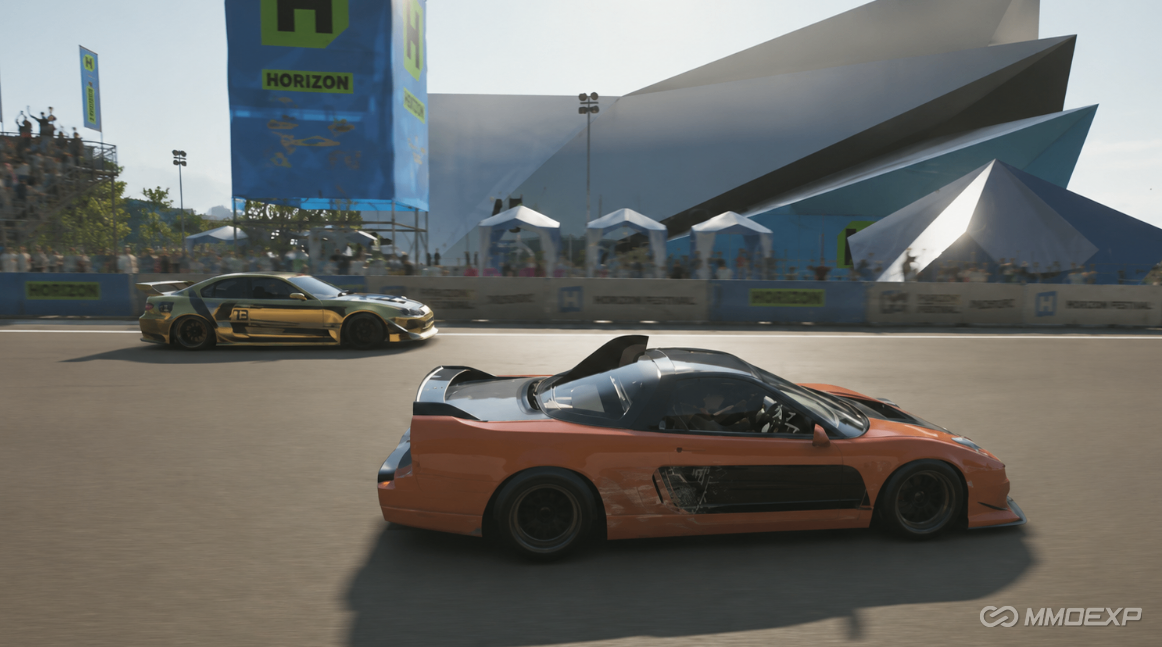
Understanding the Meta Shift in Forza Horizon 6
The Honda NSX-R GT, once a signature meta weapon in Horizon 5, is the perfect test case. Previously, it combined lightweight chassis dynamics, strong acceleration, and forgiving handling. In Horizon 6, however, its baseline A-class configuration feels noticeably underpowered relative to modern AWD builds and high-traction meta setups, especially when players choose to buy Forza Horizon 6 Cars to quickly access stronger, more competitive vehicles early in the progression curve.
A-Class Testing: Why the NSX-R GT Feels Weaker
In its stock or lightly modified A-class form, the NSX-R GT struggles primarily due to drivetrain limitations and traction imbalance.
On paper, rear-wheel drive paired with rally tires should offer a balance of grip and agility. In practice, Horizon 6’s AI and player meta favor:
· AWD acceleration out of corners
· High-torque exit stability
· Aggressive launch speed on short straights
The NSX-R GT’s biggest weakness is not cornering—it still rotates extremely well—but rather corner exit acceleration delay. Competing AWD cars consistently outperform it when transitioning from braking zones to throttle application.
Key Observation:
Even with optimal driving lines, the NSX-R GT loses time on every major exit phase, which compounds over a full circuit.
This creates a scenario where:
· Tight circuits feel manageable
· Mixed circuits become competitive but inconsistent
· High-speed layouts expose its limitations heavily
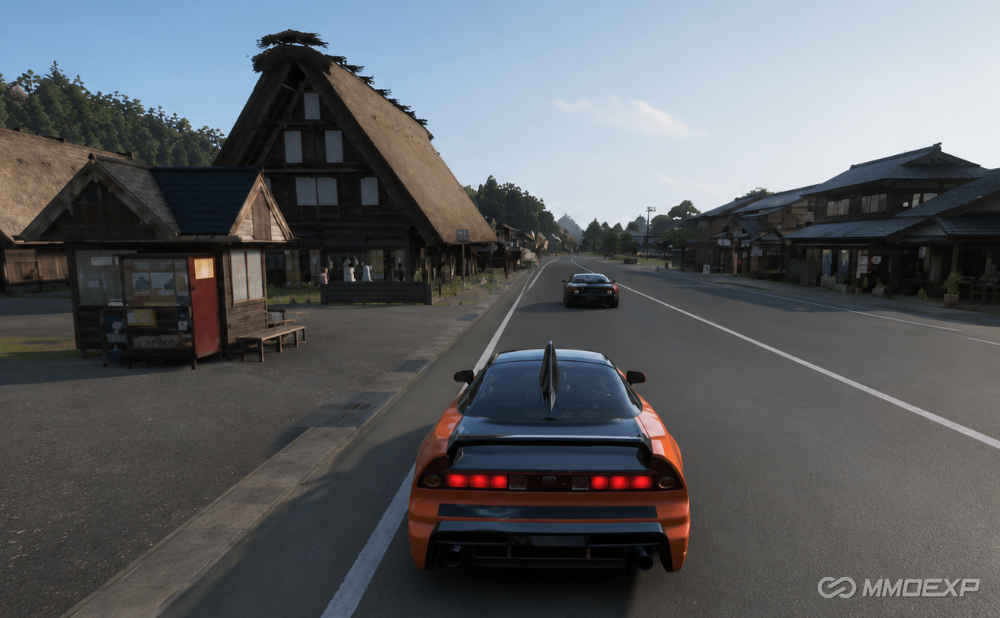
Tuning Experiment: AWD Conversion & Power Builds
Switching to an AWD conversion with drag tires and a high-horsepower setup dramatically changes the car’s identity.
This configuration introduces:
· Massive straight-line acceleration gain
· Improved launch consistency
· Reduced wheelspin unpredictability
However, it comes at a cost: cornering precision degrades significantly. The car becomes heavier in directional changes and requires more braking discipline to avoid understeer.
The trade-off becomes clear:
· AWD build = speed consistency
· RWD build = cornering feel
Neither version fully restores the “broken OP” status the car once had.
S1-Class Testing: Where the NSX-R GT Finds New Life
In S1-class, particularly on hybrid circuits combining long straights and moderate technical sections, the NSX-R GT becomes situationally powerful again.
With high horsepower (including extreme “power build” setups exceeding 1,000 HP), the car demonstrates:
· Exceptional straight-line recovery
· Strong mid-speed stability
· Competitive sprint performance in clean air
But it also introduces instability:
· Severe wheelspin under throttle
· Reduced predictability in heavy traffic
· High sensitivity to traction control settings
In chaotic races or tight technical circuits like complex urban layouts, the car becomes difficult to control consistently.
Track Dependency: The New Definition of “OP”
Unlike previous Forza titles where certain cars dominated universally, Forza Horizon 6 introduces a more context-dependent meta system.
The NSX-R GT is no longer universally overpowered. Instead, its strength depends heavily on:
1. Circuit Type
· High-speed sprint circuits → Strong performance window
· Technical circuits → Weak consistency
· Mixed layouts → Situational viability
2. Opponent Build Types
· Against AWD meta cars → Struggles on exits
· Against power builds → Competitive in corners
· Against balanced builds → Even matchup
3. Tuning Philosophy
· Grip-focused builds improve consistency
· Power-focused builds improve peak speed
· Hybrid builds often underperform in both areas
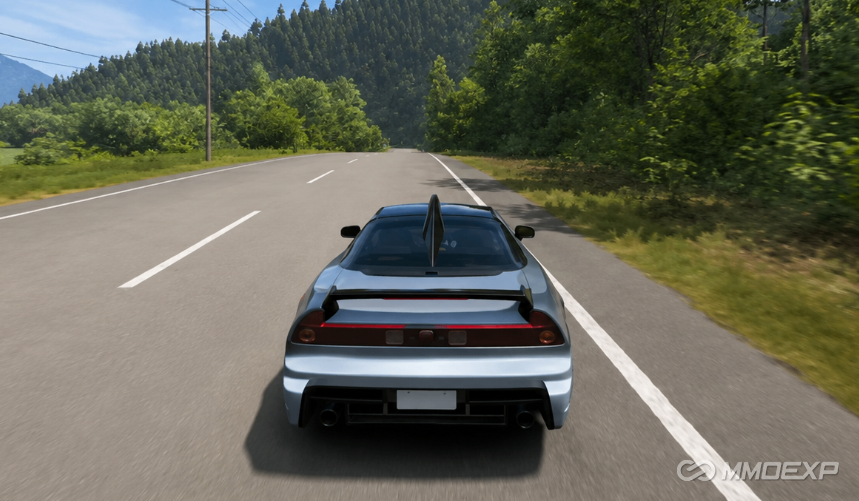
Strategic Driving Adjustments
To extract maximum performance from the NSX-R GT in Horizon 6, driving style becomes more important than raw tuning.
Key adjustments include:
· Earlier braking to stabilize corner entry
· Progressive throttle application on exit
· Avoiding over-rotation in mid-corner phases
· Prioritizing exit speed over apex aggression
Drivers who attempt to replicate Horizon 5-style aggressive cornering will consistently lose time.
Final Verdict: Still Good, No Longer Broken
The Honda NSX-R GT in Forza Horizon 6 is not “dead,” but it is no longer a universal meta-defining vehicle. Instead, it has transitioned into a specialist car:
· Strong in specific sprint and highway scenarios
· Inconsistent in tight technical racing
· Highly dependent on tuning philosophy and track selection
Where it once dominated effortlessly, it now requires deliberate optimization and strategic race selection to remain competitive. In short: the NSX-R GT is still fast—but Forza Horizon 6 has finally forced it to behave like a tool, not a cheat code, especially for players who rely on Cheap Forza Horizon 6 Credits to experiment with multiple tuning setups and adapt more efficiently to the shifting meta.