

summary
The UEE Navy’s carrier doctrine in Star Citizen combines capital ships, escorts, fighters, and torpedo bombers to control the battlefield. By engaging enemies from the front while carrier-based craft attack their flanks, players can exploit defensive weaknesses, deliver powerful torpedo strikes, and protect valuable capital ships. For players looking to strengthen their fleet and prepare for demanding operations, they can also buy Star Citizen AUEC to support their in-game progression and fleet-building goals.
1. Understand the Fleet’s Ship Roles
The first step is recognizing that a carrier does not fight alone. A successful fleet depends on multiple ship classes performing complementary roles.
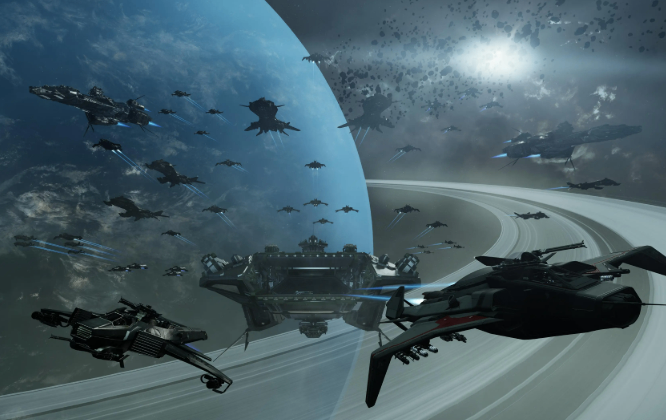
· Javelin destroyers: These provide versatile escort protection. Their anti-ship weapons, anti-fighter defenses, and heavy torpedoes make them useful for protecting larger capital ships.
· Idris frigates: The Idris combines heavy firepower with fighter-carrying capability. Its hangar can support several fighter-sized craft, while its powerful railgun gives it a strong role against large targets.
· Bengal carrier: This is the centerpiece of the doctrine. Its enormous hangar allows it to deploy a complete air wing, including fighters and torpedo bombers such as the Retaliator.
· Hammerhead and support vessels: These ships strengthen the fleet’s defensive screen, particularly against fighters and incoming ordnance.
This structure means the carrier should be viewed as a force multiplier rather than simply another large combat ship.
2. Establish a Strong Main Battle Line
Carrier doctrine begins with controlling the enemy’s attention.
Keep your primary capital ships together and use their weapons to establish a strong forward battle line. Destroyers and frigates can engage hostile capital ships while defensive ships protect the formation from fighters and missiles.
The objective is not necessarily to destroy the enemy immediately. Instead, the main force should fix the opponent in place.
Once the enemy commits resources to fighting the main formation, your carrier aircraft gain an opportunity to maneuver elsewhere.
3. Use Fighters to Establish Space Superiority
Torpedo bombers are vulnerable when operating without protection. Before launching a major strike, deploy fighters to control the surrounding battlespace.
A fighter screen can:
· Intercept enemy fighters.
· Protect torpedo bombers during their approach.
· Attack defensive platforms.
· Destroy incoming missiles and other ordnance.
· Prevent enemy ships from easily pursuing the strike group.
Combat air patrols are particularly valuable because they can react to threats before those threats reach the carrier or its bombers.
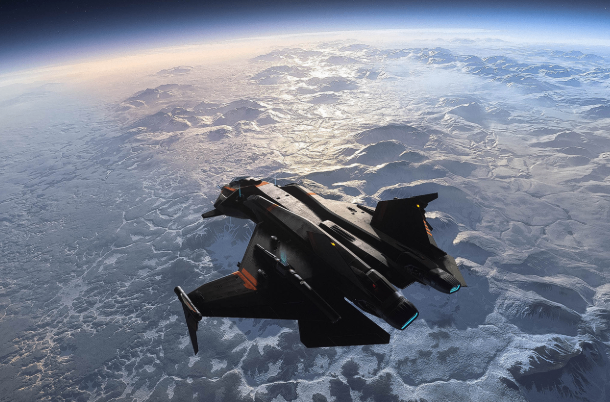
4. Attack the Enemy Flank
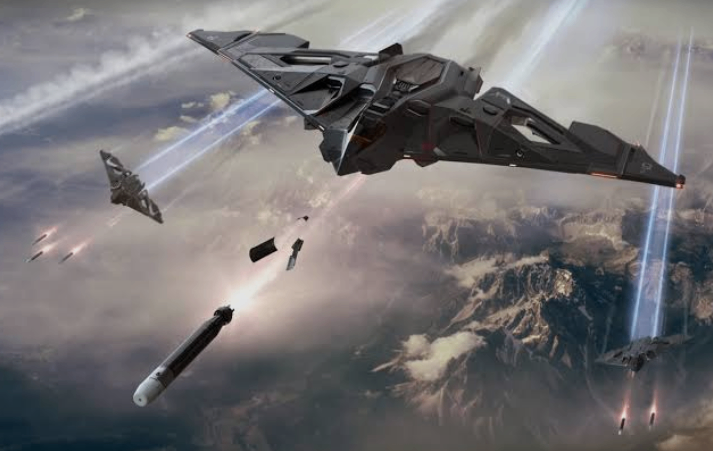
The most important part of the doctrine is the flanking attack.
Large capital ships normally approach through the obvious axis of battle. Torpedoes launched directly toward an enemy formation may have to survive fighter interception, point defense, and flak before reaching their targets.
Instead, use carrier aircraft to approach from another direction.
The sequence is straightforward:
· Engage the enemy with your primary fleet.
· Force hostile ships to concentrate on the main battle line.
· Send fighters ahead to reduce defensive resistance.
· Move torpedo bombers around the enemy formation.
· Attack vulnerable areas from the flank or rear.
· Withdraw the bombers before the enemy can effectively respond.
This approach increases the probability that expensive torpedoes actually reach their targets.
5. Coordinate Torpedo Strikes With Shield Damage
A torpedo attack becomes especially powerful when synchronized with damage from the main fleet.
If capital ships create or exploit a weakness in an enemy's shields, bombers can immediately attack the exposed section. The resulting concentration of damage can overwhelm defenses much faster than independent attacks.
The Battle of Vega II illustrates the principle: the Squadron 42 strike combined surprise, maneuver, and heavy torpedo ordnance against the Vanduul Kingship.
The key lesson is timing. Do not launch every bomber as soon as it becomes available. Wait for the enemy to become occupied, exposed, or otherwise vulnerable.
6. Adapt the Doctrine to Smaller Operations
Carrier doctrine is not limited to massive fleet engagements.
A ship such as the Idris can operate with a relatively small group of fighters and still gain significant flexibility from its hangar. A capital ship deployed with a few escorts can use carrier-based craft to increase patrol coverage, respond to threats, or conduct localized strikes.
For Star Citizen players, this means the principles can be scaled down:
· Keep your primary ship relatively safe.
· Use fighters for reconnaissance and defense.
· Avoid unnecessary exposure of expensive ships.
· Attack from unexpected directions.
· Coordinate multiple ships instead of relying on one vessel.
7. Know When to Change Tactics
Carrier operations are powerful, but they are not universally superior. Enemy missile defenses, fighter superiority, or overwhelming long-range firepower can make a traditional carrier strike dangerous. For players preparing for different combat scenarios, having enough resources to adjust their fleet composition can be useful, making cheap Star Citizen AUEC a relevant consideration when planning upgrades and equipment.
The broader lesson from the UEE Navy is therefore flexibility. Capital ships hold the line, escorts provide protection, fighters control space, and bombers deliver concentrated damage—but the commander must adjust those roles according to the battlefield.
In Star Citizen, the strongest fleet is not necessarily the one with the biggest ships. It is the force that combines positioning, coordination, timing, and specialized roles to make every vessel contribute to the overall battle plan.