









If you're grinding the Angel in the Outfield mode in MLB The Show 26 and trying to push your roster toward the 93-99 tier, the real key isn't just winning games-it's converting in-game performance into progression rewards. This match is a perfect example:dominant early pitching, patient mid-game hitting, and well-timed exploitation of bullpen changes all came together to secure six total upgrades in a single game. If you want faster roster growth, this is the blueprint-and smart MLB The Show 26 Stubs management ensures you can acquire the pieces to complete those upgrades.
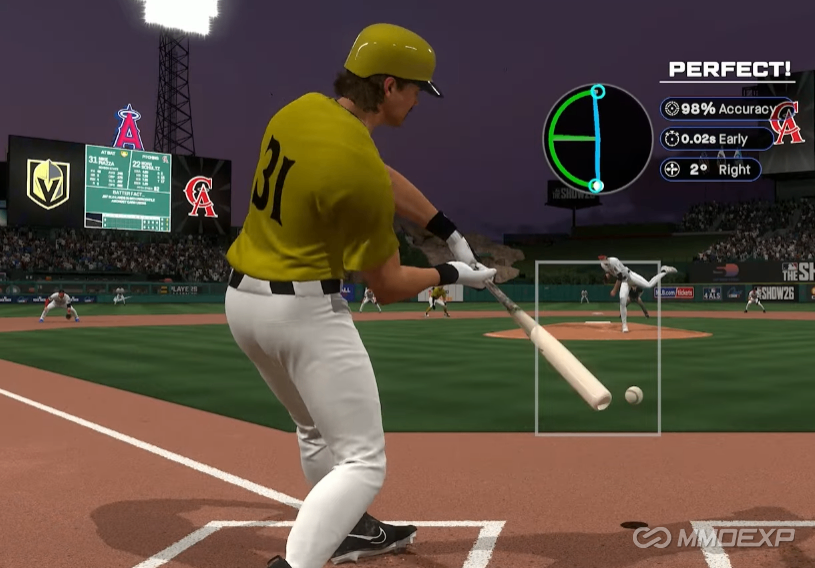
1. Start with pitching control-don't force strikeouts
In this game, starter Noah Schultz set the tone immediately with strong swing-and-miss stuff, nearly delivering a perfect opening stretch. That highlights a core truth:early pitching stability directly shapes your upgrade potential.
Early pitching approach:
Use high fastballs to test timing first
Mix in corner breaking balls to disrupt rhythm
With two strikes, attack the edges-not the center
Focus on outs first, strikeouts second
A clean start builds momentum for pitching-based progression bonuses, which are crucial for multi-upgrade games.
2. Hitting requires patience, not panic swings
Mike Trout had a rough start in this matchup, including a double play and a few near-misses, but later delivered with a home run and key RBI production. The lesson is simple:elite hitters don't force results-they wait for mistakes.
Offensive mindset:
Read pitcher patterns before committing
Avoid low and extreme edge pitches
Punish middle-up "mistake zones"
With runners on base, prioritize advancement over power swings
Hits from Corey Seager and Connor Griffin came from disciplined pitch selection, not aggression.
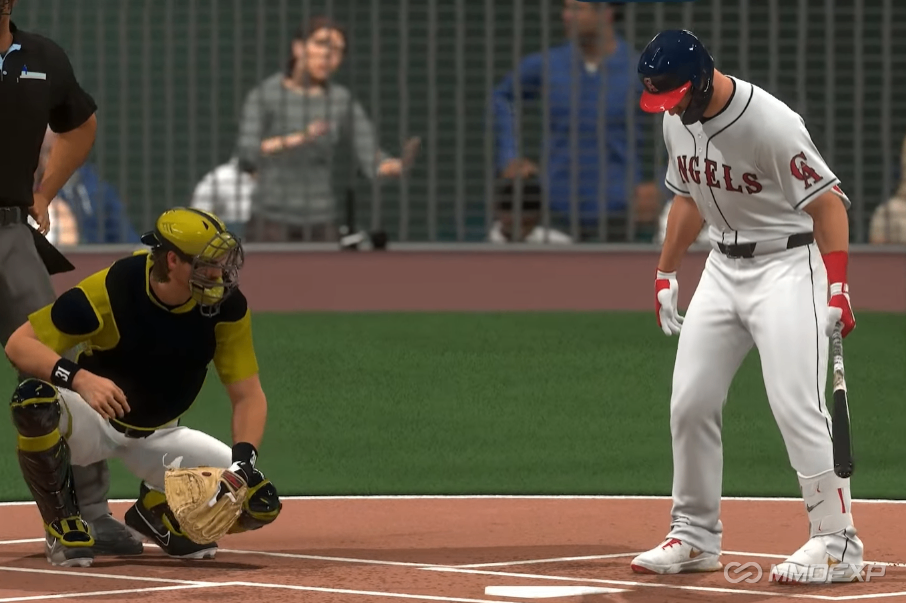
3. Bullpen changes = your biggest scoring window
Late in the game, repeated pitching changes created rhythm breaks-especially lefty/righty swaps. This is one of the most exploitable moments in MLB The Show 26.
How to capitalize:
Attack platoon advantages immediately
Watch the first 2-3 pitches of a new reliever
Be aggressive with runners in scoring position
Don't waste the "adjustment phase" after a substitution
Key RBIs from Garrett Anderson and Hunter Griffin came directly from these transition windows.
4. Upgrade tracking matters as much as winning
The six upgrades in this game didn't come just from the win-they were stacked through multiple performance triggers:
Game result bonus
Pitching strikeouts
Total hits accumulation
Mike Trout's defensive and offensive contributions
Consistent situational hitting
Every plate appearance and defensive play contributes to progression. If you ignore secondary objectives, you leave upgrades on the table.
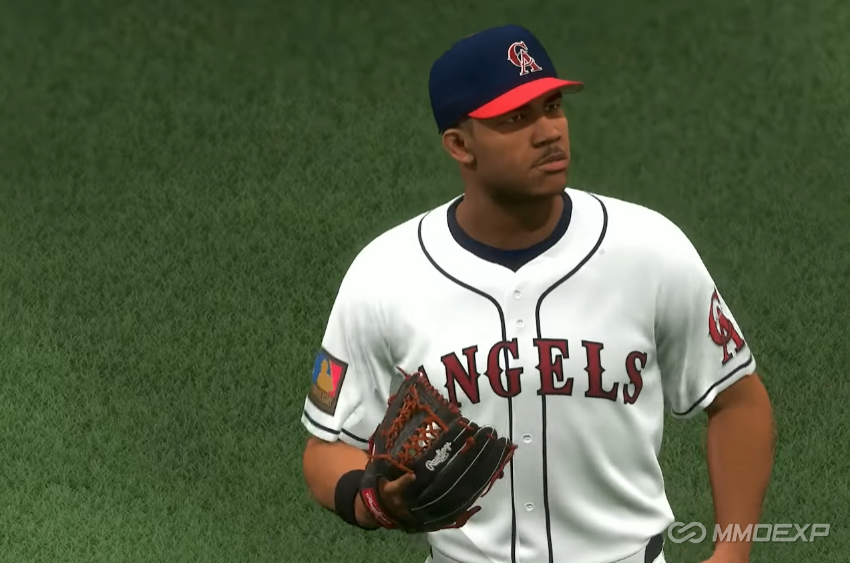
5. Build around roles, not raw overall rating
From this match flow, roster growth depends on role efficiency more than card strength alone.
Focus on:
Core hitters:consistent on-base + RBI production
Pitching anchors:control innings and generate strikeouts
Bullpen depth:stabilize late-game pressure situations
Utility players:flexible defense + situational hitting
At the 93-99 stage, differences in raw stats shrink-but decision-making and usage efficiency separate good teams from elite ones.
Final takeaway
The most efficient Angel in the Outfield progression formula is:
Pitch to control early → Hit with patience mid-game → Exploit bullpen transitions late
If you consistently stack strikeouts, hits, RBIs, and defensive contributions in a single game, multi-upgrade runs like this become repeatable. For players pushing toward the 93-99 tier, this is one of the most stable and efficient progression strategies available-and the MLB Stubs earned from these performances fund your next roster upgrades.