









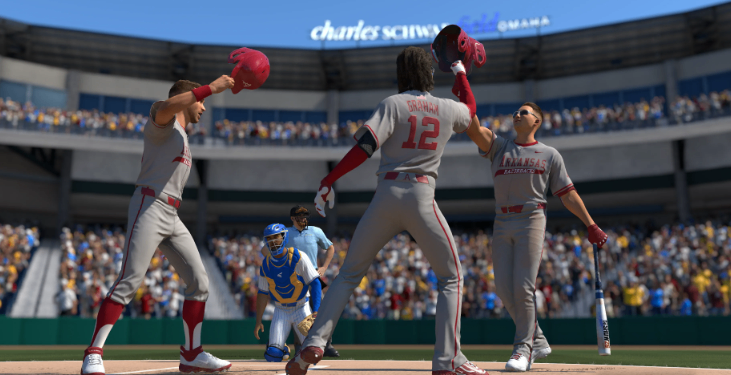
Success in MLB The Show 26 comes from more than overall ratings. The best team is not always the most expensive. Focus on balance, defense, bench depth, bullpen stability, and how well cards perform in real games. Using MLB The Show 26 Stubs wisely and choosing players that fit your roster is often better than chasing the highest-rated cards.
1. The main idea: balance beats hype
The strongest lineup philosophy here is simple:
Don't chase only premium names
Build around players who fit their roles
Keep defense reliable, especially in the outfield
Always have a usable bench
Make sure your bullpen can protect late leads
Use starters who can actually locate pitches
In this game, paper stats matter less than real in-game performance.
2. Key players and why they matter
Pete Crow-Armstrong
A high-diamond Pete Crow-Armstrong is still intriguing, but the hitting profile is not fully elite. The power can be fine, but the contact and overall bat-to-ball feel are not amazing. He is the kind of card that can work, but he is not automatically the best option just because of the name.
Cedric Mullins
The Retro Lightning Cedric Mullins collection reward was a smart value pick. The biggest reason to target him is simple: he was cheap compared to many other collection pieces. If you want a useful card without spending too many stubs, this is the kind of move that makes sense.
Seiya Suzuki
A 97 overall Seiya Suzuki is one of the better spotlight additions. Right-handed bats are valuable in the current environment, and Suzuki gives you another strong offensive option. The low vision is a concern, but the overall bat still makes him worth a look.
Zack Gelof
Gelof is useful, but only if you place him correctly. His arm strength is weak, which makes him risky in the outfield, especially in right field. He is better treated as an infield option or a flexible piece, not a random outfield fix.
Carter Jensen
This left-handed catcher is important because lefty catchers are valuable and rare. He is a strong fit if you want a bench or starting catcher who gives you matchup value without forcing you to use a worse right-handed option.
3. Why the bench matters more than most players think
One of the biggest lessons here is that ignoring the bench will eventually hurt you. A good bench should give you:
A backup catcher
A pinch-hitting option
A speed threat
A defensive replacement
A lefty/righty matchup answer
If your bench cannot help in those situations, your roster is incomplete.

4. Pitching setup: stability wins games
Starting rotation
The rotation needs five arms who can get the job done. That means pitchers who can:
Hit their spots
Mix pitches well
Stay effective under pressure
Avoid giving away easy innings
A control-heavy pitcher like Ranger Suárez stands out because precise location can be more valuable than pure velocity.
Bullpen
The bullpen was described as finally comfortable after fixing Grant Taylor. That matters a lot. A strong bullpen gives you confidence late in games and stops small leads from collapsing.
5. What to do in tough games
When games feel laggy, strange, or inconsistent:
Stay patient at the plate
Use your bench more aggressively
Don't force bad swings
Trust defense in the outfield
Use pitchers who can locate, not just throw hard
Also, don't get trapped by the idea that one card must carry everything. Sometimes the best approach is just building a roster that covers every weakness.

6. Final takeaway
The real lesson from this lineup build is that winning in MLB The Show 26 comes from structure, not just star power. A good outfield, a functional bench, a dependable rotation, and a bullpen you trust will usually beat a flashy roster with bad balance. For players looking to improve faster, buy MLB The Show 26 Stubs can be a useful option when building a more balanced roster.
If you build smart, use matchup advantages, and value defense as much as offense, your team will feel much stronger in actual games.