










If you’re grinding MLB The Show 26 and want to avoid easy mistakes while putting up more runs, this guide is for you. Based on real in-game experience, the key factors are clear: roster construction, pitch sequencing, base-running reads, and on-the-fly camera adjustments. Get these right, and you’ll close out games cleanly. Get them wrong, and you’ll hand over comeback wins. And if you want to accelerate your team-building without waiting, you can buy MLB The Show 26 Stubs to grab the players you need—but remember, smart selection beats high overalls every time.
1. Player Cards: Overall Rating Isn’t Everything
A perfect example from live play is the 98 overall PCA card. On paper, it looks elite. In practice, it underperforms for a few clear reasons:
· Extra bunt / small-ball attributes don’t add much value
· Low Vision stat for a high-OVR card
· Below par hitting power for a 98 – it just doesn’t drive the ball enough
· The takeaway: never judge a card by its overall appearance alone. In MLB The Show 26, the stats that actually stabilize your lineup are:
· Power
· Vision
· Predictions vs. LHP / RHP
· On-base ability
· Swing feedback/pre swing feel
By contrast, a card like Zack Gelof gets much better reviews – his attributes translate directly to game speed production. He’s the type of player who can hit second, spark rallies, and create threats in big RBI spots, making him a much better fit for a competitive main roster.
2. Lineup Construction: Create a Chain Reaction
The lineup strategy here is straightforward:
· PCA in the leadoff spot – focus on getting on base, not slugging
· Gelof in the 2 hole – responsible for advancing runners and converting opportunities
· Rest of the core – built around high quality contact bats to drive runs home
Why this works:
The leadoff man creates chances
Even if PCA isn’t a power threat, if he reaches base, he puts pressure on the defense and sets the table.
The 2-hole hitter must be an efficient converter
Gelof fits perfectly because the 2 spot isn’t about homers – it’s about:
· Putting the ball in play in key counts
· Advancing the runner
· Bridging the gap to the middle of the order
The back half finishes the job
Your true power bats should hit with runners in scoring position. That’s where they cash in runs.
3. Pitching Core: Rhythm, Location, and Mix – Not Just Heat
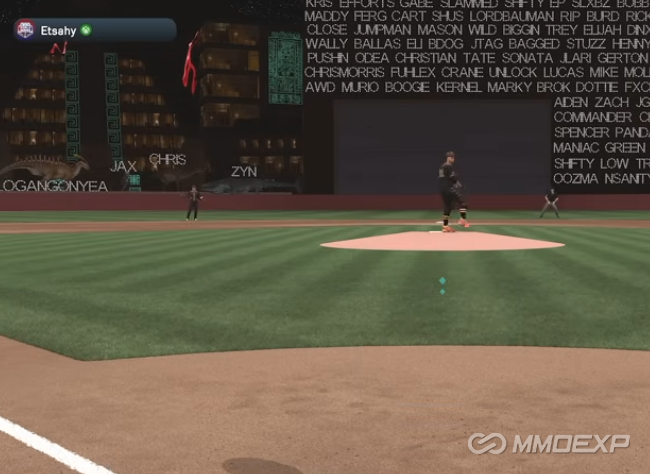
This is where the guide really shines. Arms like Sandy Alcantara, Nolan Ryan, and Tarik Skubal are nasty, but you can’t just spam pitches and expect wins.
Key points to focus on:
· Start with the command early
If you get ahead in the count early, the whole inning gets easier. If the opponent picks up your release and timing in the 1st, you’ll get hit hard all game.
· Inside fastballs are a double edged sword
The phrase “inside heaters are cruel” says it all:
· Well located → you control the at-bat
· Miss your spot → you give up pulled extra base hits
· So don’t overuse the inner half – mix it with other pitches.
· Off-speed must contrast with your fastball
If the opponent starts sitting on the heater, switch it up:
· Use the fastball to establish a speed baseline
· Break their timing with curveballs, sliders, or changeups
· Work low in the zone to induce whiffs or weak contact
· Know when to pull your starter
There’s a clear signal in live play: once the opponent starts “seeing” your primary pitch clearly, staying with it only increases the risk of big innings. In MLB The Show 26, timely pitching changes are critical – don’t get attached.
4. Defense and Base Running: Details Decide Close Games
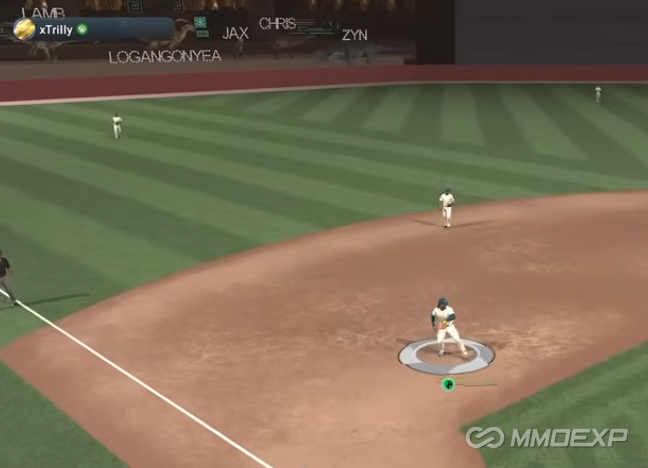
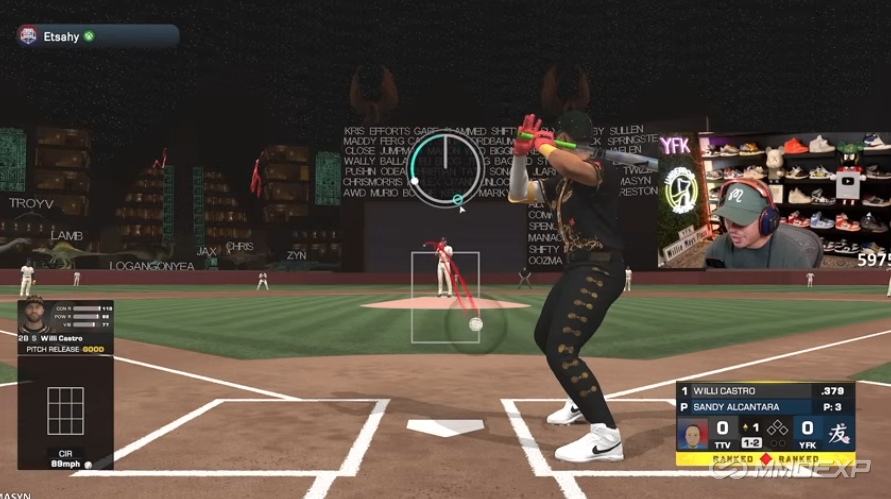
One recurring issue in this matchup was poor throwing and tag execution – arriving ahead of the runner but still not recording the out. That kills momentum.
Defensive must-dos:
· Pre-read flyball trajectories for outfield throws
· Make quick, clean relay throws from the infield
· With a runner on 3rd, prioritize preventing extra bases over trying for a highlight play
· On high choppers and down the line grounders, be decisive – don’t hesitate
5. Stealing Bases: Read the Situation, Don’t Just Run
Steals were frequent in this game, but they also exposed a problem: not every attempted steal is worth it.
Good steal opportunities happen when:
· You’ve picked up the pitcher’s timing or slide step
· The opposing catcher has an average arm
· Your runner has a clear speed advantage
· The score and park dimensions allow for the risk
Also, a key in-game tactic: once a runner reaches a key base, immediately think about the next base’s scoring value.
Turning 1st to 2nd or 2nd to 3rd means a single can score that runner – that’s how rallies turn into crooked numbers.
6. Hitting Tips: Don’t Be Afraid to Switch Camera Views
A great observation from live play: sometimes switching to the high strike zone camera and then back to your default view noticeably improves your swing timing.
What this tells us:
In MLB The Show 26, hitting isn’t about locking one camera forever – you should adjust based on the opponent’s pitch sequencing and release points.
General hitting advice:
· Pull inside pitches aggressively
· Don’t chase high heat out of the zone
· Check if low pitches are actually balls before swinging
· With two strikes, tighten your zone and protect smartly
· If you’re getting dominated, take a breath – don’t swing desperately
Against power arms like Nolan Ryan, the most common traps are:
· Chasing bad pitches
· Losing your timing
· Rolling over or striking out repeatedly
So against elite pitching, the plan isn’t “battle power with power” – it’s selectivity + patience + waiting for a mistake.
7. Playing from Behind: Stop the Bleeding First, Then Rally

One of the best lessons from this game: even after falling behind big, the team fought back. The key wasn’t panic – it was a two step process.
Step 1 – Stop the bleeding:
· Make timely pitching changes
· Avoid walks at all costs
· Stop feeding the opponent’s hot zones
Step 2 – Answer quickly on offense:
· Create pressure by getting men on base
· Rely on your 2 hole and middle order bats to drive gaps
· Use extra base hits or well placed singles to claw back runs
In MLB The Show 26, comebacks aren’t about one miraculous play – they’re about stringing together several correct decisions in a row.
8. Final Takeaway: “Details” Are What Win You Games
If we sum up this entire session in one line:
High overall doesn’t mean best – the real MVPs are players who produce consistently in actual gameplay.
Core reminders:
· 98 PCA isn’t an auto include for every roster
· A bat like Gelof – with real world translation – is more trustworthy
· Pitch with rhythm, location, and mix – not just velocity
· Base running and defensive fundamentals raise your ceiling
· On offense, adjust the camera, track pitches, and hunt your pitch
9. One Final Piece of Advice for MLB The Show 26 Players
If you want to consistently score and win – not just chase shiny card art – the real rank-boosters are:
· Reading pitch sequences
· Understanding your lineup’s roles
· Controlling the game’s tempo
· Staying composed in high-leverage moments
Master these, and your win rate will naturally climb. To play with more stability, more authority, and more lockdown presence in MLB The Show 26, it all comes down to two words: live reps. Of course, having the right personnel makes a difference too—if you're looking to fill gaps quickly, you can always buy MLB Stubs to target specific upgrades—but no amount of stubs can replace the fundamentals listed above.