









Summary
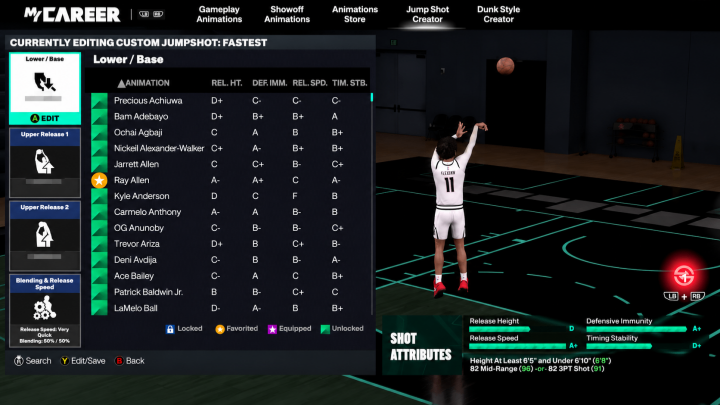
NBA 2K26 players are searching for the quickest way to get shots off before defenders can react. According to community testing and 2K Labs, the Kevin Huerter Base combined with Kyle Korver Release 1 and Release 2 creates the fastest jump shot in the game. Here's how it performs and whether it's worth using.
Step 1: Discover the Fastest Jump Shot in NBA 2K26
Every NBA 2K release introduces new jump shot metas, and NBA 2K26 is no different. While many players stick with one reliable jumper throughout the season NBA 2K26 MT, the community recently discovered an incredibly fast animation that has quickly become one of the hottest topics in Park gameplay.
Based on testing shared by 2K Labs, the current fastest jump shot uses:
Base: Kevin Huerter
Release 1: Kyle Korver
Release 2: Kyle Korver
This combination prioritizes pure release speed over everything else, allowing shooters to fire before defenders have enough time to contest properly.
For guards and perimeter scorers who rely on creating just a small amount of separation, this jump shot immediately stands out.
Step 2: Test the Jump Shot in the Toughest Environment
Instead of testing the jumper in Park or Theater, the player chose the 1v1 court.
The reason is simple.
Green windows in Park can sometimes feel more forgiving due to latency and gameplay settings. In 1v1 situations, every possession matters, making it the perfect place to evaluate a brand-new jump shot without relying on teammates.
Without any practice shots beforehand, the goal was straightforward:
Learn the release timing naturally.
Test contested shooting.
Measure consistency under pressure.
See if the speed actually translates into wins.
Testing in a competitive environment provides a much better picture of a jump shot's real performance.
Step 3: Understand the Biggest Strength—Release Speed
The first thing that becomes obvious is just how incredibly fast the Kevin Huerter base really is.
Once a defender gives even the smallest amount of space, the shot is already in the air before they can recover.
This creates several advantages:
Faster catch-and-shoot opportunities.
Easier pull-up jumpers.
Better punishments against defenders who sag off.
Stronger shot creation after dribble moves.
Less time for contests.
Throughout multiple games, opponents repeatedly underestimated how quickly the animation activated.
Several defenders backed up expecting a drive, only to watch another green release fly past them.
For isolation players, this speed can completely change offensive pacing.
Step 4: Learn the Weakness—Low Release Height
Although the release speed is elite, the jumper isn't perfect.
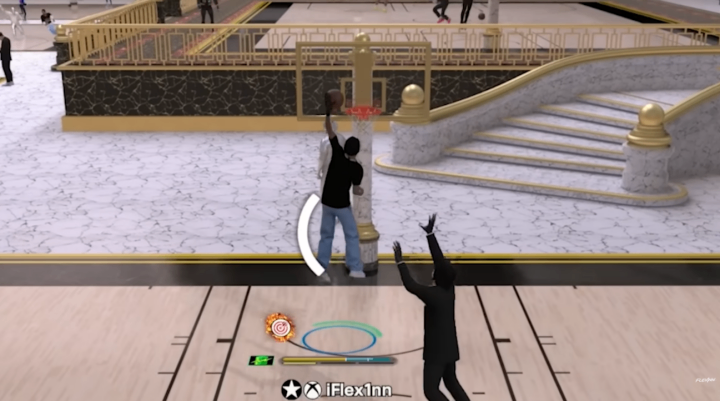
Its biggest drawback is the relatively low release point.
Compared to taller jump shot bases, the Kevin Huerter animation releases lower, making it slightly easier for long defenders to contest or block if they're already close enough.
This means players must be smarter with shot selection.
Instead of forcing heavily contested shots, it's better to create a small amount of separation first using:
Stepbacks
Hesitation dribbles
Crossovers
Speed boosts
Rim pressure to force defenders backward
Once defenders hesitate, the lightning-fast jumper becomes much harder to stop.
Step 5: See How It Performs in Real Games
The testing session included multiple consecutive 1v1 games against different player builds.
Early on, the timing required a little adjustment.
Missing a few open shots wasn't caused by poor animations—it simply took time to learn such an unusually fast release.
After only a handful of games, however, the consistency improved dramatically.
Some notable performances included:
4-for-6 shooting in the first game.
Multiple perfect shooting games afterward.
A dominant 7-for-7 performance.
Several long win streaks.
Numerous green releases after creating minimal space.
As familiarity increased, the jumper became noticeably easier to time.
Step 6: Combine the Jumper with Aggressive Offense
One reason this jump shot works so well is because it complements aggressive offensive gameplay.
Instead of relying solely on shooting, players constantly threatened:
Rim runs
Contact dunks
Crossovers
Hop jumpers
Quick pull-ups
Defenders became trapped in impossible situations.
If they played too far back, the shooter knocked down open threes.
If they stepped up to defend the perimeter, explosive drives resulted in uncontested dunks.
This constant guessing game is exactly what makes elite NBA 2K26 offense so dangerous.
The jumper itself isn't the only weapon—it amplifies every other offensive option.
Step 7: Watch How Defenders React
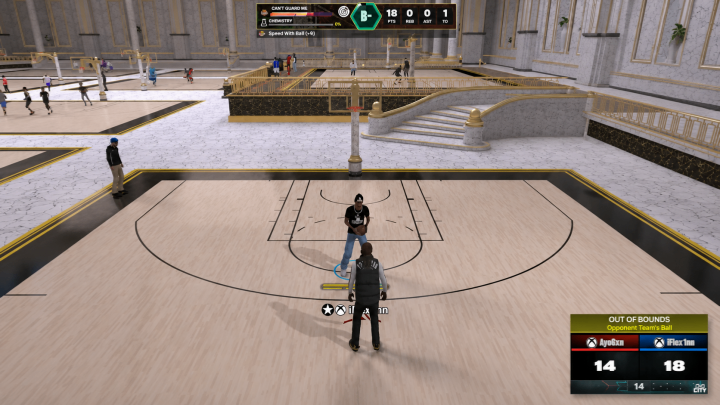
One surprising takeaway was how many defenders simply couldn't adjust.
Throughout the session:
Opponents repeatedly sagged off.
Players jumped too early.
Defenders overcommitted to drives.
Many couldn't recover after ankle breakers.
Several contests arrived after the ball had already been released.
The incredibly fast animation forced defenders into rushed decisions.
Even experienced players often mistimed their contests because they expected a slower shooting motion.
That unpredictability becomes a huge competitive advantage.
Step 8: Master the Timing
Because this jumper is so fast, normal shooting habits may actually hurt consistency.
Instead of rushing every input, slowing down slightly on the shooting rhythm proved much more effective.
The player eventually realized that smoother stick movement produced significantly more green releases.
Learning the rhythm requires patience, but once mastered, the shot feels extremely reliable.
Players switching from slower bases should expect a brief adjustment period before seeing consistent results.
Step 9: Is It Better Than Other Popular Jump Shots?
Throughout testing, comparisons naturally emerged.
One frequently mentioned alternative was the Paul Reed base.
After extensive gameplay, the Kevin Huerter base appeared noticeably quicker.
While Paul Reed still offers excellent performance, Kevin Huerter seems to provide an extra level of release speed that makes close contests much harder.
However, players who prioritize release height over speed may still prefer other bases.
Ultimately, the best choice depends on individual playstyle.
Step 10: Final Rating—Should You Use This Jump Shot?
After multiple wins and a lengthy streak on the 1v1 court, the overall verdict was overwhelmingly positive.
Pros
Fastest release currently available.
Excellent for guards.
Punishes defenders who sag off.
Creates difficult contests.
Great after dribble combos.
Easy to chain into isolation offense.
Cons
Low release height.
Requires practice to master timing.
Slightly easier to block if defenders stay close.
Overall Rating:
9/10
The only factor preventing a perfect score is the lack of release height. If the animation released just a little higher, it could easily become one of the strongest jump shots in NBA 2K26.
Final Thoughts
The Kevin Huerter Base with Kyle Korver Release 1 and Release 2 has quickly earned a reputation as the fastest jump shot currently available in NBA 2K26. Its lightning-fast release allows skilled players to capitalize on even the smallest defensive mistakes, making it an excellent choice for guards, Park players, and anyone who thrives in isolation situations.
While the lower release point means you'll need to create space before shooting, the overwhelming speed more than compensates for that weakness. After only a few games, players can expect improved consistency, Cheap NBA 2K26 MT, faster offensive flow, and far more opportunities to punish defenders who hesitate.
If your current jumper feels too slow against elite competition, this build is definitely worth trying. With practice, it has the potential to become one of the most effective offensive weapons in NBA 2K26's early meta.