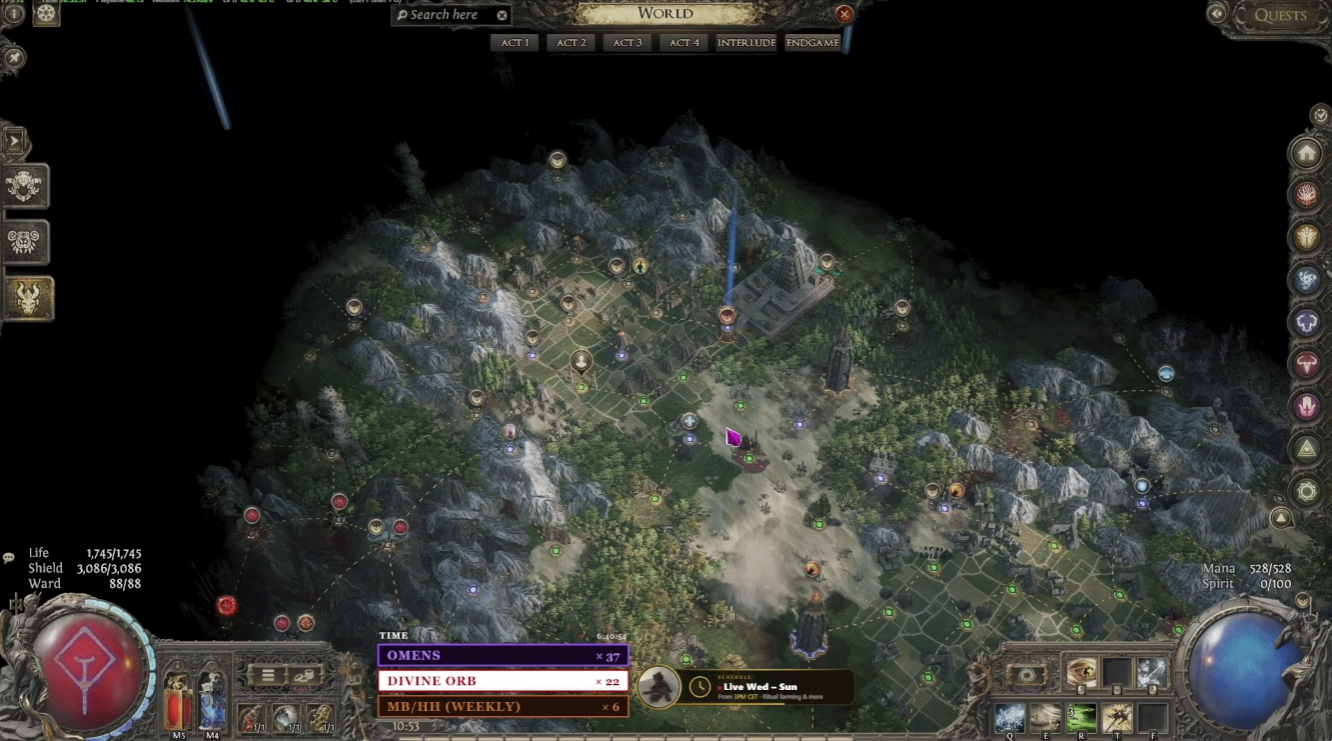





Summary
This guide breaks down the proven Ritual farming strategy that delivers a full Mirror of Kalandra in roughly nine days of consistent mapping. The system uses tiered tablet setups, Tier 15 corrupted waystones with strict stat filters, and intentional switching between two Atlas Ritual nodes to sustain high Omen output. Core profit data shows roughly 5,200 Divine Orbs over nine days, averaging 100 to 120 Divine per hour alongside 30 to 35 daily Omens and occasional jackpot drops like Mageblood and Headhunter. Omens hold steady market value against league inflation, making this one of the most reliable methods for earning consistent POE2 Currency without requiring expensive item rarity stacking or complex multi-mechanic setups. Many players choose to buy POE2 Currency to skip the early grind and jump straight into endgame farming setups.
How the 9-Day Mirror Ritual System Works
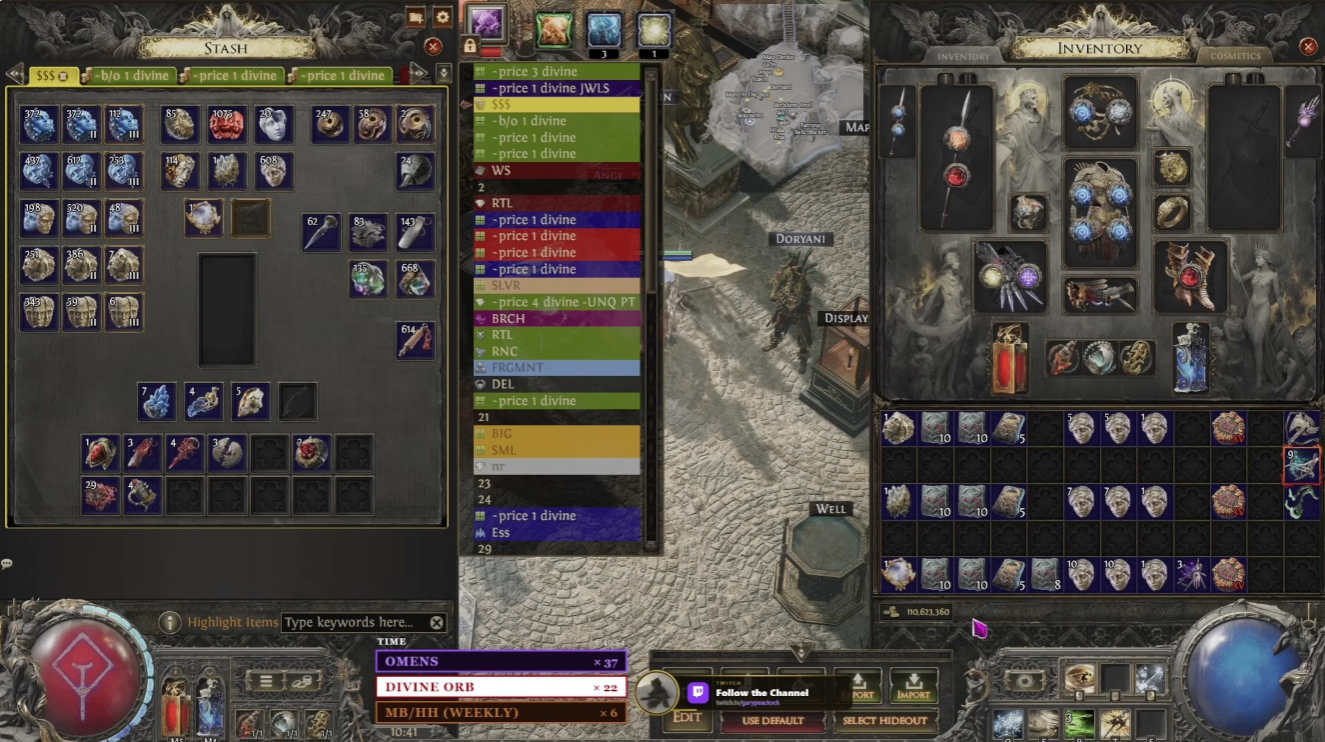
Ritual farming has emerged as one of the most consistent endgame currency strategies in Path of Exile 2. A fully optimized Ritual build can generate a second Mirror of Kalandra in about nine days of steady play, down from the three weeks typically needed for a first Mirror.
The system revolves around Omens — high-value Ritual rewards that hold their market value well throughout a league cycle. Unlike raw currency drops that fluctuate with patch changes, Omen prices remain stable and even tend to rise over time, giving the strategy strong inflation resistance.
The setup is intentionally low-effort. Players run one core tablet configuration for 80 to 90 percent of their maps, with only one mandatory Atlas node switch required when high-value Omens pile up in the deferral queue. No Delirium stacking is needed, and item rarity gear provides almost no benefit to Ritual loot, keeping entry costs accessible.
Tiered Tablet Setups for Every Budget
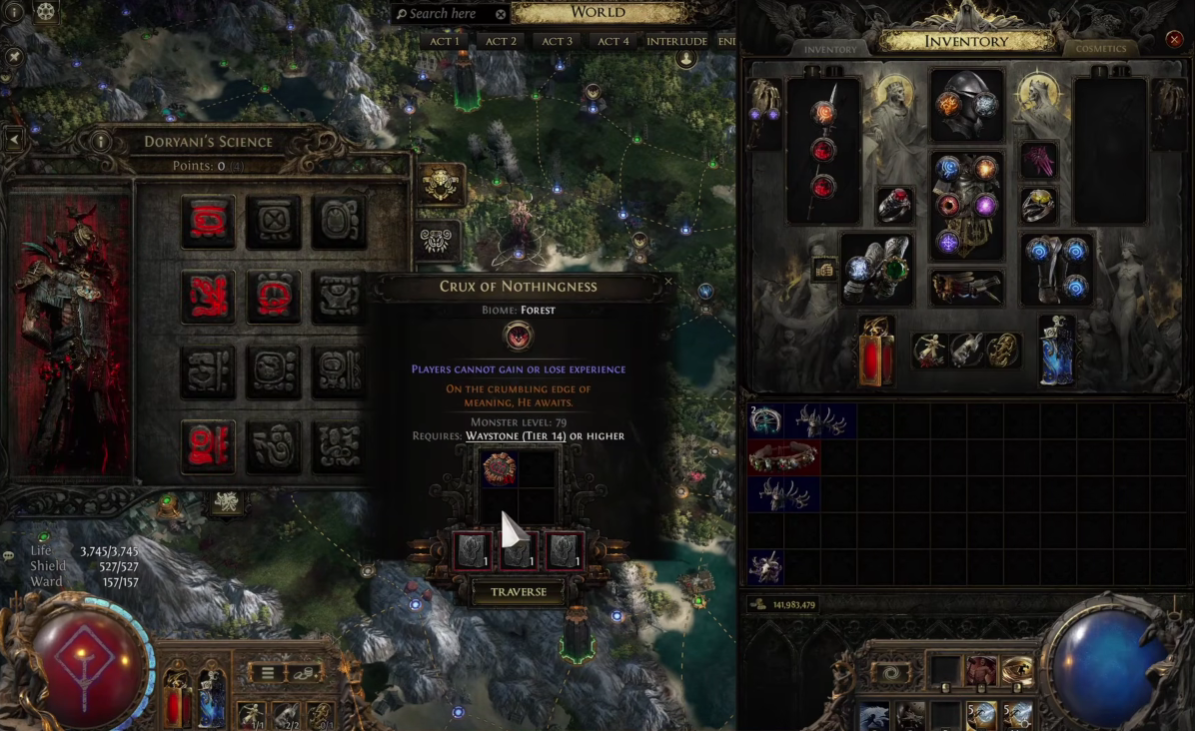
All Ritual tablet builds share two core affixes: roughly 70 percent increased chance for Ritual favors to become Omens, and increased waystone quantity found per map. From there, three loadouts cater to different wealth levels.
The budget entry setup uses two basic tablets costing around 5 Divine each, paired with the Freedom of Fate unique tablet for double re-rolls. The full 10-Divine package delivers strong profit margins and is the recommended starting point for most players.
The mid-tier scaling setup upgrades to roughly 7-Divine tablets that add pack size modifiers, which helps fix tribute shortages during longer mapping sessions. This is the sweet spot for players who want consistent output without overspending.
The high-cost city-map exclusive setup uses 10-Divine tablets stacked with monster rarity and effectiveness modifiers, plus an expensive tablet granting three extra re-rolls. The full build costs nearly 30 Divine total and yields lower profit margins. It is only recommended for the final city maps in each atlas section, not for general mapping.
Waystone Selection: Why Tier 15 Beats Tier 16
Map tier selection is one of the most counterintuitive parts of the build. Extensive testing has confirmed that Tier 16 maps significantly underperform for Omen farming, with multiple six-hour test runs producing only 18 Omens — well below the reliable baseline of 20 or more every six hours.
Swapping to Tier 15 maps immediately restores consistent high Omen output, making T15 the clear choice for dedicated Ritual farming.
When rolling corrupted waystones, players should prioritize a minimum of 125 percent waystone drop chance, combined with three core stat thresholds: at least 40 percent monster rarity, 25 percent pack size, and 25 percent modifier effectiveness. Item rarity can be ignored entirely, as it offers negligible gains to Ritual-specific rewards.
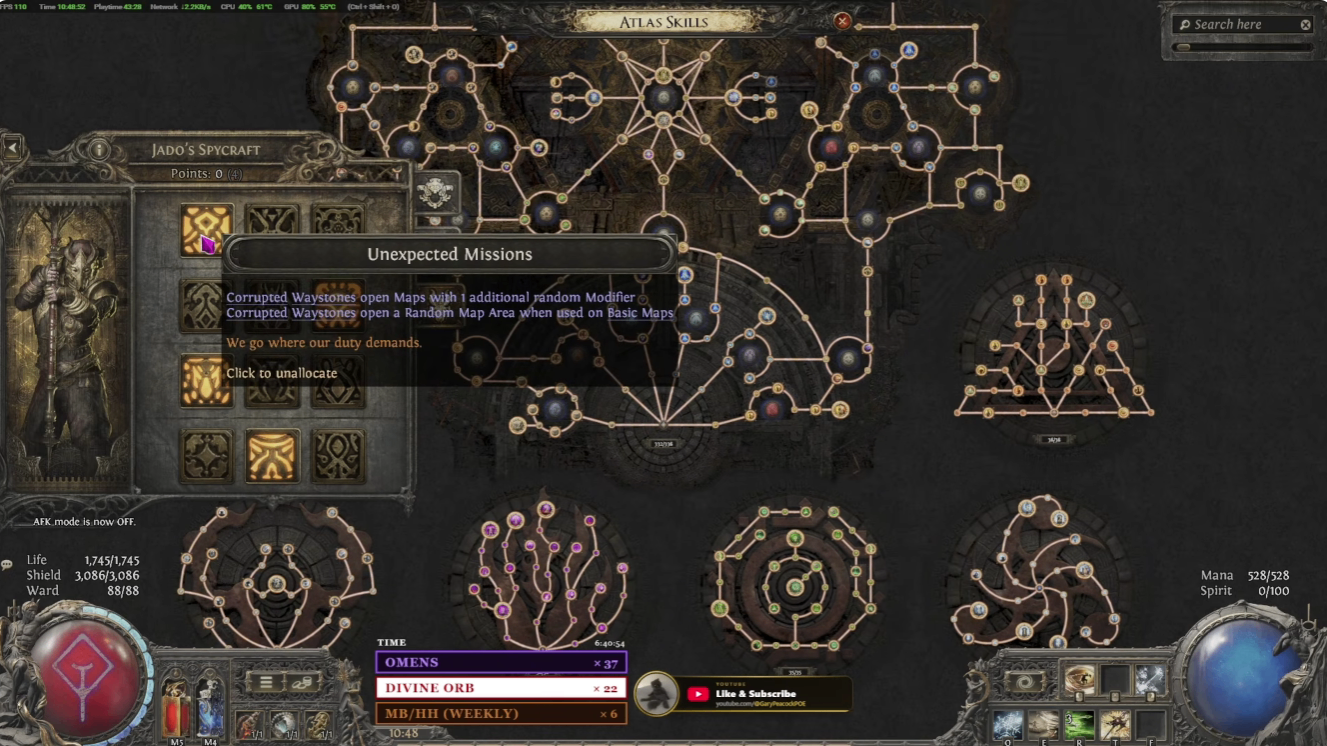
Atlas Tree Setup and Node Switching Logic
The foundation of the Atlas build is the Jado unexpected missions passive, which gives corrupted waystones an extra random modifier to boost tablet effects. The single most important node is Partial Translations, which provides a 40 percent increase to explicit modifier effectiveness on all Ritual tablets — directly raising Omen spawn rates across every map.
Players stay locked on Ritual Node 2 for most mapping sessions. This node adds 10 percent extra favors from all Ritual altars, and the extra tribute pairs perfectly with high Omen-chance tablets to maximize drops.
Switching to Ritual Node 3 becomes necessary once 5 to 6 high-value Omens accumulate in the queue. These premium Omens cost 20,000 to 25,000 tribute each to defer or purchase, and Node 3 reduces tribute penalties to clear stock faster.
An observed farming pattern from extended testing: accumulating too many undeferred Omens suppresses new Omen spawn rates. Players rarely see more than two consecutive high-output days before drop chances fall off, making regular Omen clearing essential to sustain long-term earnings.