





Summary
Path of Exile 2 Patch 0.5.4 significantly expands Expedition and Ruins of Al'Dar endgame systems through a new Atlas Passive Tree. The update also introduces improvements to unique item leveling, new corruption mechanics, and additional ways to customize risk-versus-reward gameplay. This guide explains the most important changes and how players can use them efficiently.
Understanding the New Ruins of Al'Dar Atlas Tree
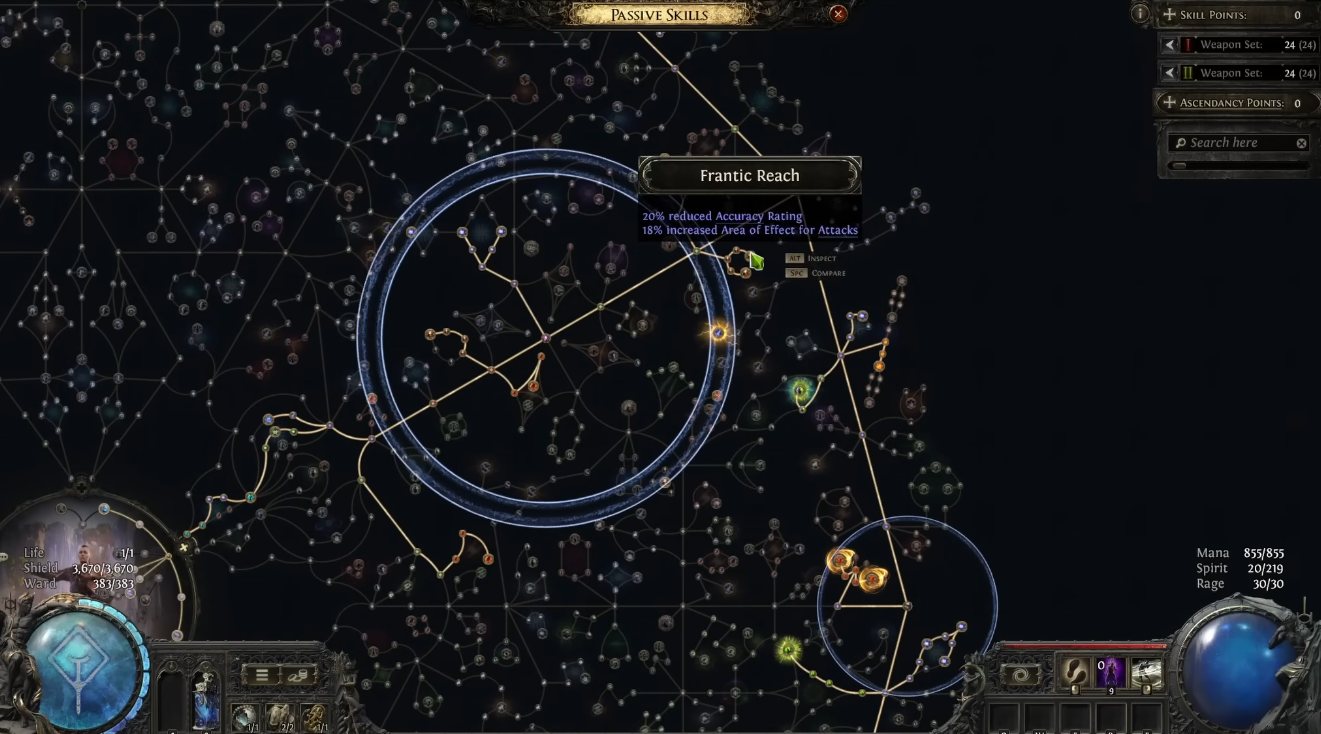
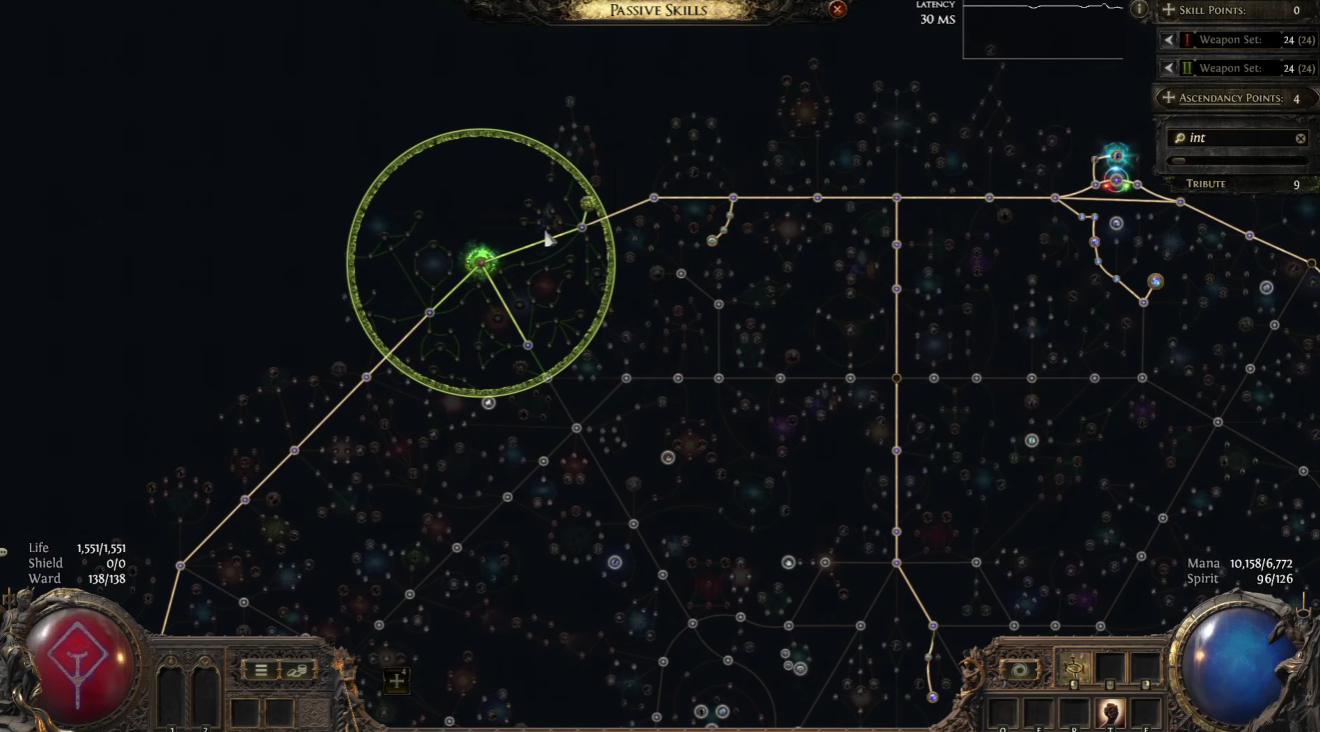
The centerpiece of Patch 0.5.4 is the dedicated Atlas Passive Tree for Ruins of Al'Dar content. The tree contains 24 passive points, including 12 notable nodes, allowing players to specialize in different aspects of the mechanic.
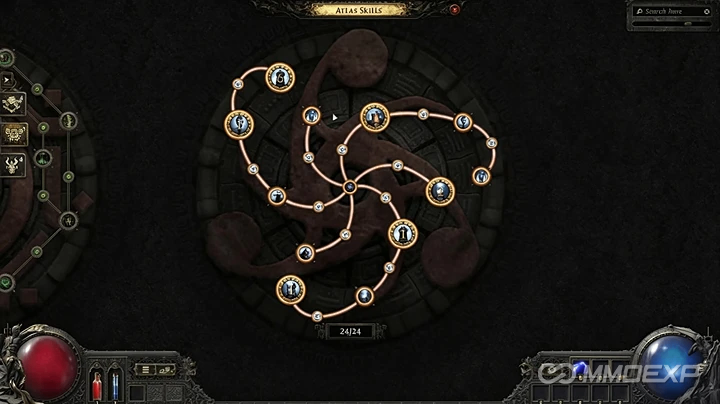
Rather than treating Expedition and Ruins encounters as isolated events, players can now tailor their Atlas progression toward specific rewards. This flexibility makes it easier to focus on content that aligns with a particular farming strategy or character build.
When planning your Atlas path, decide early whether you want to prioritize Remnants, traditional Expeditions, or Grand Expeditions. Concentrating your points on one objective generally produces more consistent rewards than spreading investments across multiple mechanics.
Step 1: Choose Between More Remnants or More Expeditions
One of the first decisions in the new Atlas Tree is selecting whether to increase the frequency of Remnant encounters or improve Expedition encounter rates.
Players seeking faster map progression may prefer additional Expeditions, while those interested in specialized rune-based rewards can focus on Remnants. Your choice should reflect the type of content you intend to farm most frequently during endgame mapping.
Because passive points are limited, building around a clear objective will improve overall efficiency.
Step 2: Take Advantage of Rune Reroll Currency
Patch 0.5.4 introduces a new currency item sold by Farrul using Veridian resources.
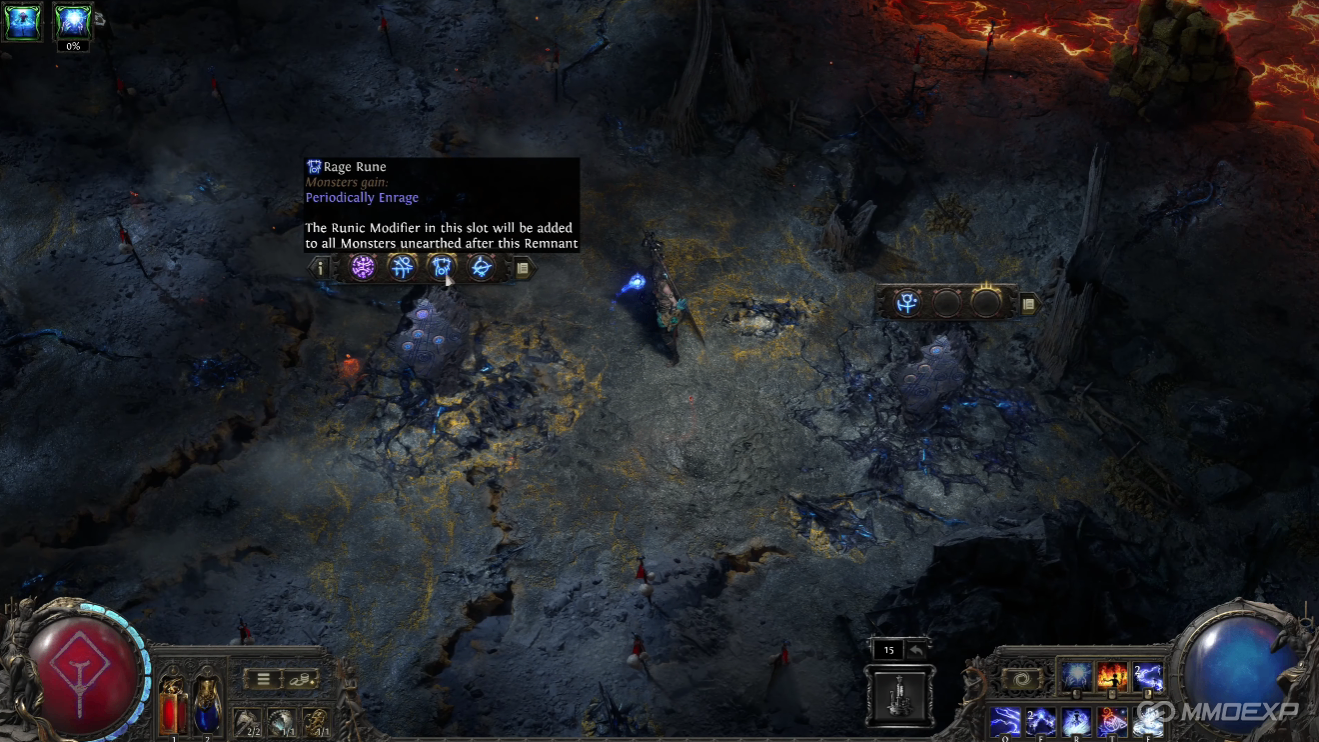
This item allows players to reroll unwanted Runic Inscriptions and restart encounters for different rewards. Instead of accepting poor outcomes, players gain greater control over encounter value and can repeatedly search for more desirable reward combinations.
This feature becomes particularly useful when targeting valuable crafting materials, rare drops, or specific progression resources.
Step 3: Customize Expedition Encounters for Better Returns
The Atlas Tree introduces several options that modify Expedition gameplay.
Examples include:
Additional explosives
Additional Remnants
Increased Logbook acquisition
Enhanced encounter rewards
The most suitable option depends on your farming goals. Logbook-focused players should prioritize nodes that increase drop frequency, while reward-focused players may gain more value from modifiers that improve monster rewards and encounter density.
Managing these choices carefully can improve both efficiency and profitability over long farming sessions.
Step 4: Utilize Veridian Sentries Effectively
One of the new mechanics introduced in Patch 0.5.4 is the Veridian Sentry.
These special objects can appear during Expedition encounters. When unearthed, they empower nearby enemies with additional Runic effects, increasing both encounter difficulty and potential rewards.
Before activating a Veridian Sentry, evaluate your character's survivability and damage output. Stronger builds can benefit from the increased reward potential, while weaker characters may struggle against the enhanced enemies.
This mechanic is particularly attractive for players focused on generating valuable loot and accumulating POE2 Currency through high-reward farming strategies.
Step 5: Specialize Grand Expeditions
Grand Expeditions receive additional support through several notable Atlas passives.
Players can:
Add a third modifier to Grand Expeditions
Reduce the number of monsters required to progress encounters
Cause unearthed enemies to spawn with reduced life
These bonuses improve encounter speed and efficiency while maintaining reward potential.
For players running large numbers of maps, reducing encounter duration can significantly increase overall farming output without sacrificing profitability.