









Summary: Cloud Imperium Games (CIG) has officially pushed Star Citizen Alpha 4.10 into the PTU (Public Test Universe) All Waves phase. This wide-open testing tier means every single game backer can now download the latest test build and experience the massive structural gameplay rebalances firsthand.
While the patch introduces highly anticipated feature overhauls, a sudden and brutal change to the Quantum Hydrogen Fuel system has left the community locked in a fierce, widespread debate across Spectrum and Reddit. If you plan to fly out into the Verse this weekend, your entire long-distance travel and fleet flight strategy is about to change.
Here is your definitive, deep-dive guide to the official Star Citizen Alpha 4.10 patch notes, the massive ship fuel nerfs, weapon velocity balance shifts, and how to optimize your setup for the aggressive new traversal meta.
Star Citizen Alpha 4.10 Key Patch Notes & Features
The Alpha 4.10 update serves as a critical foundational build aimed at fine-tuning game economics, inventory physicalization, and ship traversal systems ahead of broader server-meshing infrastructure expansions. Beyond the fuel crisis, the patch brings several massive structural overhauls to the test servers:
1. Instanced Siege of Orison (Sandbox Mission Pack)
The popular dynamic server event has been heavily reworked into an instanced Sandbox mission structure.
Lag Elimination: By moving the event out of the shared open world, server degradation has dropped significantly.
No More Griefing: Instancing completely eliminates the player-griefing bottlenecks, elevator glitches, and spawn-camping issues that plagued previous iterations.
Dynamic scaling: Enemy AI counts and high-tier loot drops now dynamically scale based on the size of your accepting party.
2. Comprehensive Master Modes Velocity Tuning
Weapon balance has been heavily adjusted under Master Modes to address ongoing community complaints regarding sluggish close-quarters dogfights and inflated Time-To-Kill (TTK) windows.
Ballistic Repeaters: Base muzzle velocity increased by roughly 15% across all sizes to make leading fast-moving light fighters viable again.
Laser Repeaters: Dispersions tightened during high-speed SCM maneuvers.
Shield Interception: Laser weapons now deal 8% less damage to physical hull components but feature a 12% acceleration boost when stripping active shields.
3. Freight Elevator & Cargo Physicalization Optimizations
Following up on previous cargo grid overhauls, Alpha 4.10 introduces massive quality-of-life tuning for dedicated space haulers and industrial loops.
Shortened Timers: Physicalized automated cargo loading and unloading times at major planetary ports have been slashed by roughly 15%.
Grid Snapping: Debris collision parameters have been smoothed out, drastically reducing instances of cargo boxes exploding inside your ship's hull during manual tractor beam loading.

The Big Controversy: The Quantum Fuel Balancing Nerf
The absolute biggest talking point driving search trends in the Star Citizen Alpha 4.10 PTU is the comprehensive Quantum Fuel Rebalancing matrix. CIG has drastically slashed the base fuel tank capacities across a vast majority of small, medium, and heavy combat craft.
Why Did CIG Nerf the Fuel?
According to the development team's balance brief, the goal is to make system traversal feel massive and dangerous again while forcing distinct logistical roles onto specialized ships. Fighters are no longer meant to effortlessly jump across the entire Stanton system on a single high-tier military drive without planning. This change lays the groundwork for the upcoming Pyro system, where fuel management is a core survival loop.
Ship-by-Ship Capacity Impact
The following data outlines the approximate structural reductions observed in the active PTU database:
Light Fighters
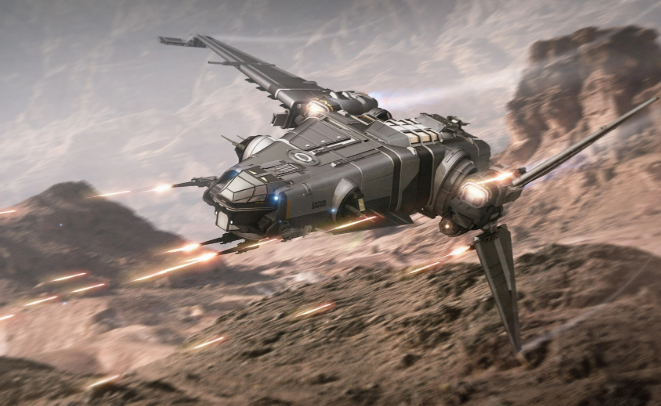
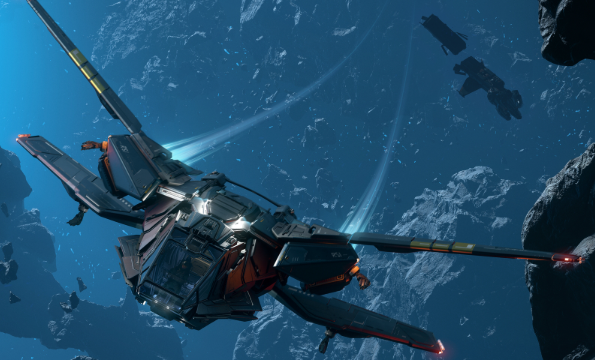
Popular Models Affected: Aegis Gladius, Anvil Arrow
Fuel Capacity Reduction: -40% Base Capacity
Cross-System Jump Capability (Stanton): Requires 2 space station refueling stops.
Medium Fighters
Popular Models Affected: Anvil Hornet Mk II, Sabre
Fuel Capacity Reduction: -30% Base Capacity
Cross-System Jump Capability (Stanton): Requires 1 strategic mid-way refueling stop.
Heavy Fighters
Popular Models Affected: Vanguard Warden, Anvil Hurricane
Fuel Capacity Reduction: -15% Base Capacity
Cross-System Jump Capability (Stanton): Can cross system only with an Eco-grade drive.
Industrial / Haulers
Popular Models Affected: Drake Cutlass Black, Freelancer
Fuel Capacity Reduction: -5% Base Capacity
Cross-System Jump Capability (Stanton): Can cross safely; requires drive optimization.
The Direct Impact on Your Fleet Operations
The Death of Solo Fighter Commutes: You can no longer set a direct quantum route from microTech to Crusader in a light fighter and walk away from your PC. Doing so will leave you stranded in deep space, completely out of fuel.
The Rise of the Starfarer: Dedicated refuelers like the MISC Starfarer instantly become the most valuable support assets in the game. Multiship organizations and PvP combat fleets will now strictly require a Starfarer escort to keep interceptors fueled during frontline operations.
Drive Swapping is Mandatory: Players can no longer simply slap the fastest military drive (like the VK-01) into their ships. High-speed drives burn fuel at an unsustainable rate under the new 4.10 variables.
For players also planning their in-game economy around the new traversal and fleet-management meta, Star Citizen AUEC can be part of the broader preparation strategy.
How to Optimize Your Ship Setup for the 4.10 Meta
To survive the fuel crunch, you must completely overhaul your ship component loadouts. The era of running pure "Grade A Military" components is dead.
Step 1: Equip Civilian/Eco-Grade Quantum Drives
For size 1 components (Fighters), ditch the high-consumption military drives. Your new best friends are Civilian or Industrial components that prioritize fuel efficiency over raw speed:
The Atlas Drive (Size 1): The absolute gold standard for the Alpha 4.10 meta. It offers the best balance of quantum speed while keeping fuel consumption low enough to preserve your single-stop jump capabilities.
The Voyage Drive (Size 1): An excellent alternative option for Drake Cutter or Avenger Titan pilots looking to prioritize maximum range over transit velocity.
Step 2: Utilize Orbital Stations for Staged Jumps
Instead of routing directly to a planet's surface from across the system, manually break your jumps down into stages:
Quantum jump to a major planetary L1 lagrange station (e.g., HUR-L1).
Drop out of quantum, top off your Hydrogen and Quantum fuel at the refinery decks.
Initiate the final leg of your journey to the planetary main zone.
How to Join the Star Citizen Alpha 4.10 PTU All Waves Testing
Since the test universe is now open to all backers, jumping into the build to stress-test your fleet is incredibly simple. Follow these exact steps to bypass common launcher update bottlenecks:
Copy Your Account to PTU: Log into the official Roberts Space Industries (RSI) website. Navigate to your Account Settings page, scroll down to the "Public Test Universe" tab, and click the yellow "Copy Account to PTU" button. Wait for your confirmation email.
Update the RSI Launcher: Ensure your RSI Launcher software is updated to the latest 2.0+ version. Older legacy launchers will throw persistent connection errors when trying to read the 4.10 directories.
Download the Test Build: Select the "PTU" environment option from the environment drop-down menu located on the left-hand sidebar of your launcher dashboard. Click "Install."
Storage Requirements: The build requires roughly 95GB of free space and must be installed on a high-speed Solid State Drive (SSD). Installing Star Citizen on a traditional HDD will cause severe asset-streaming stutter and endless loading screens.