









summary
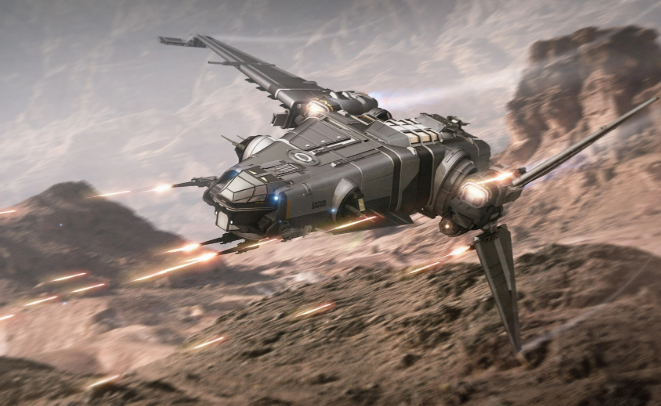
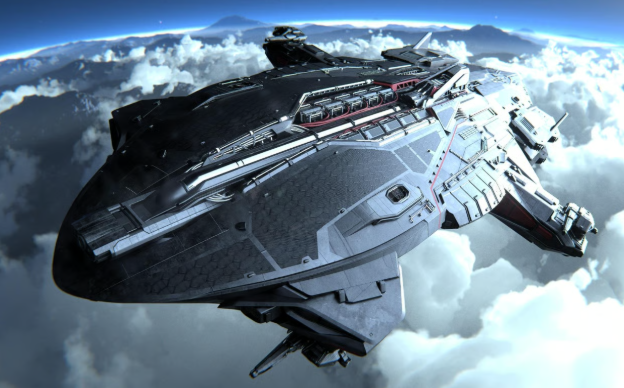
Star Citizen’s upcoming ship combat changes aim to create more specialized, tactical encounters. Players should prepare for shorter light-fighter engagements, stronger armor and engineering systems, clearer weapon roles, improved shields, and deeper physicalized damage through Maelstrom. As these systems evolve through testing, players looking to buy Star Citizen AUEC may also want to stay adaptable and consider how future combat and progression changes could affect their in-game strategies.
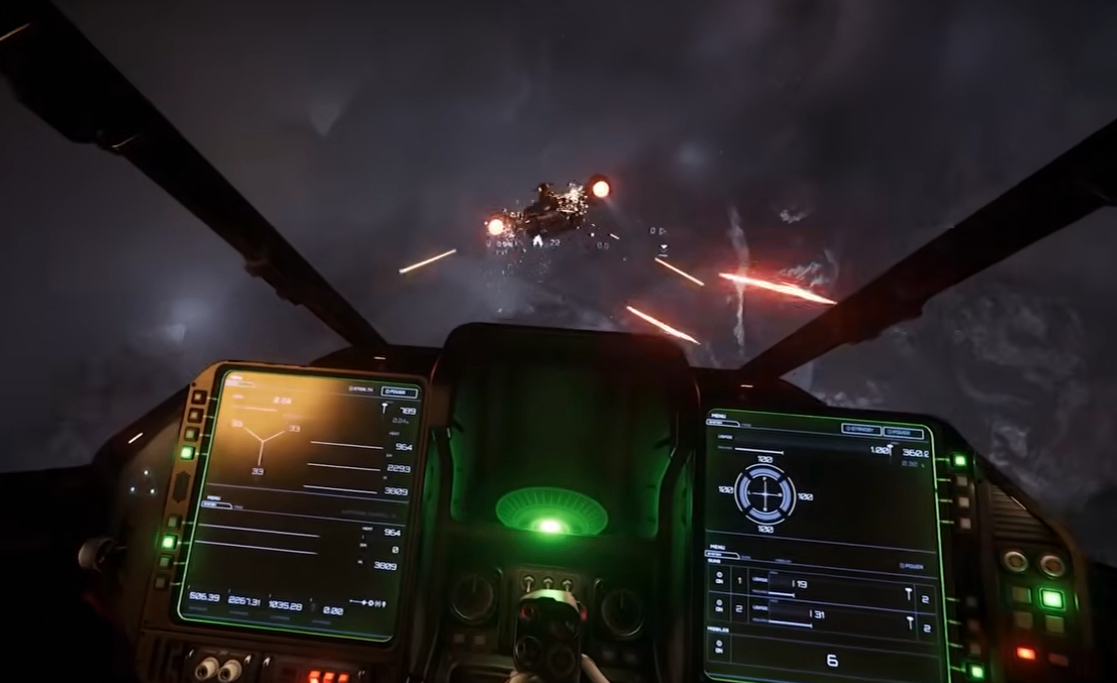
1. Understand the New Time-to-Kill Philosophy
CIG does not appear to be targeting one universal time-to-kill value for every ship.
Instead, combat survivability should depend on the ship’s size, role, armor, and capabilities.
Light Fighters
· Expect shorter engagements.
· Rely on agility and evasion rather than armor.
· Avoid prolonged fights against larger ships.
· Disengage when significant damage is sustained.
· Return to repair before becoming disabled or destroyed.
Larger Ships
· Expect greater combat endurance.
· Use armor and larger health pools to survive extended engagements.
· Take advantage of crew members performing repairs.
· Keep damaged systems operational through engineering.
· Treat disabling an enemy as an important tactical objective.
This creates a clearer distinction between fast attack craft and heavily equipped multicrew vessels.
2. Focus on Disabling, Not Just Destruction
Future combat should place greater emphasis on time to disable.
Instead of concentrating entirely on hull damage:
· Monitor damaged components.
· Identify systems that affect mobility and weapons.
· Use damage strategically to reduce an opponent’s effectiveness.
· Consider whether an enemy is still capable of fighting before committing to destruction.
· Learn when your own ship has become too damaged to remain in combat.
Why Engineering Matters
Engineering could become increasingly important through:
· Component repairs
· Fire suppression
· System restoration
· Wear and tear
· Damage management
This should make combat more than a simple exchange of weapons fire.
3. Adapt to Shield Changes
CIG is also considering adjustments to several shield-related systems.
These include:
· Shield health
· Recharge rates
· Recovery times
· Shield-related combat timings
· Other defensive mechanics
The goal is to reduce situations where PvP becomes an endless cycle of attacking and escaping.
Improve Your Combat Decisions
Pilots should learn to:
· Maintain advantageous positioning.
· Monitor shield recovery.
· Avoid unnecessary exposure.
· Plan escape routes before engaging.
· Recognize when continuing the fight is more dangerous than retreating.
A successful escape should remain possible, but combat should not automatically become an escape simulator.
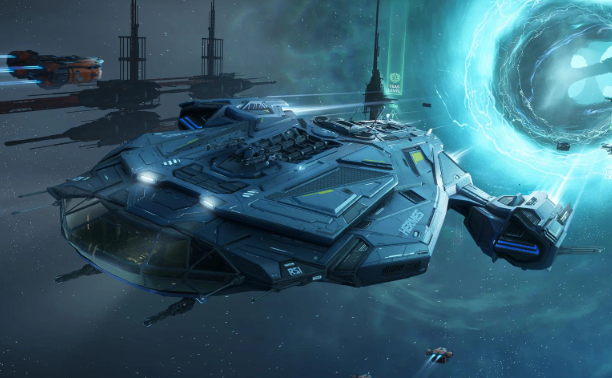
4. Learn Armor and Weapon Differences
Longer-term combat improvements should make armor and weapon interactions easier to understand.
Armor
Players need clearer information about:
· Armor protection levels
· Effective damage zones
· Weapon penetration
· Whether shots are actually damaging the target
Clearer armor feedback will make target selection much more meaningful.
Weapons
Weapon categories should eventually have stronger identities.
When selecting weapons, consider:
· Effective range
· Damage characteristics
· Penetration
· Target ship size
· Intended combat role
Avoid assuming that the highest numerical damage automatically represents the best option.
5. Prepare for Maelstrom Testing
Maelstrom is expected to provide a much deeper physicalized damage model.
It could influence:
· Armor behavior
· Component damage
· Weapon penetration
· Engineering
· Internal ship damage
· Ship survivability
How to Test Effectively
When future tech previews or PTU builds become available:
· Test different weapon types.
· Attack different areas of the same ship.
· Compare armor effectiveness.
· Monitor component damage.
· Record disabling behavior.
· Test engineering responses.
· Compare results across different ship sizes.
Systematic testing will provide more useful feedback than simply determining which loadout produces the highest damage.
6. Remember the Impact on PvE and the Economy
Combat changes will not affect PvP alone.
If NPC ships become substantially easier to destroy:
· Missions could be completed faster.
· Mission difficulty could decrease.
· Credits-per-hour could increase.
· Certain missions could become disproportionately profitable.
· A new dominant economic strategy could emerge.
Therefore, combat balancing must be considered alongside mission payouts and progression.
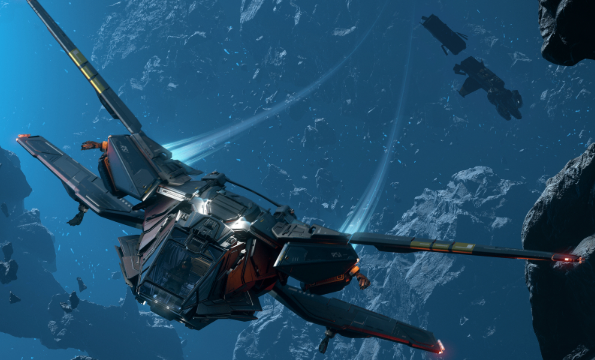
7. Prepare for Broader Flight Changes
Ship combat is only one part of the planned flight overhaul.
Players should also expect future developments involving:
· Maelstrom
· Quantum boosting
· Changes to quantum travel
· A new flight experience
· The removal of Nav Mode
· IFCS toggles
· Greater manual control
· More advanced atmospheric flight
· Stalling and other flight behaviors
These systems could significantly change how pilots approach combat.
Final Takeaway
Star Citizen’s combat direction is moving toward role-based survivability and deeper tactical decision-making.
· Light fighters should prioritize agility and disengagement.
· Larger ships should rely on durability and engineering.
· Weapon selection should become more meaningful.
· Armor feedback should become clearer.
· Shield behavior should reduce repetitive escape cycles.
· Maelstrom could provide the foundation for deeper physical damage.
For players, the best preparation is to remain flexible. Current loadouts and combat strategies may change substantially as CIG moves these systems through internal testing, tech previews, and PTU releases. Players considering cheap Star Citizen AUEC should likewise keep future combat and progression changes in mind when planning how to manage their in-game resources.