






Summary
College Football 27 delivers the most significant offensive gameplay overhaul in EA’s college football series to date. With timing-based catching, formation shifting, enhanced coaching intelligence, and deeper pre-snap control systems, College Football 27 Coins, the game pushes skill expression to a new level. Players who master these systems early will have a major competitive edge, turning small adjustments into consistent touchdown opportunities.
College Football 27 fundamentally reshapes how offense works, moving away from simple play execution and toward layered decision-making, precision timing, and adaptive strategy. Every snap now includes more tools, more reads, and more ways to outplay your opponent before and after the ball is even thrown. Below is a breakdown of the 12 biggest offensive changes and how they impact gameplay at every level.
1. Untarget User Defender Coaching Adjustment
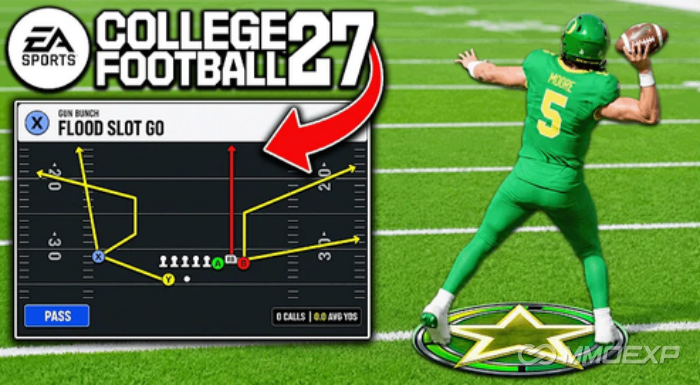
One of the most controversial but powerful new features is the ability to “untarget” a defensive user defender. This adjustment prevents offensive linemen from reacting to a defender who is manually trying to manipulate blocking assignments.
In previous versions, user-controlled defenders could stand near the line, bait blocks, and create free rush lanes. Now, offensive linemen will ignore that specific player entirely, allowing protections to hold more consistently and giving quarterbacks more time in the pocket. If tuned correctly at launch, this could eliminate one of the most frustrating blitz exploits in the series.
2. Timing-Based Catching System
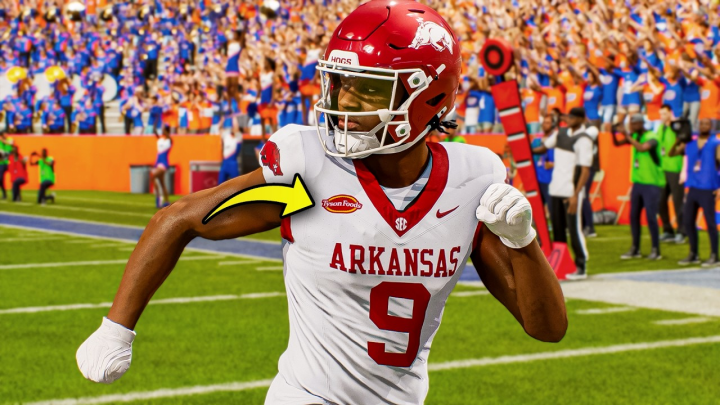
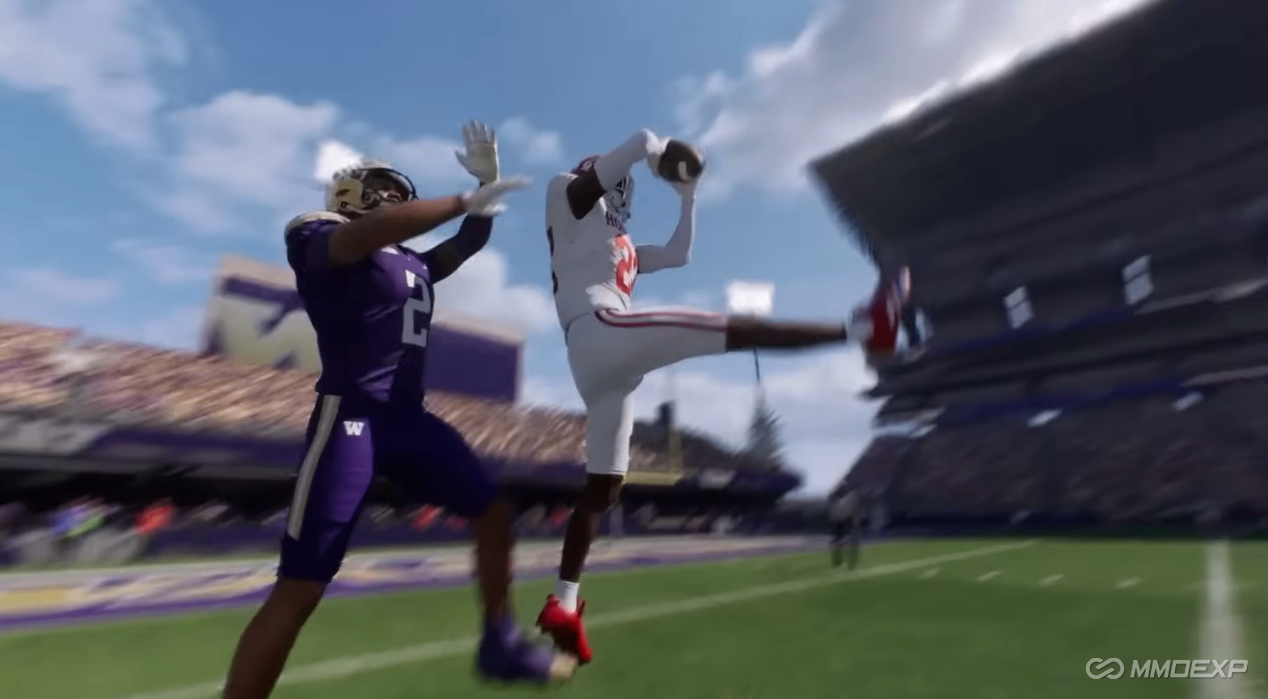
Perhaps the most impactful change in the game is the introduction of timing-based catching. Every pass now includes a visual timing window: green, yellow, and red.
A green catch results in near-guaranteed completion unless disrupted by elite defensive plays such as swats or hit sticks. Yellow timing defaults to traditional catching logic, while red timing leads to drops. This system adds a skill layer to every reception, especially on contested throws and deep routes.
Importantly, this feature can be customized or disabled, allowing players to tune difficulty or limit it to deeper passes only.
3. Expanded ID the Mike System
The “ID the Mike” mechanic has been expanded to influence both pass and run blocking more intelligently. Players can now manually identify a key defensive threat pre-snap, reshaping how offensive linemen assign responsibilities.
While powerful, incorrect identification can actually weaken protection schemes, meaning players must now read defenses more carefully instead of relying on automatic blocking logic.
4. Custom Adjustments System
Custom adjustments allow players to pre-build hot routes, blocking schemes, and protection rules before entering a game. Instead of manually adjusting every snap, players can select pre-saved tactical packages at the play call screen.
This system is especially powerful for advanced players who repeatedly use the same offensive setups. However, it requires understanding formation roles, since adjustments are tied to depth chart positioning rather than fixed player names.
5. Formation Shifts at Play Call Screen
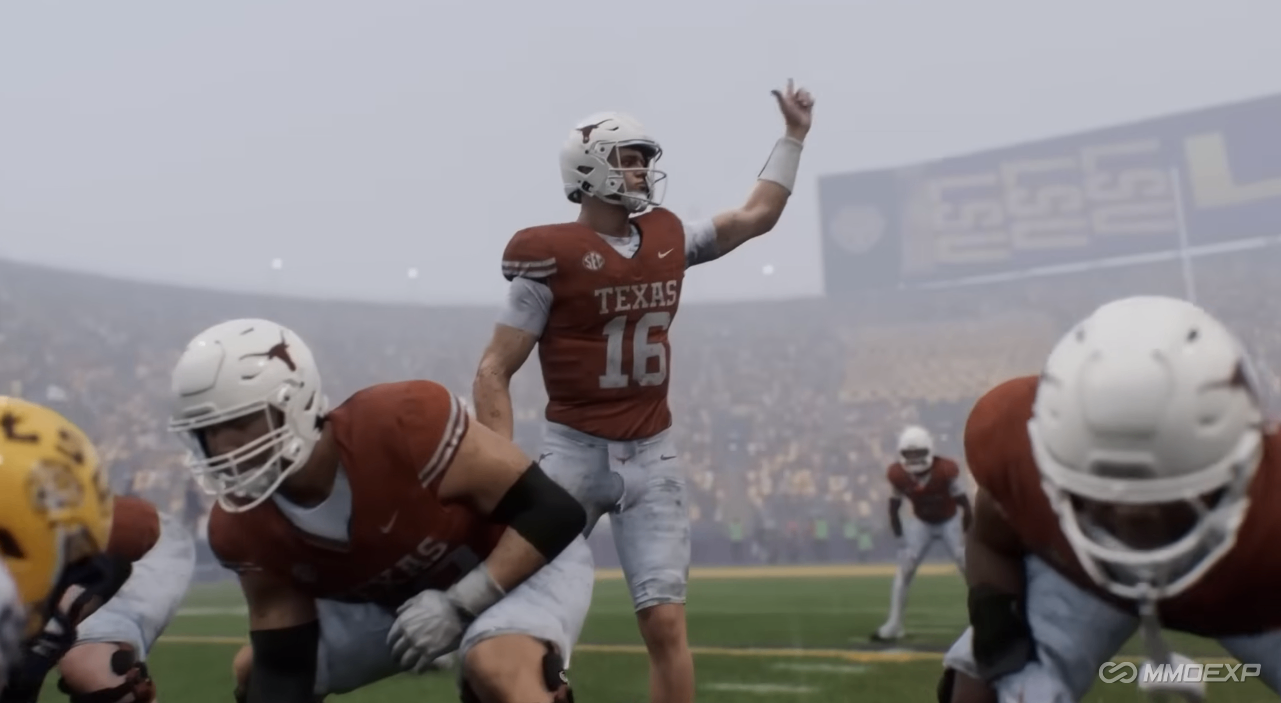
Formation shifting is one of the most dynamic additions in College Football 27. Players can now select a base formation and shift into another before the snap, while keeping the same personnel on the field.
This opens up deception-based offense where players disguise strong-side runs, flip formations mid-drive, or force defensive mismatches. It also introduces a new layer of mental pressure on defenders who must react without knowing the final alignment.
6. Updated Control Scheme Changes
With new mechanics added, EA has reorganized several control inputs. Pass protection adjustments are now mapped to a new input system, while custom adjustments and coaching tools have been reassigned.
This shift forces players to relearn muscle memory, especially those coming from previous titles, making early adaptation a key advantage in competitive play.
7. QB Sneak Timing Meter
The quarterback sneak is no longer automatic. A timing-based meter now determines whether the QB gains short-yardage success or gets stuffed at the line.
Perfect timing may result in critical extra yardage, while mistimed inputs can lead to failed conversions. This adds tension to one of football’s simplest plays and increases the importance of precision in goal-line situations.
8. Built-In Community Play Designs
EA has integrated popular community-created play concepts directly into the game’s base playbooks. Many complex hot route combinations that previously required manual setup are now available as single-play calls.
This reduces pre-snap complexity and speeds up offensive execution, especially for players who prefer fast-paced gameplay over manual customization.
9. Directional Stiff Arms
Ball carriers now have directional control over stiff arms, allowing more expressive physical gameplay. Instead of a single animation, players can choose how to engage defenders—whether pushing them away, fending them off, or creating separation.
This adds depth to open-field running and makes one-on-one situations more skill-based than ever.
10. Coach DNA 2.0 – Adaptive AI Offense
One of the most advanced systems in the game is Coach DNA 2.0, which evolves CPU behavior throughout the game. If a running back is dominating, the AI feeds him more. If a pass rusher is winning battles, the offense adjusts protections.
This creates a more realistic and adaptive opponent, forcing players to continuously adjust instead of relying on static defensive reads.
11. Coach Mode & Sideline Control System
Coach Mode allows players to experience games from the sidelines with varying levels of control. You can manage pre-snap decisions, identify primary reads, or even observe the game unfold without direct input.
It also introduces emotional management mechanics, where player confidence fluctuates during gameplay. Coaches can intervene a limited number of times to reset morale, adding a psychological layer to team management.
12. Zone Window Awareness for Receivers
A lesser-known but potentially game-changing feature is Zone Window Awareness. Receivers can now recognize soft spots in zone coverage and adjust their routes in real time.
Instead of running blindly into coverage, AI-controlled receivers may slow down or settle into open zones, creating more realistic passing windows and smarter offensive spacing, cheap College Football 27 Coins.
Final Thoughts
College Football 27 is not just an incremental upgrade—it’s a full offensive redesign. From pre-snap strategy to post-catch execution, every part of passing, running, and play calling now includes more layers of control and decision-making.
Players who adapt quickly to timing-based mechanics, formation manipulation, and AI adjustments will have a massive advantage early in the cycle. Meanwhile, those who rely on old habits will likely struggle against the new pace and intelligence of both human and CPU defenses.
In short, College Football 27 rewards precision, creativity, and football IQ more than any previous entry in the franchise.