Weekend Drop -











Dune: Awakening arrived as the survival game millions of sci-fi fans had been waiting for, but just months after launch, most players disappeared. How did a game with a massive Steam debut, stunning visuals, and one of the strongest survival openings in years lose nearly its entire audience? The answer lies in a broken endgame, forced PvP design, and a vision that failed to match what players actually wanted. For many adventurers looking to optimize their progression, collecting valuable Dune Awakening Items also became an important part of the journey, but even the best gear could not solve the deeper issues affecting the game’s long-term experience.
A Legendary Launch That Looked Like a Massive Success
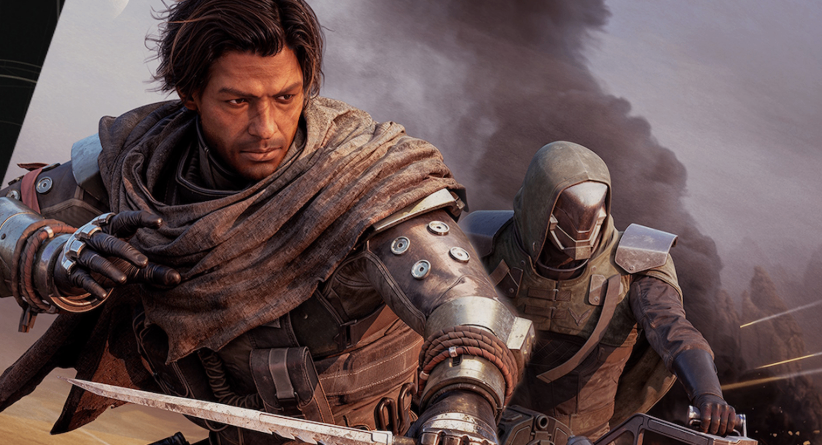
When Dune: Awakening launched in June 2025, everything seemed perfect. The game immediately climbed the Steam charts, reaching nearly 190,000 concurrent players and selling over one million copies within weeks. For developer Funcom, it became the fastest-selling title in the studio’s history.
At first, players praised the experience as one of the most immersive survival games ever created. Arrakis felt dangerous, mysterious, and alive. Every journey across the desert created tension because survival itself was a challenge.
Players had to manage water supplies, avoid deadly sandworms, collect resources, and build shelters in a world designed to destroy them. The early hours captured the true fantasy of Dune: surviving against the harshest planet in science fiction.
The First 100 Hours Were the Best Part of Dune: Awakening
The biggest strength of Dune: Awakening was its opening survival loop.
New players started as helpless outsiders on Arrakis. They had to learn everything from scratch:
· How to conserve water
· How to survive extreme heat
· How to craft essential equipment
· How to avoid attracting giant sandworms
· How to build a safe base
The iconic stillsuit mechanic and spice harvesting system made players feel like true desert survivors.
Harvesting spice was especially memorable. Players would travel into dangerous areas, activate harvesters, and constantly watch the horizon because one mistake could attract a massive sandworm capable of destroying everything.
For many players, these moments represented the perfect Dune experience.
The Biggest Problem: Arrakis Stopped Feeling Dangerous
The biggest design problem appeared when players discovered ways to bypass survival mechanics.
Water was supposed to be the most valuable resource on Arrakis. However, players quickly discovered efficient farming methods that allowed them to generate huge amounts of water with little effort.
Once water stopped being scarce, the entire survival fantasy weakened.
The planet that was supposed to feel deadly became just another location to explore. The fear of dehydration disappeared, and the iconic Dune survival experience lost its strongest foundation.
The Deep Desert Endgame Failed to Keep Players Interested
The biggest reason behind Dune: Awakening’s player decline was the endgame.
After spending dozens of hours exploring, building, and surviving, players expected the Deep Desert to offer a massive new adventure. Instead, many felt it became a repetitive grind focused heavily on PvP competition.
The problem was not that PvP existed. Many successful games thrive on competitive gameplay.
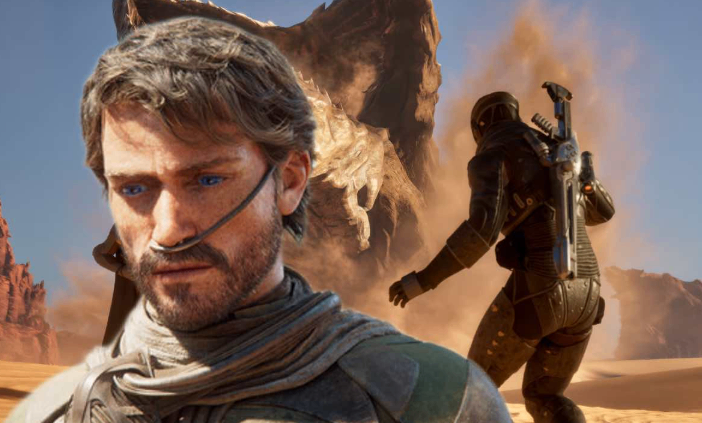
The issue was that Dune: Awakening pushed players toward PvP even though many players came for the survival experience.
The Deep Desert became a high-risk zone where stronger groups could dominate resources, destroy weaker players, and create a frustrating experience for newcomers.
Many players felt they were not fighting for survival anymore - they were simply becoming targets for experienced PvP groups.
Forced PvP Created a Divide Between Players and Developers
Dune’s universe was built around political conflicts between powerful houses, so many players expected meaningful faction warfare.
Instead, the game launched with open-world PvP that often felt like random player killing rather than strategic house battles.
The result was a major disconnect:
· Survival players wanted exploration and PvE challenges.
· Competitive players wanted structured warfare.
· The game tried to satisfy both but fully delivered neither.
Later developer discussions revealed that a large majority of players preferred PvE content, showing that the original endgame direction did not match the community.
Funcom Started Fixing Problems, But Players Were Already Gone
As player numbers declined, Funcom began making major changes.
The studio removed unpopular systems, adjusted PvP areas, improved PvE options, and introduced features designed to make the game more accessible.
However, many players believed these changes arrived too late.
The damage had already been done. A large number of survival fans had already moved on, and rebuilding trust became much harder.
Can Dune: Awakening Make a Comeback?
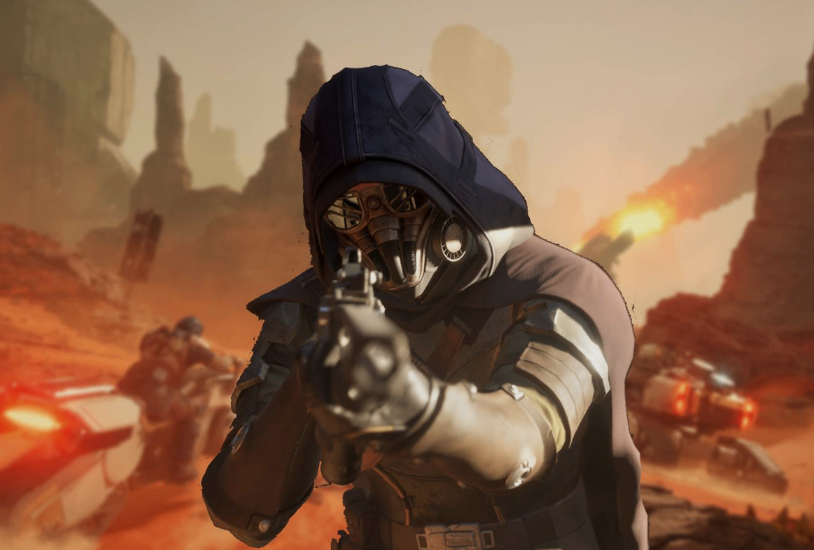
Despite its struggles, Dune: Awakening still has a strong foundation.
The game’s world design, atmosphere, and survival mechanics remain impressive. Few games have captured the scale and beauty of Arrakis so effectively.
The future will depend on whether Funcom can continue listening to its community and focus on the elements players loved most:
· Better PvE progression
· More meaningful exploration
· Stronger faction systems
· A deeper survival experience
Dune: Awakening did not fail because it lacked ambition. It failed because the game’s greatest strength - surviving Arrakis - was eventually overshadowed by systems many players never wanted.
In the end, the most valuable resource on Arrakis was never spice or water. It was the patience of the players who arrived hoping to call the desert home. For those still exploring the harsh world and looking to improve their journey with better gear and resources, buy Dune Awakening Items became one option to enhance their progression and survival experience.