Weekend Drop -












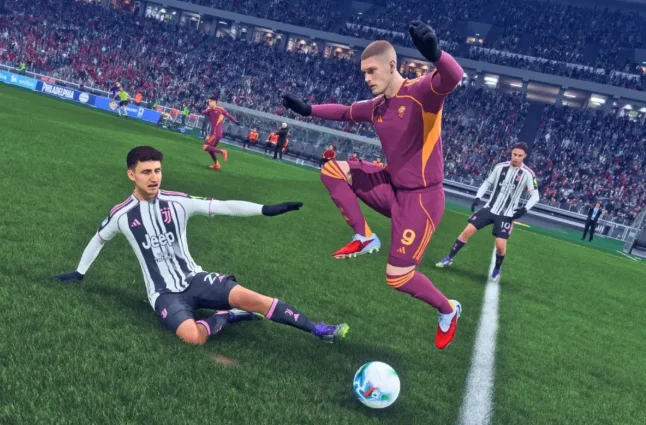
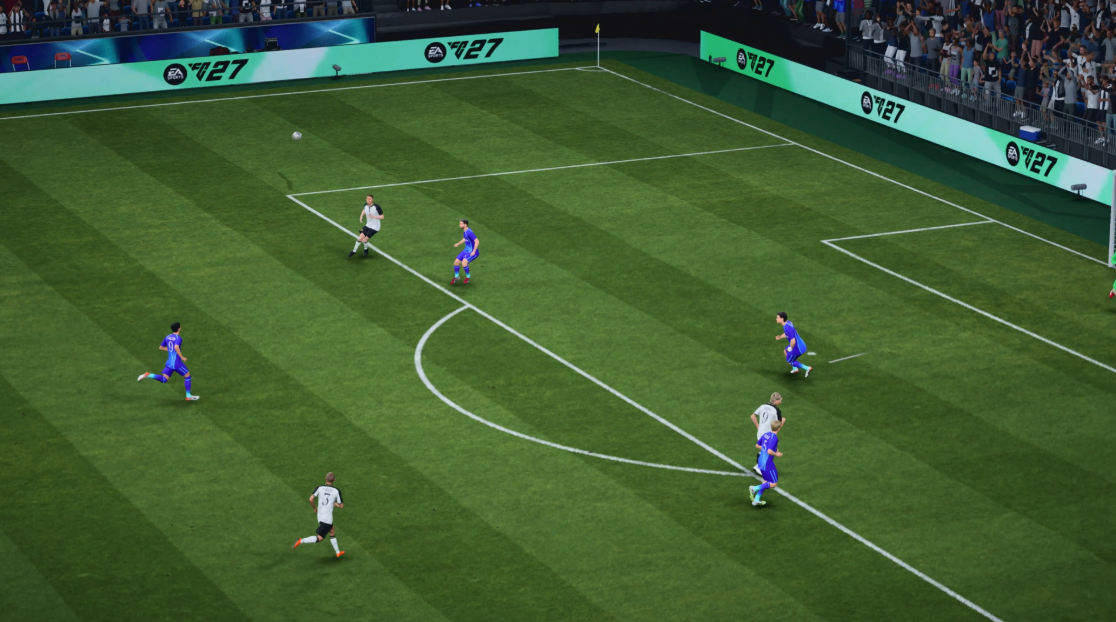
Defending against skilled dribblers in FC 26 presents a significant challenge. Many players either maintain excessive distance, allowing easy shots, or commit too aggressively, enabling opponents to turn and score. This guide provides a three-step framework to improve one-on-one defending.
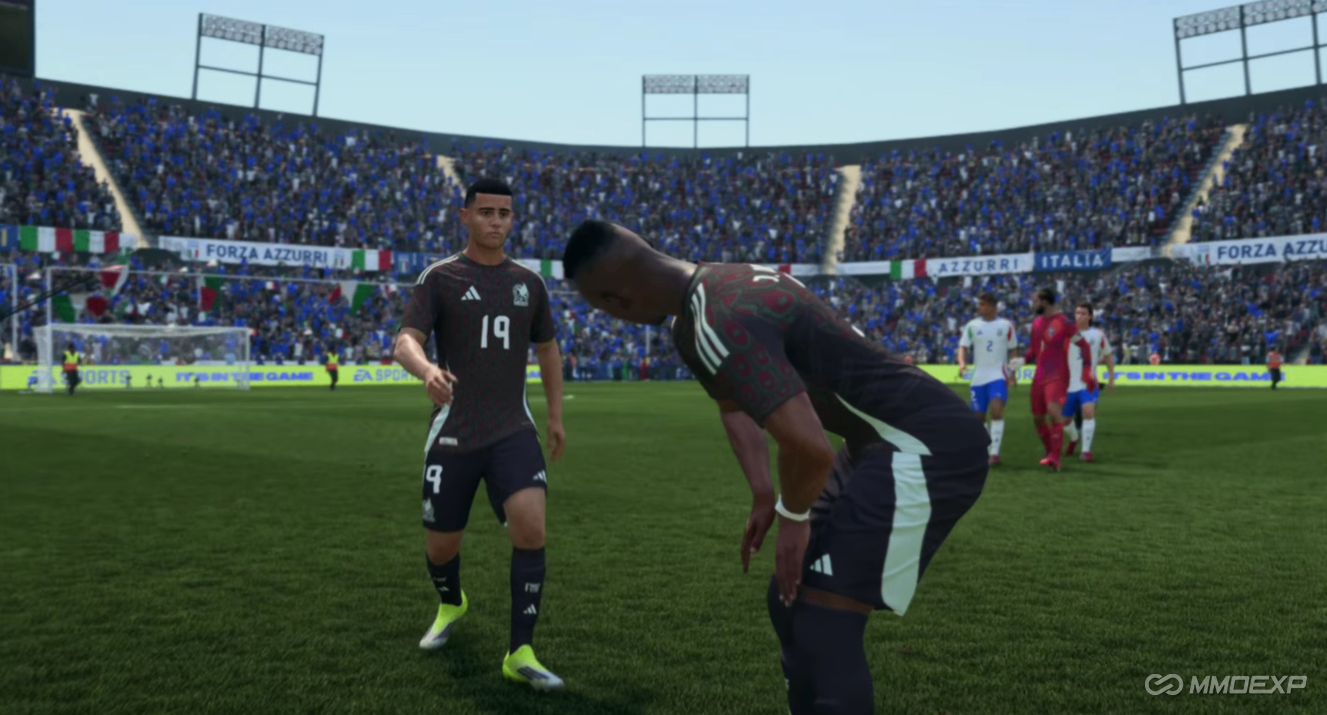
The Limitations of Standard Advice
A common recommendation is to avoid controlling center backs and defend exclusively with midfielders. While applicable in certain situations, this approach has substantial limitations. Relying solely on midfielders and never selecting center backs places the outcome in the hands of AI decision-making. Skilled opponents recognize this pattern, receive the ball toward the center back, use controlled sprint aggressively, and exploit AI positioning errors or unpredictable auto-switching.
Effective defending requires selecting the center back and managing one-on-one situations directly.
Step One: Positioning and Movement
The most critical aspect of one-on-one defending is avoiding overcommitment to the opponent's current direction. Many players rush forward and tackle immediately due to a perceived necessity to win possession. This is a tactical error. Opponents score in these situations because the defender moves forward and creates exploitable space.
The defender is not required to initiate movement. Maintaining position and allowing the opponent to advance often results in the opponent delivering possession without aggressive intervention.
Proper technique:
In a one-on-one situation, retreat slightly with the defender. Do not advance aggressively toward the opponent. Moving backward maintains distance and preserves the defensive line between the ball and the goal. This is the optimal positional objective.
Maintain a moderate gap from the attacker. Overcommitment creates vulnerability to being bypassed. By moving backward first, the defender can then react to the opponent's actual movement. When the opponent commits to a direction, the defender can use the jockey maneuver to stay in front.
Practice method:
Navigate to Learn to Play, then Skill Games, then Defending, and select the Take Clear scenario. Practice staying in front of the opponent without advancing into them. Avoid sprinting toward the attacker and tackling prematurely. Instead, approach closely, activate the jockey, and remain in the defensive path. Sprint only when necessary to reach a position, then alternate between normal jockey (L2) and fast jockey (L2 + R2) based on opponent speed. The objective is maintaining position between the opponent and the goal without excessive distance. Find the equilibrium between overcommitting and keeping too much space.
Step Two: Tackle Timing
Retreating indefinitely is not a viable strategy. At some point, possession must be won. The key is identifying when the opponent commits to a direction and attempts to bypass the defender.
When an opponent activates controlled sprint and takes a heavy touch, they create a sequence of ball contacts. The intervals between these contacts represent the optimal window to move in and win possession. Following a direction change or heavy touch, the opponent cannot pass, change direction again, or perform a skill move until their next contact. Moving in during this window yields a very high success rate.
Why mistimed tackles fail:
Executing a tackle precisely when the opponent makes their next contact, and that contact is a direction change, allows the opponent to move past the defender easily. The correct response is to activate the jockey, maintain position, and wait for the direction change. When the opponent takes a slightly heavy touch and changes direction, that is the moment to press the tackle button. The opponent's momentum shift and momentary heaviness from the direction change are the visual cues.
Step Three: Creating Two-on-One Situations
One-on-one defending remains the most difficult defensive scenario. Even with proper positioning and timing, errors occur. A second defender nearby enables more aggressive defending and provides recovery options.
Creating two-on-one situations:
Use second man press to bring an additional defender closer. With two defenders, committing more aggressively becomes feasible. For instance, if concerned about an opponent's shot opportunity, sprinting in and tackling aggressively is less risky because a second defender covers the alternative angle. If the opponent attempts to bait and change direction, the second defender is positioned to respond. If the opponent turns, a quick switch to the other defender allows manual blocking.
Managing second man press:
Tackling while holding second man press risks overcommitting with two defenders simultaneously. Releasing second man press just before tackling prevents this issue. This is a nuanced but valuable adjustment.
Integrating All Three Steps
In a match situation, apply these principles sequentially. When the opponent begins moving forward with controlled sprint, first establish position. If no midfielder is nearby to provide support, simply position the defender in front of the ball and maintain distance. Do not attempt to win possession immediately. Switch away briefly to pull another defender into position and cut passing lanes. Use second man press while the opponent turns. Once the opponent starts turning aggressively toward the defender, switch back. If the opponent turns away, switch to the other defender. When the opponent performs a skill move and pushes the ball out heavily, that is the signal to move in and win possession cleanly.
Summary
Step one: Retreat slightly, maintain distance, and stay between the opponent and the goal. Practice this in the Take Clear skill game.
Step two: Execute tackles only when the opponent is between touches, following a heavy touch or direction change. Watch for momentum shifts.
Step three: Use second man press and additional defenders to create two-on-one situations, enabling more aggressive defending with reduced risk.
These principles require dedicated practice. The Take Clear scenario is effective for developing positioning, distance management, and tackle timing. Consistent application of these techniques makes one-on-one defending against skilled dribblers significantly more manageable. If you need to upgrade your squad with elite defenders to complement your improved defending skills, you can acquire FC 26 Coins from MMOEXP to build your ultimate team.