










This guide explains how to build and tune a competitive drag car in Forza Horizon 6, covering recommended upgrades, suspension settings, gear ratio adjustments, launch techniques, and testing methods. By establishing a solid baseline and refining the tune through repeated quarter-mile runs, players can maximize traction, improve acceleration, and achieve faster drag racing times.
Start with the Right Build
Every successful drag tune begins with a solid foundation. Instead of immediately maximizing horsepower, first evaluate the stock engine. Some engines produce excellent power with upgrades, while others benefit from an engine swap. If you're looking to experiment with different high-performance builds without spending hours unlocking vehicles, many players choose to buy Forza Horizon 6 Cars to gain access to a wider selection of tuning platforms.
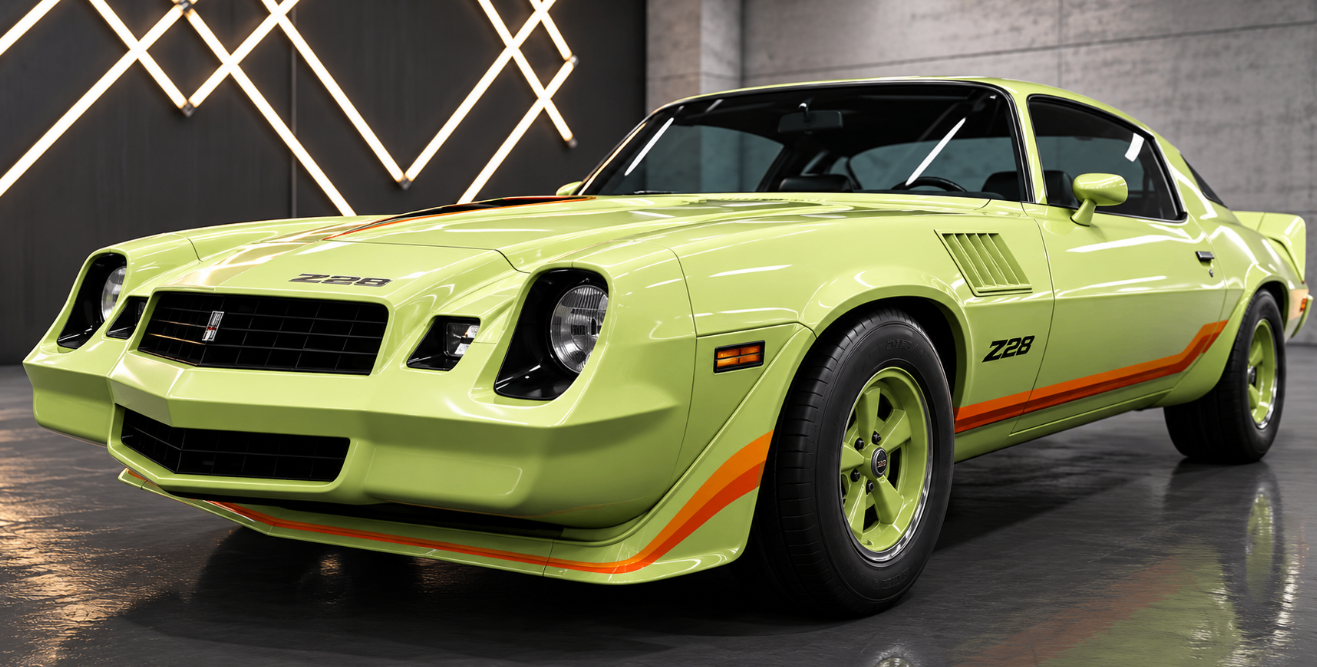
For the featured 1979 Chevrolet Camaro Z28 build, a 6.2L V8 serves as the ideal choice because it offers excellent power potential while remaining predictable during tuning.
When building the car:
· Keep the stock rear-wheel-drive drivetrain whenever possible.
· Install twin turbos instead of a supercharger for better top-end performance, reduced weight, and improved overall efficiency.
· Upgrade every engine component to Race specification.
· Equip Anti-Lag with the turbo system.
· Install Race brakes.
· Choose Rally suspension, which provides softer weight transfer that helps maximize traction during launches.
· Skip the roll cage to avoid unnecessary weight.
· Install full weight reduction.
· Upgrade anti-roll bars, chassis reinforcement, and drivetrain components to Race quality.
· Use a Race differential for full tuning flexibility.
This setup creates a lightweight, high-powered platform that is ideal for drag racing.
Optimize Tires and Wheels
Traction is far more important than appearance.
For the best drag setup:
· Install dedicated drag tires.
· Use the widest rear tires available.
· Keep the front tires as narrow as possible.
· Select the lightest wheels you can find.
· Leave wheel diameter at the default size, since the updated tire physics no longer require larger rear wheels for additional top speed.
· Install lightweight body panels such as carbon fiber hoods whenever they reduce vehicle weight.
The objective is simple: maximize rear grip while minimizing unnecessary mass.
Create a Reliable Baseline Tune
Rather than chasing the perfect numbers immediately, establish a consistent baseline before making adjustments.
A practical starting setup includes:
· Final drive: 2.20
· Front caster: 7.0
· Front anti-roll bar: 65
· Rear anti-roll bar: 65
· Soft front springs
· Soft rear springs
· Maximum ride height front and rear
· Front damping: 1.0
· Rear rebound matched around 8.5
· Differential deceleration around 80%
These settings prioritize straight-line stability and efficient weight transfer during launches.
Configure Your Driving Settings
Before testing your tune, make sure your driving assists are properly configured.
Recommended settings include:
· Steering: Standard
· Traction Control: Off
· Stability Control: Off
· Transmission: Manual with Clutch
· Damage: Off
· Rewind: On
Manual with Clutch is especially valuable because it allows precise launch RPM control and significantly faster shifts.
You should also assign Telemetry to a convenient button. Telemetry provides valuable information including:
· Tire temperatures
· Boost pressure
· Horsepower
· Torque
· Suspension travel
· G-forces
Monitoring tire temperature helps determine the ideal launch window after completing a burnout.
Dial in First Gear
The first gear has the biggest impact on quarter-mile performance.
Begin with your baseline gearing and perform several launches.
Watch the car's behavior carefully:
· If it grips too aggressively and feels sluggish, shorten first gear.
· If it spins excessively, lengthen first gear or improve suspension settings.
For example, gradually increasing first gear from 4.30 to 4.40, then 4.50, allows you to identify the balance between traction and acceleration.
Always adjust in small increments instead of making dramatic changes. This makes it much easier to identify which modifications actually improve performance.
Master the Launch Technique
Consistent launches produce consistent results.
A reliable launch process looks like this:
1. Heat the rear tires with a burnout.
2. Hold the handbrake.
3. Apply full throttle.
4. Press the clutch once engine RPM stabilizes.
5. Fine-tune the throttle until the engine sits around 4,100 RPM.
6. Release both the clutch and handbrake simultaneously.
This launch method provides far more consistency than simply flooring the accelerator from a standstill.
Fine-Tune Every Gear
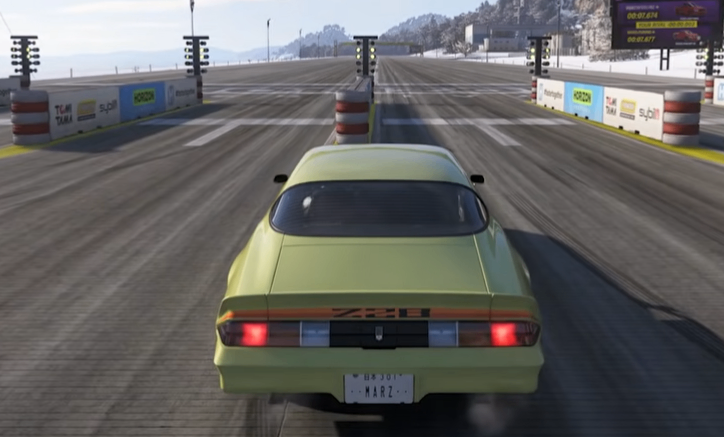
Once first gear performs well, complete a full quarter-mile run.
Pay attention to shift points.
Ideally, each upshift should drop engine speed to approximately 6,000 RPM, assuming the engine redlines around 7,500 RPM.
If second, third, or later gears feel excessively long, shorten them gradually using equal adjustments across the gearbox. Maintaining consistent spacing between gears produces smoother acceleration and prevents large RPM drops.
In many cases, the car may naturally evolve into a five-speed drag setup instead of using every available gear.
Continue Testing Until the Numbers Improve
The final stage is simply repetition.
Complete multiple quarter-mile passes while making only one adjustment at a time. Sometimes a shorter first gear improves launches, while other times small suspension changes provide better traction than gearing alone.
Even if two runs produce identical times, subtle improvements in launch consistency or shift quality often indicate that you're moving in the right direction. Fine adjustments to first gear, suspension rebound, or upper gears can eventually reduce an 8.3-second pass into an 8.2-second run. If you need additional resources to purchase upgrade parts or expand your garage for further testing, Cheap Forza Horizon 6 Credits can help you experiment with multiple builds without being limited by your in-game budget.
Patience is the most valuable tuning tool. By building a strong baseline, testing methodically, and refining each setting individually, you'll develop drag cars that launch harder, shift more efficiently, and consistently produce faster quarter-mile times in Forza Horizon 6.