Weekend Drop -











Forza Horizon 6 continues to evolve with new patches that aim to refine the player experience. A recent Series 3 update has introduced significant changes to the in-game economy, sparking discussions among the community. This article explores these adjustments, their impact on gameplay, and what they mean for both casual and dedicated racers.
Understanding the Auction House Changes
One of the key highlights from the update is the adjustment to the auction house mechanics. Previously, many rare cars had artificially low price caps, making it difficult for players to value them appropriately. The patch removed some of these restrictive lower limits for cars not available in the Auto Show, but the overall maximum buyout price remains at 20 million credits.
This clarification is important because early interpretations suggested a complete removal of caps, which could have led to wildly inflated prices. In reality, the 20 million credit ceiling stays in place, providing a structured upper limit while allowing more realistic market dynamics for sought-after vehicles.
Players have long complained about the grind involved in sniping cars on the auction house. In previous titles like Forza Horizon 5, even max-priced listings would vanish instantly due to players sitting on massive reserves of Forza Horizon 6 Credits. The new system encourages more thoughtful purchasing and selling strategies.
Impact on Rare Car Availability
With the changes, rare cars are now staying listed longer, shifting the experience from frantic refreshing to actual bidding competitions. This creates opportunities for more players to participate rather than relying purely on luck or speed.
However, challenges remain. The listing prices jump directly from around 11 million to the full 20 million cap, limiting the ability to undercut competitors effectively. Implementing finer price increments up to the maximum could help stabilize the market by fostering genuine competition among sellers.
Many in the community, including content creators, have advocated for letting market forces determine values more freely. This could reduce reliance on exploitative trading methods using donor cars and instead reward players who invest time in earning Forza Horizon 6 Credits through driving and events.
Nerfs to Money-Making Methods
The update also targeted several popular income strategies. The Nissan 22B, once a staple for quick profits via skill points and wheel spins, saw its price nearly quadruple. This adjustment makes the return on investment far less attractive for repetitive farming.
More significantly, skill point farming in Event Lab maps has been heavily restricted. Players can now earn only one skill point per event lab, effectively ending the efficient grind loops that allowed rapid accumulation of points and subsequent car purchases for wheel spins.
These shifts push players toward organic gameplay-drifting, jumping, and exploring the open world to build skill points naturally. While this slows overall progression, it aligns with a vision of more engaging, less repetitive activities.

A Slower, More Meaningful Economy
For many veterans, the slower pace is a welcome change. Hundreds of hours into Forza Horizon 6, having only a few million Forza Horizon 6 Credits encourages careful decision-making. Deciding whether to buy a desirable used car or save for a future purchase adds depth that was often missing in earlier entries.
This approach treats the game as a long-term experience rather than something to complete quickly. Stretch goals and meaningful progression become more satisfying when wealth doesn't accumulate effortlessly.
That said, the game has historically leaned toward a sandbox style where progression felt faster and wheel spins were abundant. The tension between these philosophies is evident, and balancing them remains a challenge for developers.
Player Feedback and Community Perspectives
Not everyone appreciates the nerfs. Some players feel penalized for engaging with systems that were intentionally designed into the game. The distinction between true exploits, like glitches, and legitimate farming methods using Event Lab or AFK driving has been a point of contention.
Clearer communication from the studio could help. Framing changes as intentional rebalancing rather than labeling player behavior as problematic would foster better understanding.
Despite this, positive outcomes are emerging. The auction house feels slightly more accessible, with listings lasting longer and bid wars replacing pure sniping. Over time, prices may stabilize based on what the player base is willing to pay.
Future Improvements Needed
While progress has been made, further tweaks could enhance the experience. Allowing more granular pricing options in the auction house would give sellers better tools to manage inflation and competition.
Additionally, ensuring a variety of rewarding activities beyond grinding specific cars or maps would keep the economy vibrant. Introducing new events or incentives for exploration could complement the slower credit accumulation.
For players looking to accelerate their progress, options like buy Forza Horizon 6 Credits exist through official or trusted channels, though focusing on in-game achievements often proves more satisfying in the long run.
The Bigger Picture for Forza Horizon 6
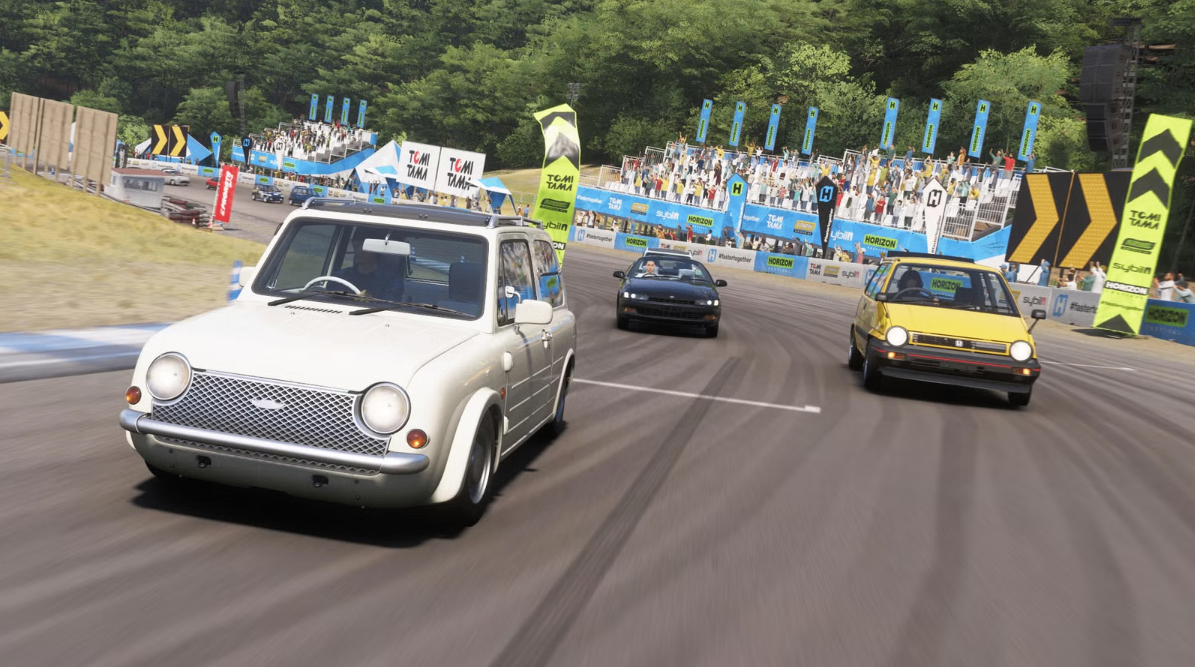
Forza Horizon 6 sets itself in a stunning Japanese environment, blending urban neon with countryside roads. The economic adjustments support this immersive world by making every credit feel earned and every car a thoughtful addition to the garage.
As the game matures, these systems will likely continue evolving. The goal appears to be creating a sustainable ecosystem where progression remains engaging across hundreds of hours, appealing to different playstyles without alienating core fans.
Whether you're a completionist hunting every vehicle or a casual driver enjoying the scenery, the recent updates signal a commitment to refining the core loop. The auction house and economy form the backbone of player interaction, and ongoing dialogue between the community and developers will be crucial for future success.
In summary, the Series 3 changes represent a step toward a more balanced Forza Horizon 6. By addressing hidden mechanics, nerfing overpowered strategies, and promoting organic play, Playground Games is shaping an experience that values time and skill. Players can look forward to a dynamic market where Forza Horizon 6 Credits hold real weight, and rare finds become achievable goals rather than fleeting opportunities.