Weekend Drop -











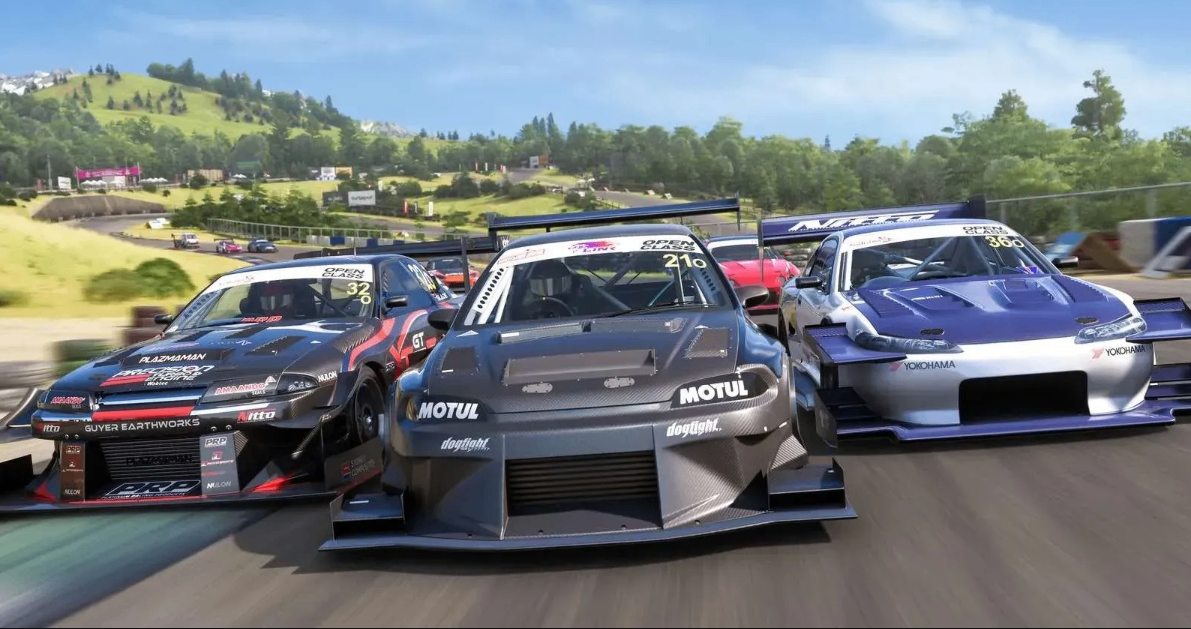
Forza Horizon 6 continues to evolve as one of the most exciting open-world racing experiences, with drag racing standing out as a high-stakes discipline that rewards precision and quick reflexes. Recent updates have shaken up established techniques, particularly in how players launch their vehicles for optimal quarter-mile performance. Whether you're a seasoned drag tuner or new to the scene, understanding these changes is essential for staying competitive.
The Impact of the New Update on Drag Racing
The latest Forza Horizon 6 update has altered core launching mechanics that players relied on since earlier titles like Horizon 4 and 5. Developers made adjustments that inadvertently affected drag-specific exploits and techniques, forcing the community to adapt. This isn't a bug but a natural evolution in the game's physics and control systems.
Players who used the old E-brake, gas, and clutch combo now find it behaves differently. The update prioritizes more realistic responses while maintaining the fun factor. As a result, drag builds-especially rear-wheel-drive (RWD) and all-wheel-drive (AWD) setups-require fresh strategies to achieve blistering starts without wheelspin or lost momentum.
Understanding Game Settings for Consistent Launches
Before diving into specific launch methods, optimize your settings. Set the driving model to Standard rather than Simulation for better tire grip across drivetrains. Manual transmission with clutch is highly recommended for drag racing, as it gives full control over RPM management.
Turn off traction control and other assists to allow raw power delivery. These tweaks prevent unwanted interventions that can ruin a perfect launch. For controller users, custom button mappings can simplify complex inputs, making high-RPM launches more accessible during intense races.
Launch Control: Why It Falls Short in Drag Racing
One of the four main methods is Launch Control, activated by holding the E-brake and gas. In Forza Horizon 6, it holds RPM around 3,000 but introduces fluttering and delays that kill momentum. This results in slower overall times compared to manual techniques.
While it might work for casual street racing or certain cars, dedicated drag racers avoid it. The system tries to provide grip but often causes hesitation, allowing opponents to pull ahead right off the line. Testing shows it consistently underperforms in quarter-mile runs.
Full Rev Launch: High-Risk, High-Reward Power Delivery
The Full Rev Launch involves flooring the gas with the E-brake engaged, sending RPM straight to the redline. This method suits high-horsepower builds where immediate power burst is key. However, it demands perfect timing to avoid excessive wheelspin, especially on RWD cars.
In the Buick featured in community guides, this launch showcases the car's iconic styling and raw capability. Post-update, it delivers strong acceleration but requires tire pre-heating through burnouts for maximum traction. It's one of the more aggressive options among the four drag launch techniques.
The Classic 4K Launch Method and Post-Update Adaptations
The 4K Launch (around 4,000 RPM) remains a staple for many RWD drag cars. Previously, players held E-brake, gas, and clutch to stabilize at this sweet spot. The new update changed this behavior, requiring a revised sequence: engage brake and gas first, then tap the clutch to hold the desired RPM.
This adjustment feels slightly awkward on default controls due to finger positioning, but it yields stronger launches than before. For cars like the tuned Buick (around 925 horsepower, 2,800 lbs), hitting precisely 4,100 RPM provides excellent traction and wheelie control. Practice in the quarter-mile track to master the timing.
Forza Horizon 6 Credits play a vital role here, allowing players to acquire performance upgrades, rare cars, and tuning parts essential for dialing in these launches perfectly.
The 2K Launch for High-Horsepower Beasts
For vehicles with massive power outputs, the 2K Launch is often superior. Simply holding E-brake and gas (or brake and gas) lets RPM settle lower around 2,000 before release. This gives the engine room to build torque progressively, reducing the chance of breaking traction while enabling impressive wheelies.
Lower RPM launches suit heavier or more powerful setups by letting physics work in your favor. Community tests confirm this method excels after the update, particularly when combined with proper gearing and suspension tuning for drag-specific weight transfer.
Custom Controller Configurations for Easier Launches
Many players struggle with the new brake-gas-clutch sequence on standard layouts. A simple fix is remapping controls in the settings menu. Swap the E-brake and clutch buttons for more intuitive access- for example, assigning clutch to a face button.
This customization streamlines the updated launch process, letting you focus on timing rather than finger gymnastics. Experiment with layouts that match your playstyle, whether on controller or keyboard.
Choosing the Right Method for Your Build
Selecting among the four drag launch methods depends on your car and tune. RWD cars often favor the adapted 4K or 2K launches. AWD builds may tolerate Launch Control better but still benefit from manual techniques. Always test in controlled environments like the in-game drag strip.
Pre-launch tire warm-up via burnouts remains crucial across all methods. Pay attention to weather, track surface, and horsepower levels. Lower power cars might need higher RPM holds, while monsters thrive on lower revs for controlled power delivery.
Tuning Tips to Complement Launch Strategies
Beyond launches, optimize gears, suspension, and tires for drag. Soft rear tire pressure and aggressive rear suspension help with squat and traction. Front tires should prioritize stability. These elements work hand-in-hand with the new launch mechanics to shave precious tenths off your ETs.
Experiment with different cars-the Buick remains a reliable test mule due to its balanced characteristics and visual appeal. Buy Forza Horizon 6 Credits from trusted sources to quickly fund these experiments, unlocking top-tier parts and vehicles without grinding.
Why These Changes Enhance the Forza Experience
The update, while disruptive at first, pushes players toward deeper mastery. It discourages reliance on outdated exploits and encourages skill-based play. Drag racing in Forza Horizon 6 now feels more rewarding as you adapt and improve times through practice and smart builds.
The variety of launch options-Launch Control, Full Rev, 2K, and 4K-adds strategic depth. No single method dominates universally, rewarding experimentation tailored to specific cars and conditions.
Staying Ahead in the Forza Horizon 6 Drag Scene
As the game receives further patches, techniques will continue evolving. Stay engaged with the community through forums, videos, and in-game events. Share your best times and setups to help others while learning new tricks.
Mastering launches isn't just about faster runs-it's about the thrill of perfect execution, the roar of the engine, and crossing the finish line first. With the right approach, you'll dominate the drag strips in Forza Horizon 6.
In summary, the post-update landscape offers exciting challenges and opportunities. Embrace the new launch methods, refine your settings, and invest in your garage. The quarter-mile awaits your record-breaking performance. Whether fine-tuning a classic or pushing modern supercars to the limit, these insights will keep you competitive and entertained for hours.