









A First Look: Is the Sky in GTA 6 Really About to Take Off?
If you think GTA 6 is just about cities, missions, and ground vehicles, you’re underestimating its ambition. Just from what we’ve seen so far, the game’s aviation system is shaping up to be more realistic than ever: helicopter models are more specific, light positions are more accurate, aircraft tail numbers make more sense, and runway operations are closer to real-world airport logic. So what do these details actually mean—and how will they elevate the experience for players who love flying, vehicles, and deep immersion? For those who truly want to own the skies, these advancements make it tempting to buy cheap GTA 6 Money to secure the best aircraft early—but even without that, the sheer fidelity of the system promises a transformative experience.

Helicopters Aren’t Just “Close Enough” Anymore – They’re Getting Serious
The most exciting reveal is the new Maverick model. It’s based on the 206L Long Ranger, and it’s not just a visual resemblance—the window count has gone from two sets to three, which directly translates to a larger cabin space. More importantly, we’re finally seeing the cable-cutters (wire strike protection system) modeled on the fuselage—a detail that rarely got any love before.
At the same time, navigation lights and beacon positions now match real-world logic. Cockpit seating is no longer random: the Bell 206L uses the right-hand pilot seat, while the Buzzard keeps the left-hand setup. For aviation enthusiasts, these aren’t just cosmetic touches—they signal that the entire flight system is moving toward authentic rules.
Key Takeaway:
This section is for players who care about helicopter accuracy, vehicle realism, and detailed modeling. The value? You’ll feel more immersed when piloting, and you’ll instantly recognize whether the dev team actually put in the work to refine the aviation experience.
Sky Lights Have Meaning – Don’t Misread the Direction Anymore
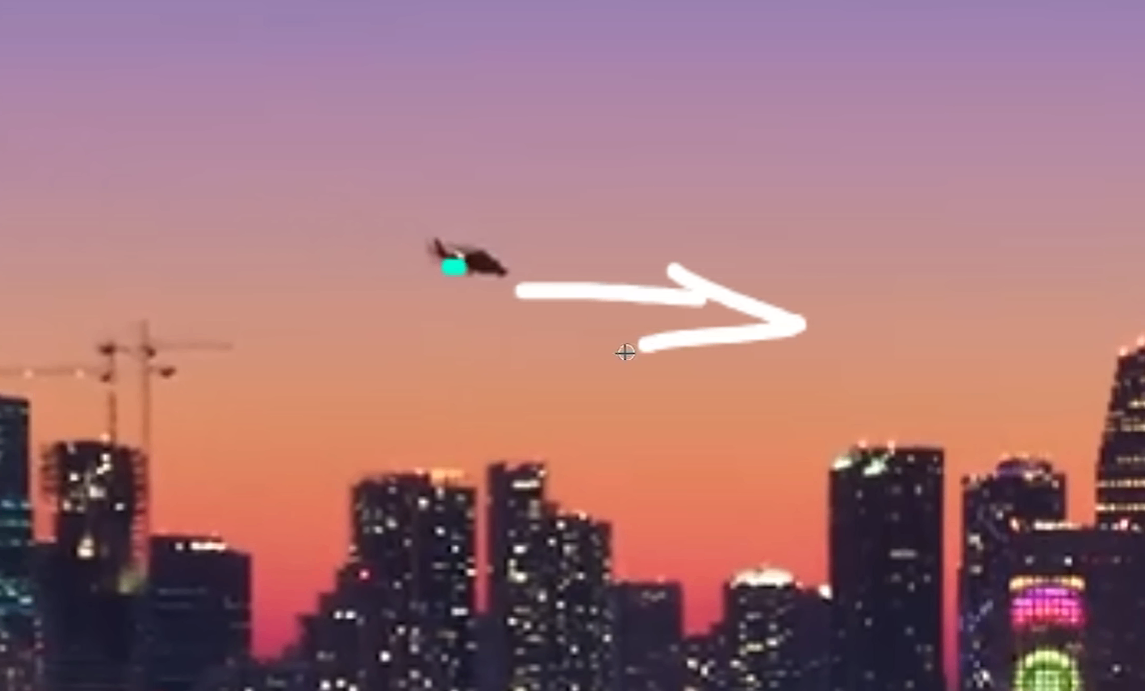
When identifying the direction of planes and helicopters in the air, lights are your most obvious clue. Red and green positions aren’t placed randomly: red on the left, green on the right, and a white tail light tells you instantly whether an aircraft is flying toward you or away from you. A green light alone means it’s moving right; a red light alone means it’s moving left.
These details may seem niche, but they massively improve situational awareness in the air. Especially at high altitude, at night, or in bad weather, you’re no longer just “seeing a glow”—you can actually determine orientation based on the lights. Buy GTA 6 Money at MMOEXP, save your sanity, and enjoy the real endgame—and in the same way, this kind of “less guesswork” experience is exactly what hardcore players crave.
Key Takeaway:
This section is for players who study vehicle lighting, love air-to-air observation, or frequently pilot aircraft. It helps you quickly judge target direction, boosts your in-flight awareness, and turns the sky from a mere backdrop into a more readable, tactical space.
Crossing Runway Operations – Airports Aren’t Just Set Dressing
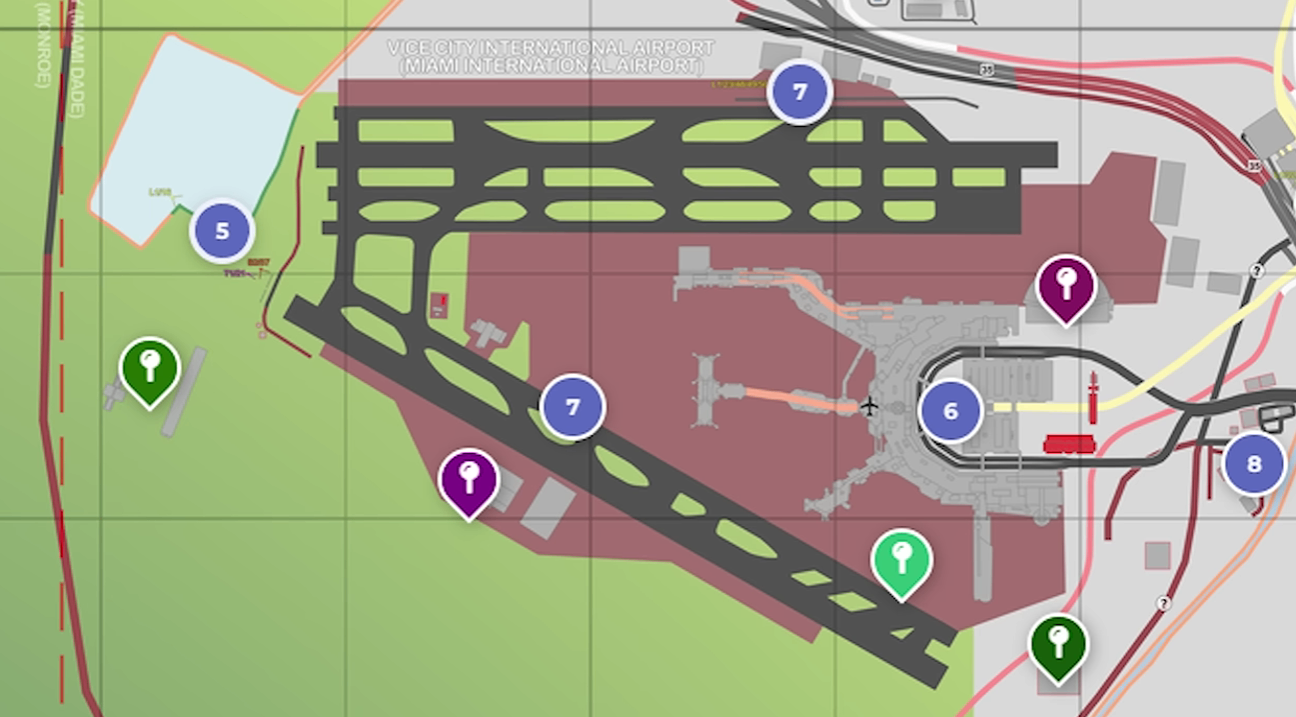
Based on current intel, airports in GTA 6 will likely be more than decoration—they’ll operate closer to real-world procedures. Airports like Miami (the inspiration for Vice City) feature intersecting runways that handle simultaneous takeoffs and landings, and the logic could even be implemented via LASO (Land and Stop Over) sequencing: the first aircraft lands and stops, then the second crosses the intersection to touch down.
This suggests that GTA 6’s airport ecosystem will have more layers: different aircraft types, different runways, and different approach patterns—not just “fly there, land there.” For simulation-minded players, this means future flight activities could feel like genuine airport traffic control, not just a vehicle action sequence.
Key Takeaway:
This section is for players obsessed with airports, runways, and landing logic. The value is a stronger sense of world realism—when you fly, land, or move through airports, you’re participating in a more complete airspace system, not just going through the motions.
Shamal, Dodo, Sea Sparrow – Old Favorites Return, More Realistic Than Ever
The Shamal now clearly channels the Learjet 45/45 XR—from its tail structure, engine nacelles, thrust reverser buckets, and winglets, the reference is obvious. Even more notable: static discharge wicks, wing inspection panels, pitot tubes, and stall-warning vanes—parts often overlooked—are all faithfully reproduced.
The Dodo is back too, with its nose intake and fuselage shape looking better than ever. The Sea Sparrow and Polmav also make appearances, with noticeably refined details: rotor structures, light placements, and shell contours are all more polished. For veteran players, this isn’t just a “familiar vehicle returns”—it’s a full upgrade with mature presentation.
Key Takeaway:
This section is for fans of classic aircraft, nostalgic content, and long-time series veterans. The value is both sentiment and freshness—familiar faces return, but with more convincing detail and a more grown-up look.
Weather System Upgrades – The Sky Itself Becomes Gameplay

Perhaps the most exciting part isn’t the aircraft themselves—it’s the entire sky environment. A new weather engine, volumetric clouds, and rain effects mean that after takeoff, you’ll likely face real changes in visibility, environmental occlusion, and spatial disorientation. In other words, the sky is no longer just “fly up and down”—it becomes a factor that actively affects your piloting experience.
Compared to GTA V’s simpler cloud layers, this upgrade makes the world feel bigger, more alive, and more layered. For exploration-focused flyers, systems like this often matter more than just adding new aircraft because they change how you see the world.
Key Takeaway:
This section is for players who value immersion, weather dynamics, and open-world atmosphere. The value is a more authentic flying experience—every takeoff becomes a journey through changing environments and shifting views.
Who Benefits Most? These Player Types Will Get the Biggest Boost
If you fall into any of these groups, this content will be especially satisfying:
· Aviation Detail Enthusiasts – You’ll get immense satisfaction from studying models, lights, runways, pilot seats, and flight logic.
· Immersion Seekers – If you care about world authenticity, layered skies, and vehicles that feel “real,” GTA 6’s aviation is a clear step up.
· Series Veterans – Seeing the Dodo, Sea Sparrow, and Polmav return hits the nostalgia button—and you’ll easily appreciate the differences between old and new systems.
Quick Tips
· Flying-focused players: Pay extra attention to airports, weather, lights, and runway logic—these will directly shape your aerial experience.
· Detail-obsessed players: Study fuselage structures, cockpit seating, static wicks, wing components, and tail light layouts.
· Nostalgia-driven players: Classic aircraft are back, but the real treat is how thoroughly they’ve been upgraded in every detail.
· Casual players: Even if you don’t know aviation, the more realistic sky and vehicle presentation will make the world feel bigger, livelier, and more immersive.