










Summary
Can One Game Completely Change Your Angel in the Outfield Run? I Didn't Expect This Comeback
After the last game, I really felt like I missed one of the best opportunities to make real progress with MLB The Show 26 Stubs. I created plenty of scoring opportunities but couldn't cash them in, and it felt like I lost because of my own mistakes rather than my opponent playing better. If you've ever had one of those frustrating MLB The Show 26 games where everything seems to go against you, you'll probably know exactly what I mean. But instead of changing my lineup or forcing a new strategy, I stuck with the plan—and the very next game completely turned things around. Six upgrades, a huge performance from Mike Trout, and one of the most satisfying comeback wins I've had in this challenge reminded me why patience is often the best strategy.
1. Recover From Tough Losses Instead of Changing Everything
One bad game doesn't mean your strategy is wrong.
The previous matchup ended with missed opportunities, double plays, and poor execution despite creating plenty of offense. Instead of overreacting by changing the lineup or abandoning the game plan, sticking with the same approach paid off immediately.
Franchise players and Diamond Dynasty grinders alike can learn from this. Baseball rewards consistency, and staying patient after a disappointing loss often produces better long-term results than making emotional decisions.
2. Upgrade the Positions That Create the Biggest Impact
The latest upgrades focused on two elite players: 96 Summer Series Corey Seager and 96 Lightning Jacob Misiorowski.
Seager immediately strengthened the infield with one of the most reliable left-handed bats available, while Misiorowski continued his evolution from a lower-rated prospect into an elite frontline starter.
Rather than upgrading random positions, prioritizing players who influence multiple aspects of the game creates far more value over an entire season.
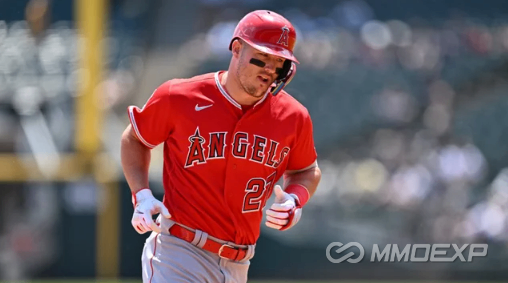
3. Mike Trout Continues to Be the Difference Maker
Even when the box score doesn't tell the full story, Mike Trout remains one of the most dangerous hitters in MLB The Show 26.
Several hard-hit balls turned into outs because of unlucky defensive positioning, but Trout still delivered exactly when the team needed him most. A towering home run, multiple RBIs, and an outfield assist generated several valuable upgrades during the game.
Elite players often contribute beyond simple batting averages, making defensive impact and clutch moments just as important as home runs.
4. Dominant Pitching Wins Championships
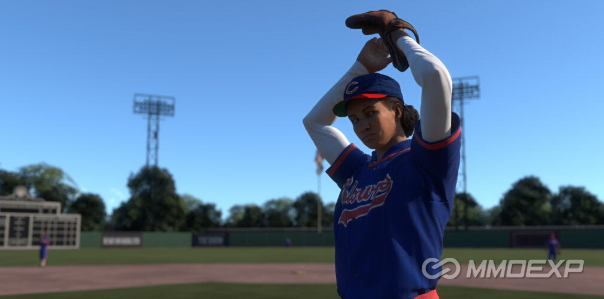
While the offense eventually exploded late, the pitching staff kept the game within reach from the very beginning.
Noah Schultz recovered brilliantly after allowing early runs, consistently attacking hitters with elevated fastballs, sweepers, and well-located breaking pitches. The bullpen continued the momentum by piling up strikeouts and shutting down dangerous hitters during the final innings.
Generating swings and misses remains one of the safest ways to protect leads, especially against high-powered online lineups.
5. Patience at the Plate Creates Bigger Innings
One of the biggest differences compared to previous games was the offensive approach.
Instead of chasing every pitch, patient at-bats forced deeper counts, created walks, and eventually produced better pitches to drive. Even after several unlucky lineouts, staying disciplined eventually led to multiple extra-base hits and the decisive late-game rally.
Good swings don't always produce immediate results, but maintaining quality at-bats over nine innings dramatically increases scoring opportunities.
6. Momentum Can Flip an Entire Game
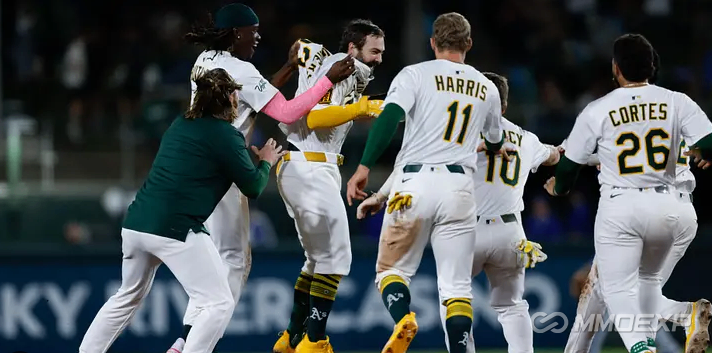
Baseball is a game of momentum, and this matchup proved it once again.
After tying the game with a clutch home run, confidence immediately shifted. The pitching staff responded with shutdown innings, the offense kept applying pressure, and the opponent eventually reached a breaking point before leaving the game.
Maintaining pressure after taking the lead is often just as important as creating the comeback itself.
7. Every Upgrade Should Move the Team Toward the Endgame
With six new upgrades earned, the roster is entering its final development stage.
Most offensive positions are already filled with elite talent, meaning future upgrades should primarily strengthen the starting rotation and bullpen. Building a balanced roster instead of stacking only hitters gives the team a much better chance of remaining competitive against stronger opponents.
Planning upgrades several games ahead also prevents wasting valuable opportunities on positions that no longer need improvement.
Pro Tip
When building an Angel in the Outfield roster, don't evaluate players solely by batting average or overall rating. Prioritize players who consistently contribute in multiple ways—offense, defense, speed, and pitching efficiency all create upgrade opportunities that can accelerate roster progression throughout the challenge.
Final Thoughts: Smart Decisions Create Championship Teams
This comeback victory perfectly demonstrates why cheap MLB The Show 26 Stubs rewards patience and smart roster management more than emotional decision-making. By trusting the existing strategy, investing upgrades into high-impact players, relying on dominant pitching, and allowing stars like Mike Trout to create game-changing moments, the team transformed a frustrating defeat into one of its biggest wins so far.
Whether you're building an Angel in the Outfield squad, competing in Diamond Dynasty, or managing a Franchise Mode save, focusing on long-term roster construction, disciplined hitting, and reliable pitching will consistently produce better results than chasing quick fixes. In MLB The Show 26, championship teams aren't built in one game—they're built through smart upgrades, steady progression, and confidence when the pressure is highest.