









If you want a real God Squad in MLB The Show 26, don't just chase the biggest names. The best team is built around speed, defense, balanced offense, and flexible bench pieces. Based on the lineup logic from the source, here's the clearest way to build two versions of a strong squad: one elite "best cards available" team, and one more NMS-friendly version for players who don't own every top card, with MLB The Show 26 Stubs as part of the overall team-building process.
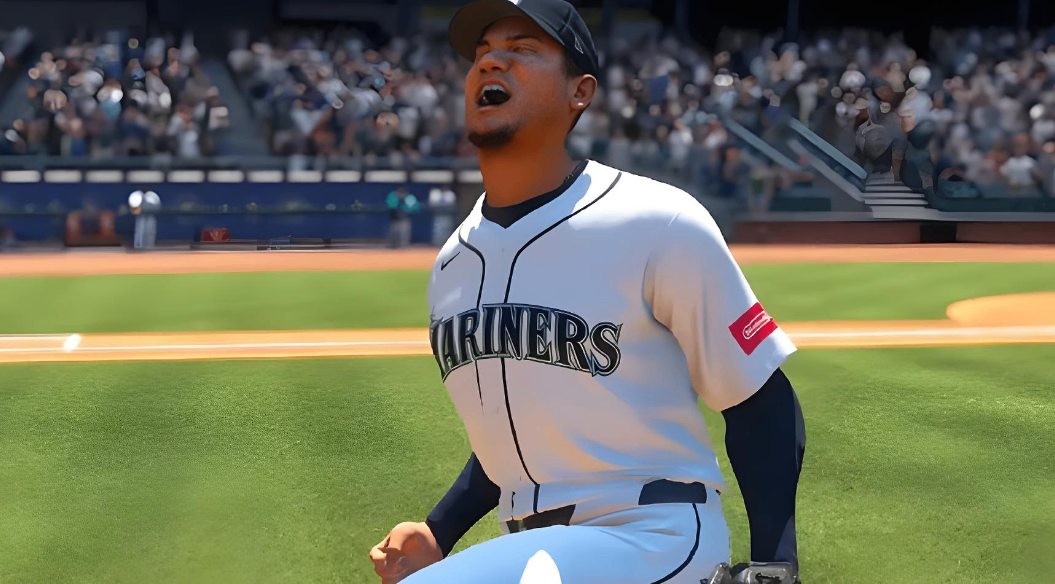
1. The first rule: your outfield must have speed
A strong outfield is the foundation of the squad. Speed matters because it helps you cover more ground, save runs, and prevent extra-base hits.
Left field: use a speedster like Beltrán
Center field: even an out-of-position card can work if the stats are elite
Right field: Bryce Harper can stay there because his bat is so strong, but his defense is not special
The source makes one important point: saving runs is the same as scoring runs. If a fielder can't chase down fly balls or make key plays, he will hurt the team even if his bat is good.
If you want a cleaner defensive option in right field, Larry Walker is a better choice because he offers similar offensive value with much better defense.
2. Infield structure: offense matters, but don't ignore defense
First and third base
These spots are more flexible. You can prioritize hitters here as long as they don't become defensive liabilities.
Examples of strong options:
Freddie Freeman at first
A hot bat at third base if needed
DD if he is supercharged and producing
Second base and shortstop
These are the most important infield positions for balance.
Good examples:
Ketel Marte: strong fielder, switch hitter, very reliable
Francisco Lindor (95): plays above his stats, hits well, and fields well too
These players are valuable because they help both sides of the game. They don't just hit; they also avoid turning the middle infield into a weakness.
3. Catcher: pick bats that keep your lineup dangerous
The source uses:
Jorge Posada
Victor Martinez
The goal here is to keep offensive pressure on the opponent. Catcher is not just a defense-only slot. If you can get real production there, it gives your lineup more depth.
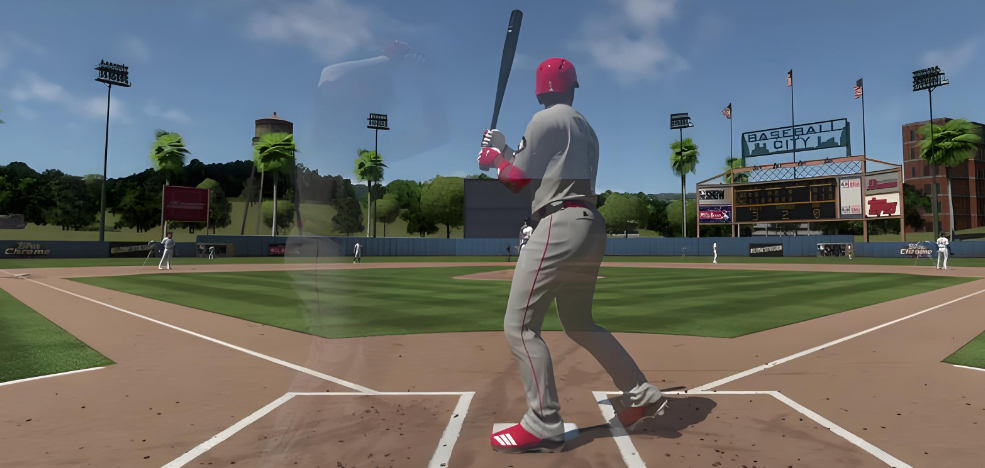
4. Bench construction: the best bench is about roles, not names
A smart bench should include three types of cards:
One of your best left-handed bats
One of your best right-handed bats
A switch-hitter who can play multiple positions
That last type is huge. A good utility bench card should be able to:
pinch run with elite speed
cover multiple outfield spots
fill in at second base or shortstop
save you when a starter is struggling
The source also shows the importance of matchup-based substitutions:
If Lindor struggles against righties, bring in a better platoon bat
If Freeman gets a bad lefty-lefty matchup, replace him with a stronger option
If a replacement has to enter the field, make sure he can actually play there
This is the difference between a "stacked" roster and a roster that is truly smart.
5. Rotation: you need strikeout power and one true monster
The stronger rotation used here includes:
Nolan Ryan
Andre Santori
Felix Hernández
Michael King
Jacob Misarowski
The biggest standout is Jacob Misarowski. The source treats him like one of the most dominant pitchers in the game, even more impressive than some top-name cards. The takeaway is simple: if a pitcher dominates in practice, keep him.
Your rotation should include:
a power fastball arm
a command or movement pitcher
one or two pitchers you trust in high-pressure games
6. Bullpen: keep it balanced and reliable
The bullpen names mentioned include:
Broxen Rogers
Felix
Aaron
Matt Strahm
Kenley Jansen
Adrian Morejon
Raleigh Fingers
The goal is to have:
a true closer
left-right balance
arms that can stop momentum immediately
A bullpen should be built to solve specific situations, not just hold flashy names.
7. The NMS-friendly squad still has real power
For players without every elite card, the source shows a more practical squad built around cards like:
Yordan Alvarez
Will Smith
Ian Happ
Willie McGee
Tatis
Jackie Robinson
James Wood
Yandy Díaz
This version proves that you do not need a full-wallet lineup to compete. What matters is:
good hitters who work in real games
useful defenders
speed on the bases
a bench that can adapt
8. Final squad-building philosophy
If you want your own God Squad, follow this checklist:
Outfield: at least one or two fast defenders
Middle infield: balanced offense and defense
Corners: offense first, but don't completely ignore glove work
Catcher: use real bats, not dead spots
Bench: build for roles, matchup swaps, and pinch running
Rotation: include at least one dominant ace
Bullpen: mix lefties, righties, and a reliable closer
The biggest lesson from the source is that the best team is not always the most expensive one. It is the one that can score, defend, and adapt every inning, and players often choose to buy MLB The Show 26 Stubs when building that kind of balanced roster.