








A Dreadful Beauty from the Deep
In the world of Skull and Bones, cosmetics Skull and Bones Items are more than simple visual flair they are statements of identity on the high seas. Among the more unsettling designs to surface is the Putrefied Lestari Skin, a haunting reinterpretation of maritime elegance corrupted by decay and unknown oceanic forces.
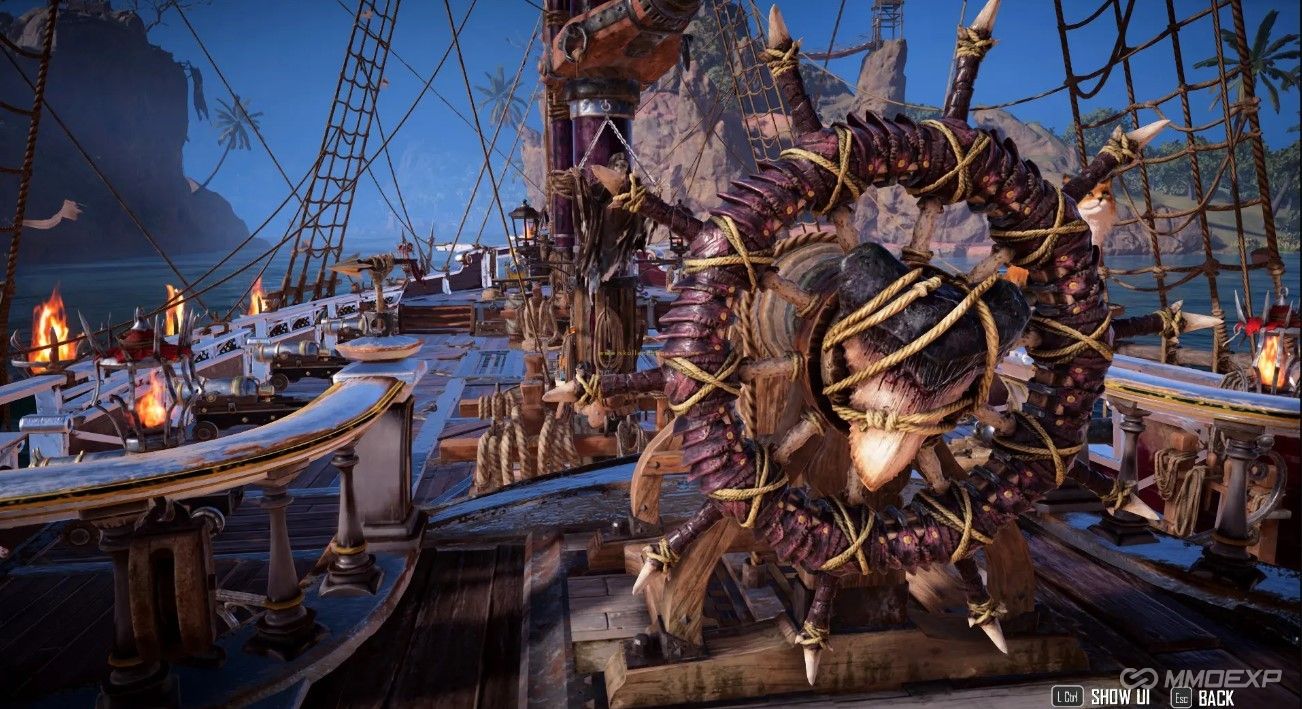
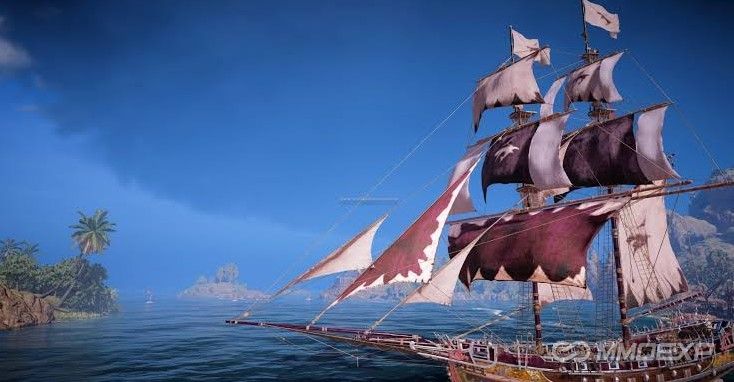
At first glance, the skin appears almost alive, as if the ship itself has been claimed by something far older than piracy. Its hull carries the impression of organic rot fused with barnacle-like growths, suggesting long exposure to cursed waters. Unlike polished naval aesthetics or clean pirate silhouettes, this design leans heavily into horror-infused maritime fantasy, where beauty and decay coexist in uncomfortable harmony.
The Lestari name, often associated with endurance and legacy, is twisted here into something ironic. Rather than symbolizing survival through strength, the Putrefied Lestari feels like survival after corruption an artifact that should have sunk long ago but continues to drift, sustained by forces no one fully understands.
Corruption Beneath the Waves
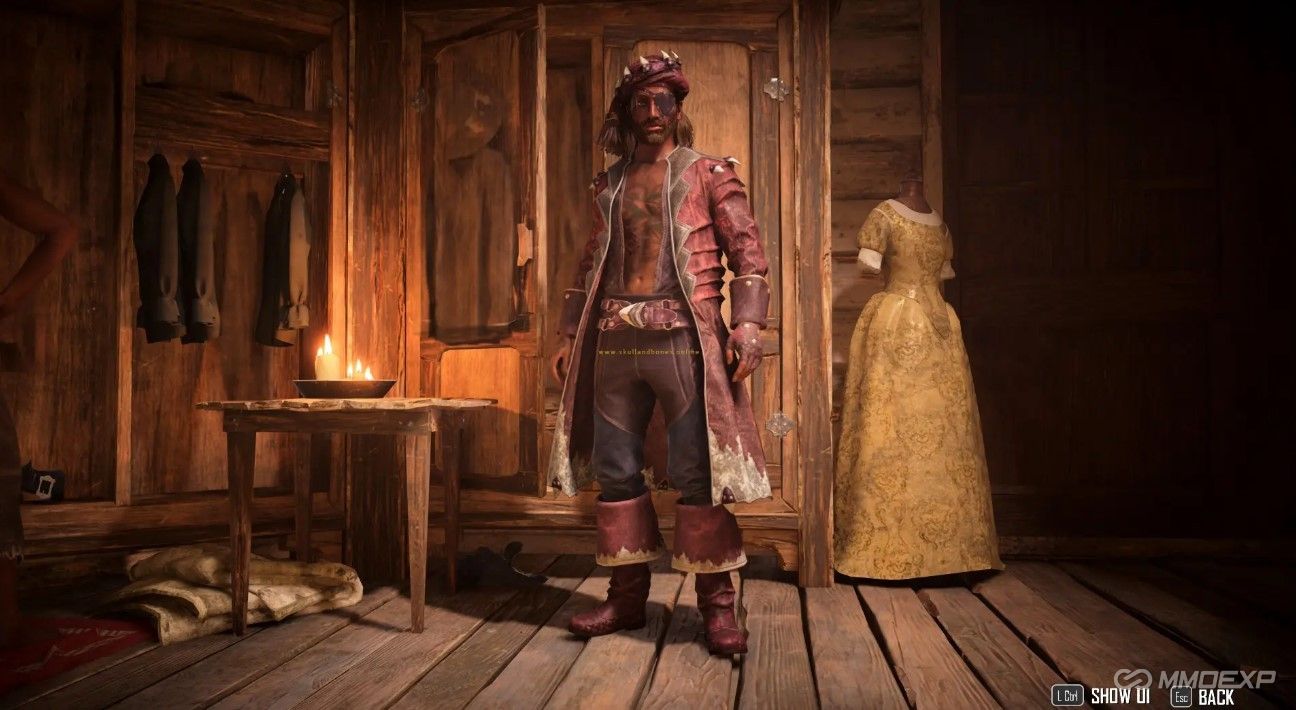
What makes the Putrefied Lestari Skin stand out is not just its appearance, but the narrative it implies. The design suggests a ship altered by prolonged exposure to unnatural maritime phenomena possibly deep-sea plagues, cursed wreckfields, or experimental alchemical warfare gone wrong.
The textures are layered with intentional unease. Darkened wood appears waterlogged beyond recognition, while segments of the hull look as though they have been fused with marine growths that blur the line between ship and organism. This creates the impression that the vessel is no longer entirely inanimate. Instead, it feels like something that breathes slowly beneath the waves, waiting for movement before it reveals itself.
Subtle visual details reinforce this theme. Faint bioluminescent streaks pulse along fractured planks, hinting at energy trapped beneath the decay. Torn sails resemble aged membranes rather than fabric, further contributing to the illusion of a living, corrupted entity rather than a traditional ship skin.
Rather than presenting corruption as simple damage, the design elevates it into transformation. The ship is not merely broken it has been rewritten by the sea itself.
Psychological Warfare on the Open Sea
Cosmetic skins in Skull and Bones often serve an unspoken strategic role: intimidation. The Putrefied Lestari Skin excels in this regard by creating an immediate emotional reaction long before combat begins.
Enemy players encountering this ship are likely to hesitate, even momentarily, as its unsettling design breaks from conventional expectations. Most naval cosmetics suggest power, wealth, or faction allegiance. This one suggests unpredictability and decay qualities that are far harder to read or counter in battle.
In multiplayer encounters, perception matters almost as much as raw statistics. A ship that looks unstable or corrupted can create doubt in opponents, especially during uncertain engagements. That psychological edge can influence decision-making, leading enemies to disengage, reposition poorly, or underestimate the threat level until it is too late.
Even outside of PvP, the skin alters how players perceive their own vessel. Steering a ship that looks partially consumed by the sea itself changes the tone of exploration. It transforms routine voyages into something more atmospheric, as if every wave carries the risk of further corruption spreading across the hull.
Style, Identity, and Endgame Expression
As players progress through Skull and Bones, customization becomes less about simple aesthetics and more about identity expression. The Putrefied Lestari Skin sits firmly in the category of endgame prestige cosmetics those that signal not only progression but also a willingness to embrace unconventional design themes.
It pairs particularly well with darker loadouts, stealth-oriented builds, or fear-based intimidation strategies. Ships outfitted with this skin often lean into ambush tactics or disruptive combat styles, reinforcing the idea that the vessel is something unnatural lurking just beneath visibility.
There is also a collector's appeal. Skins like this are not just visual upgrades; they function as trophies of participation in specific events, challenges, or limited-time content cycles. Owning and displaying the Putrefied Lestari becomes a way of signaling long-term engagement with the game's evolving ecosystem.
In broader design terms, it represents a shift in how ship cosmetics are conceptualized. Rather than focusing purely on historical authenticity or heroic fantasy, it embraces maritime horror as a legitimate aesthetic direction. This opens the door for future designs that may push even further into supernatural or biomechanical territory.
Conclusion
The Putrefied Lestari Skin is more than a cosmetic layer it is an atmosphere generator. It reshapes how the ship is perceived by allies, enemies, and even the player controlling it. It turns the sea into something less like a battlefield and more like a haunted expanse where even steel and timber are not immune to decay. To complement this haunting transformation, players can find cheap Skull and Bones Items at MMOEXP and be sure to apply the 5% discount code "book" at checkout to save on your upgrades.