






Aion 2 features a massive, vertically designed world where flying encourages exploration beyond the main quest path. Hidden cubes, gathering nodes, and elevated areas create opportunities for discovery, but auto-pathing and occasional world emptiness risk turning the environment into mere scenery. Ultimately, the game's success depends on whether flying consistently makes curiosity and exploration feel rewarding.
Understanding Aion 2's Massive Open World
Since Aion 2 is already available in Korea and Taiwan, players have moved beyond speculation and started experiencing its enormous world firsthand. The game's official claim of being 36.36 times larger than the original Aion immediately grabs attention, but size alone does not guarantee an engaging MMORPG. As players explore its vast regions, gather resources, and progress through the game, some may also look to buy Aion 2 Kinah to accelerate their advancement and make the most of the world's many activities.
The real question is simple: does this giant world encourage exploration, or does it merely increase travel time between objectives?
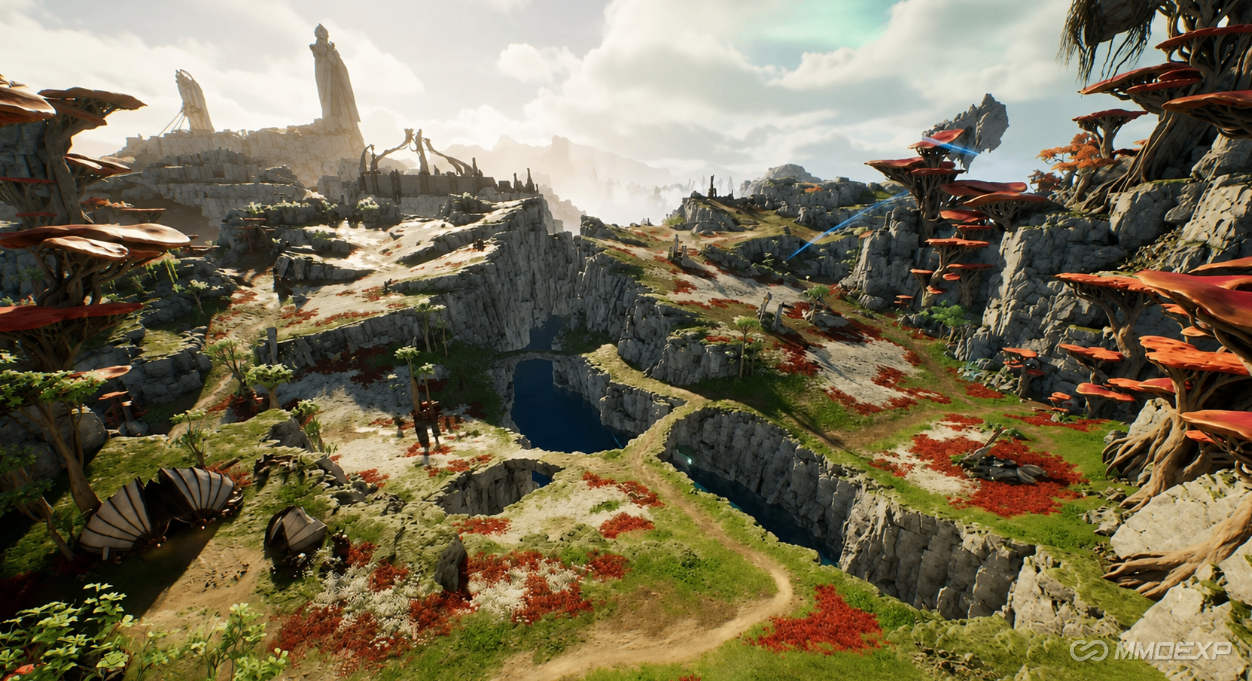
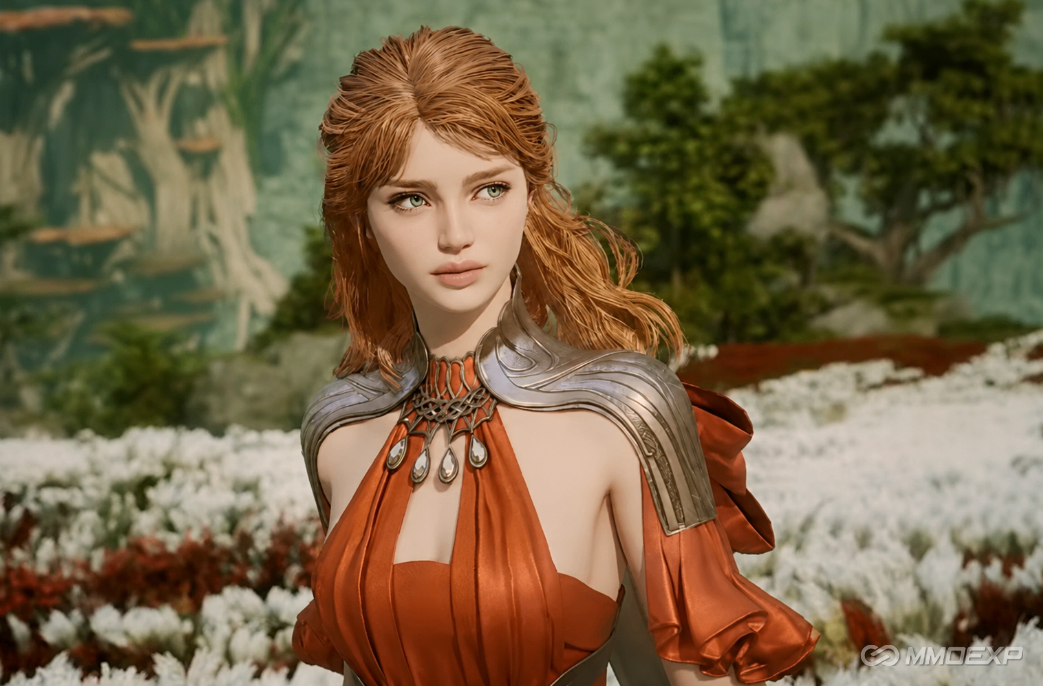
When players first enter Aion 2, the scale becomes immediately apparent. The environments are visually impressive, filled with towering cliffs, elevated platforms, open landscapes, flying routes, gathering nodes, teleport locations, and Abyss zones. More importantly, the game constantly encourages players to look upward.
Unlike many MMORPGs that keep players running across mostly flat terrain, Aion 2 builds its world vertically. A mountain is not simply scenery. A platform above the road is not just decoration. Every elevated area naturally creates curiosity.
Why Flying Makes Exploration Interesting
The greatest strength of flying is not speed. It is curiosity.
The best moments happen when players spot something unusual in the distance and decide to investigate. Perhaps there is a strange platform above a road, a hidden corner behind a cliff, or a floating structure that appears accessible.
Flying transforms these moments into choices.
Instead of following the main road, players can open their wings and explore. This freedom fundamentally changes how players interact with the environment.
Aion 2 supports this type of exploration with several systems:
· Hidden cubes scattered throughout the world
· Gathering nodes containing valuable materials
· Teleport locations
· Abyss zones and alternative routes
· Elevated areas that can only be reached through flight
Players have already created maps and guides for finding hidden cubes because many rewards exist away from the main quest path. Some players rush past these opportunities while following quest markers, while others stop and investigate their surroundings, discovering valuable resources.
These systems may seem small individually, but together they give the world a reason to exist beyond quest objectives.
The Danger of Auto-Pathing
Despite its impressive world design, Aion 2 also presents a potential problem.
The game includes auto-pathing.
Auto-pathing is not automatically bad. Large MMORPGs often benefit from allowing players to travel conveniently between locations. Sometimes players simply want to reach an NPC without manually crossing huge distances.
However, auto-pathing becomes risky when exploration is supposed to be the game's defining feature.
If the gameplay loop turns into:
Accept quest → Auto-run → Talk to NPC → Kill enemies → Collect reward → Repeat
Then the massive world becomes little more than beautiful decoration.
This tension sits at the heart of Aion 2's design philosophy. The game offers vertical freedom, but guided systems constantly pull players back toward the main quest line.
Why World Density Matters More Than Size
Some players with more than one hundred hours of gameplay have explored extensively, discovered numerous hidden locations, and still felt the world was occasionally empty.
This feedback highlights an important lesson in MMORPG design.
The issue is not map size.
The issue is density.
A successful open world needs meaningful encounters distributed throughout the environment. Players should occasionally find rewards, discover interesting routes, stumble into dangerous areas, or experience unexpected PvP encounters.
Not every exploration attempt needs a reward. In fact, constant rewards would make the experience feel artificial. However, players must discover enough meaningful moments that they stop blindly trusting auto-pathing and begin exploring naturally.
The world needs rhythm.
Sometimes players should follow quests. Sometimes they should investigate something strange. Sometimes they should find rewards. Sometimes they should discover nothing at all but still enjoy the journey.
Those unexpected moments often become the most memorable experiences in MMORPGs.
Why Flying Could Make Aion 2 Different
Flying changes how players read and understand space.
A cliff is no longer just a wall. A mountain can become a shortcut. A platform above the road may hide valuable resources. Even combat situations become more dynamic because threats can come from above as well as directly ahead.
This additional layer of decision-making is where Aion 2 has tremendous potential.
Players constantly ask themselves questions:
Should I follow the road or fly over it?
Can I reach that platform?
Is something hidden there?
Can I escape if another player attacks me?
When wings create these decisions, flying becomes far more than a movement mechanic. It becomes a core part of exploration and world interaction.
Ultimately, Aion 2's enormous world has all the ingredients necessary for meaningful adventure. The environments are beautiful, flying feels satisfying, and vertical exploration offers possibilities rarely seen in modern MMORPGs. As players seek better gear and faster progression while exploring these expansive regions, some may also search for cheap Aion 2 Kinah to support their journey. The game's long-term success, however, will depend on one thing: giving players enough reasons to leave the quest path and satisfy their curiosity.